
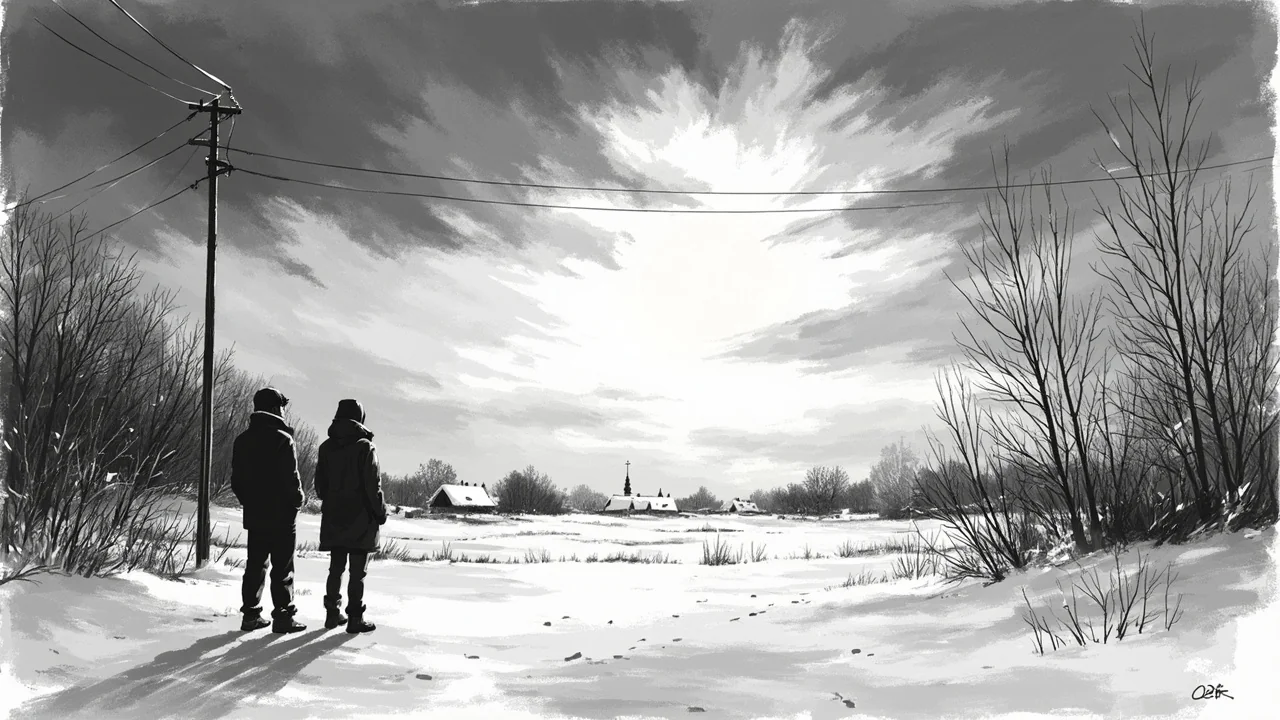
Denmark's weather shifts from a bright start to a cold, snowy end this week, according to the latest forecast. The week begins with beautiful January sunshine across most of the country, offering a brief reprieve from typical winter gloom. Anja Bodholdt, the duty meteorologist at the Danish Meteorological Institute (DMI), confirms the pleasant start. 'We are getting off to a really good start in the most beautiful way, with clear weather in most of the country once the sun rises this morning,' Bodholdt said. She noted that only the northern and northwestern parts will experience clouds from the morning hours. Monday's temperatures will hover between freezing and three degrees Celsius, with a light to moderate southeasterly wind. 'It will be a really beautiful day,' Bodholdt stated. This clear and relatively mild pattern offers a final opportunity for outdoor activities before conditions deteriorate, a change that will test daily routines across Danish society.
A Gradual Decline into Clouds
Tuesday's weather follows a similar recipe to Monday, though the clouds present in northern Jutland may drift further south. The gradual increase in cloud cover signals the beginning of the transition. This shift, while predictable for January, marks the end of the sunny interlude and a return to more characteristic Nordic winter weather. The calm before the incoming cold snap allows municipalities and social centers to review their standard protocols for supporting vulnerable residents during periods of severe cold, though the forecast snow amounts remain modest. The consistency between Monday and Tuesday provides a stable, two-day window for people to prepare for the significant drop in temperature that follows.
The Midweek Cold Front Arrives
A definitive change arrives by Wednesday, when colder air begins to move down over Denmark. 'Wednesday, colder air starts to find its way down over Denmark again,' Bodholdt explained. The wind will pick up from the east and northeast, and daytime temperatures will only reach around freezing. There may be a little sun early in the day in the southernmost part of the country. 'But otherwise, it is again clouds we have to get used to,' the meteorologist added. These clouds will be capable of producing light snow flurries, though significant accumulation is not expected. 'So immediately, the sled shouldn't be needed just yet,' Bodholdt noted. This shift underscores how quickly conditions can change, impacting public transport and the daily commutes of workers and students across Copenhagen and other cities.
Biting Cold to End the Week
The cold intensifies for Thursday and Friday as the wind gains further strength. With daytime frost, it will feel bitterly cold. 'With day frost, it is going to feel quite bitingly cold, I would assume,' Bodholdt said. DMI expects that primarily coastal areas could see up to two centimeters of snow by the end of the week, while other places will only experience minor snow showers. This kind of weather demands greater community awareness, checking on elderly neighbors and ensuring proper heating—a quiet test of the social fabric during the winter months. The biting wind, known to sweep across the country from the east, will make the air feel several degrees colder than the thermometer shows, a key factor for anyone spending time outdoors.
Understanding Denmark's Winter Weather Patterns
This weekly progression from sun to snow is a classic January pattern in Denmark, influenced by competing high and low-pressure systems over Scandinavia and continental Europe. The Danish Meteorological Institute monitors these systems closely, providing updates that help the public and authorities prepare. The initial sunny days are often the result of a transient high-pressure zone, which is then displaced by colder, low-pressure air from the east. This meteorological dance is a routine part of the Nordic winter, though its timing and intensity vary each year. The forecast of light snow, rather than heavy accumulation, is typical for many Danish winters, where coastal influences often moderate snowfall compared to inland areas of Sweden or Norway.
Practical Impacts on Daily Life
Such a weather shift has tangible effects on daily life. Public transportation networks in cities like Copenhagen and Aarhus prepare for potential delays caused by snow flurries and icy roads. Cycling, a cornerstone of Danish transport culture, becomes more challenging and requires extra caution. Energy consumption typically rises as households turn up heating to combat the 'biting cold,' a factor monitored by energy providers. For new residents and immigrants experiencing their first Danish winter, this rapid change serves as a practical lesson in the necessity of layered clothing and reliable winter gear. Community centers and libraries often become valued warm havens during such cold spells.
Looking Beyond the Forecast
While the forecast outlines a clear return to winter, the broader context of a Danish January remains. The short daylight hours are brightened by the stark beauty of frost and occasional snow, which can transform urban and rural landscapes alike. The promise of a sunny start to the week provides a psychological boost before the grey skies return. As Anja Bodholdt from DMI outlined, the pattern is set: beauty, then clouds, then cold. It is a sequence Danmarks knows well, a rhythm of winter that demands adaptation and resilience from every part of its society. The week ends not with a major storm, but with a persistent, frosty grip that is, in many ways, the true hallmark of a Scandinavian January.