
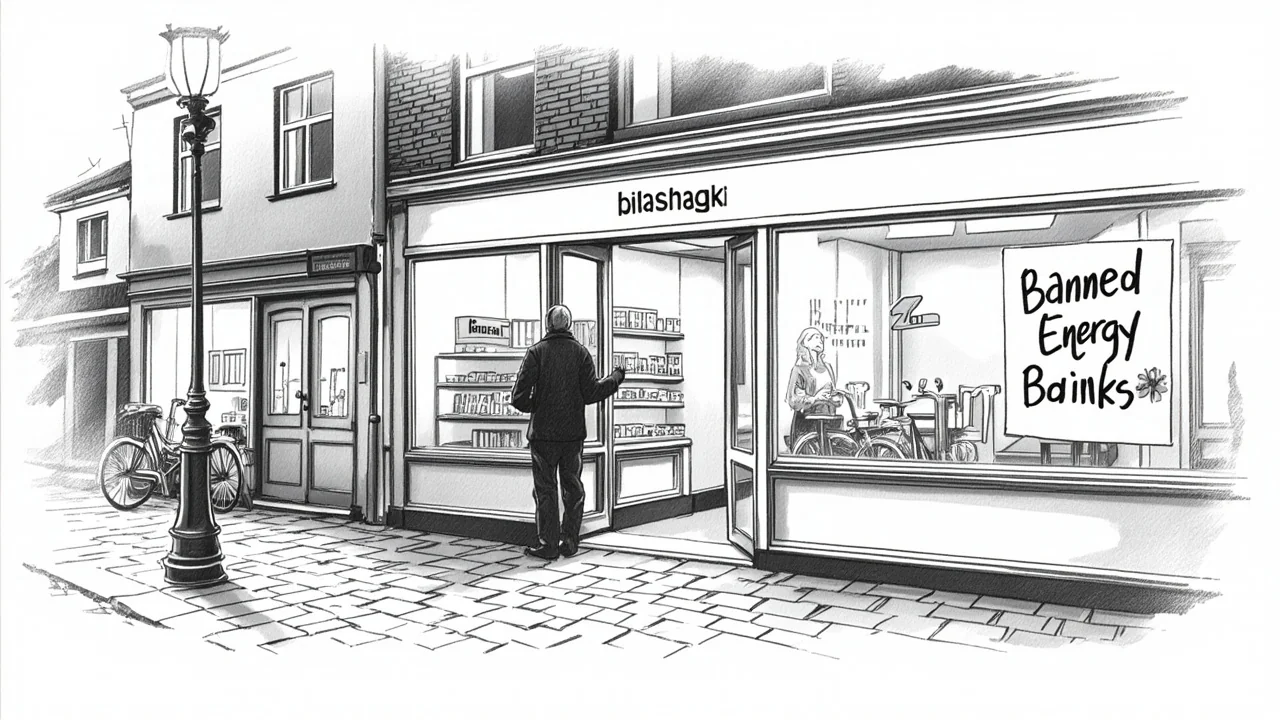
Denmark's local grocery stores are confronting youth health concerns directly, as one rural supermarket takes a voluntary stand against selling energy drinks to children. Brugsen in Gl. Rye has implemented a 16-year age limit for purchases, a move driven by staff unease over serving increasingly younger customers. This decision highlights a growing national debate about parental responsibility, retailer ethics, and the absence of formal legislation in a country known for its proactive welfare policies.
A Sparkling Aisle of Temptation
The vivid rows of energy drink cans in Danish supermarkets are hard to miss, acting as neon-bright temptations for young shoppers. Brands like Red Bull, Monster, and Faxe Kondi Booster have become part of a daily ritual for many youths. In Brugsen Gl. Rye, staff noticed a clear and troubling trend of very young children coming in to buy these caffeine-loaded drinks. "We all know that when you're a child or young person and you see something that looks exciting or see certain TikTok trends, you get inspired and tempted to do it," said Cisse Vollund Kammersgaard, the store's assistant manager. "We are increasingly experiencing that energy drinks are popular with the children and young people who come to us. It's just not great."
The Episode That Forced a Decision
The policy change sprang from a specific incident that left a young employee deeply uncomfortable. A pair of children around ten years old entered the store wanting to buy energy drinks. The young worker came to his manager asking what to do, feeling instinctively that it was wrong. Kammersgaard explained that technically, he could make the sale as there is no national age limit. She advised him to inform the children about the health consequences and that the drinks are not recommended for kids. The employee's lingering unease, coupled with the frequency of such requests, catalyzed the new store rule. The assistant manager emphasized the need to protect her staff from potential backlash. "If a young person working here sells an energy drink to a ten-year-old, and the parents become unhappy, they might fear it will reflect poorly on them, even though it's ultimately the parents' responsibility," Kammersgaard stated.
A Danish Dilemma: Voluntary Action vs. State Regulation
This local initiative underscores a broader Danish societal tension. While countries like Poland and Estonia have legislated bans, Danish authorities have so far assessed a national prohibition as unnecessary. This places the moral and practical onus on individual retailers and parents. The move by Brugsen Gl. Rye represents a micro-level welfare decision, where a community hub assumes a protective role often associated with the state. It reflects a pragmatic approach to integration and social policy, where local actors fill gaps based on direct observation. The store's action asks a poignant question about where the boundaries of commercial responsibility lie in a society built on trust and a strong social contract.
Expert Perspective on Youth and Stimulants
Nutrition experts and child health advocates have long warned about the effects of high caffeine and sugar intake on developing bodies and minds. For children, the risks associated with energy drinks include sleep disturbances, anxiety, heart palpitations, and impaired concentration. The Danish Veterinary and Food Administration advises against consumption by children and young people, but this remains a recommendation, not a rule. The store's decision aligns with this expert guidance, translating advisory words into concrete action. It creates a tangible barrier where a government leaflet or public service announcement may not reach, demonstrating how local social centers, including village stores, can function as frontline agents for public health.
A Look Ahead: Community Responsibility in Focus
The story from Gl. Rye is more than a simple policy change in a single store. It is a case study in proactive community integration, where social policy is enacted at the most immediate level. It highlights the power and dilemma of local initiative in Denmark's structured society. The coming months will reveal whether this is an isolated act of conscience or the start of a quiet movement across Danish retail. The ultimate measure will be if this local decision sparks a wider conversation about aligning commercial practices with the nation's foundational commitment to protecting its young, a conversation that may eventually bridge the gap to Copenhagen's legislative halls.