
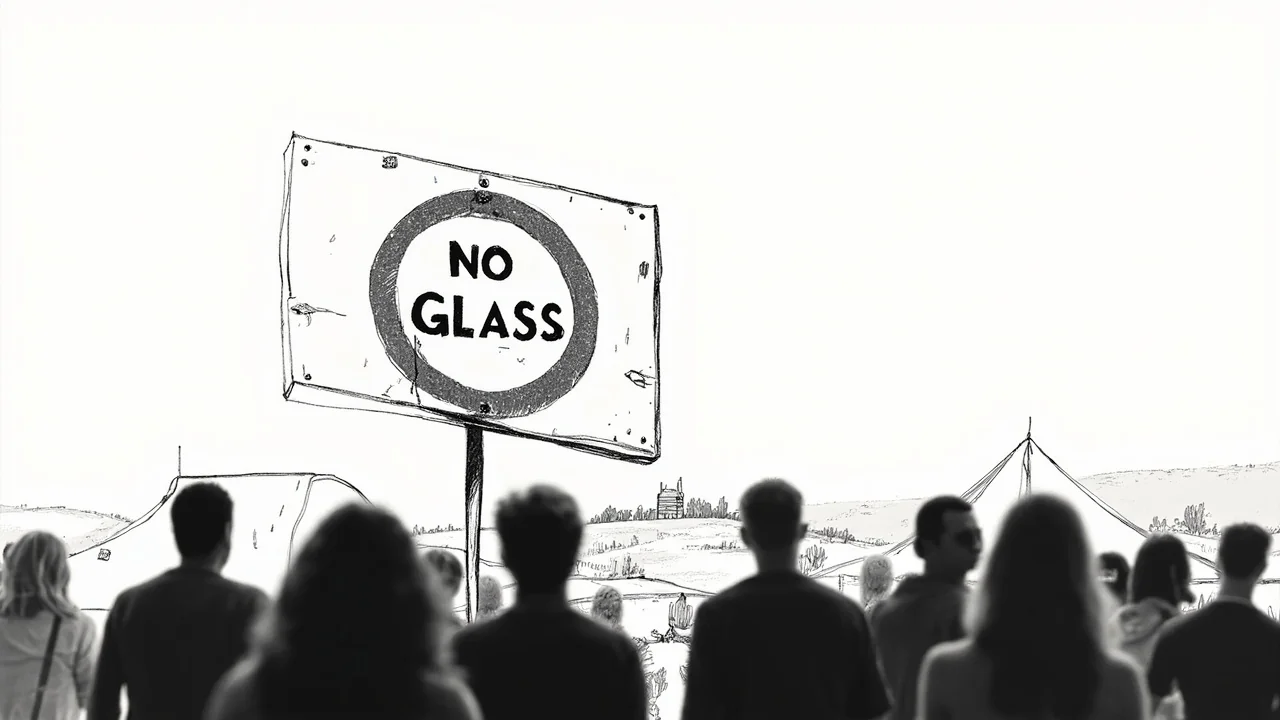
Denmark's Roskilde Festival produced over 1600 tons of waste in 2025, driving a new ban on glass and disposable pavilions for this summer's event. The festival announced the policy change on its website Monday, targeting environmental sustainability and community safety. This move reflects a growing trend in Danish society to address waste management through direct action, impacting thousands of festival-goers who flock to the iconic event. With 25 tons of glass waste alone last year, the festival aims to reduce its ecological footprint while maintaining its vibrant atmosphere.
A Mountain of Waste: The Catalyst for Change
Roskilde Festival's decision stems from stark statistics that highlight a persistent waste problem. In 2025, the festival was left with more than 1600 tons of trash after the festivities ended. A significant portion of this was 25 tons of glass waste, which often shattered and littered the camping grounds. Festival organizers noted that while some waste is correctly recycled, much of it ends up as broken glass on the soil. This not only harms the environment but also poses risks for injuries and requires extensive manual cleanup. The festival must return the grassy fields to owners in the same condition, making waste reduction a logistical and ethical imperative. These numbers underscore the urgency behind the new bans, positioning Roskilde as a leader in sustainable event management within Denmark.
Ending the Era of Disposable Pavilions
The ban specifically targets cheap, white self-assembly pavilions that are often abandoned as waste. Festival organizers describe these as low-quality structures that break down under a week of wind, rain, and intensive use. Many are left behind because they cannot withstand the conditions, contributing to the massive cleanup effort. However, attendees are still allowed to bring durable foldable and sectional pavilions, referred to as 'quality pavilions' that can be taken home. This distinction aims to encourage responsible consumption among festival-goers. By prohibiting disposable options, Roskilde Festival hopes to reduce the volume of non-recyclable waste and promote a culture of reuse. This policy shift aligns with broader Danish social policies that emphasize resource efficiency and community responsibility.
Glass Ban: Safety and Sustainability Priorities
Glass containers are no longer permitted on the camping areas, and the festival will not sell food or drinks in glass packaging there. Organizers explain that glass waste often becomes dangerous shards that require hand-picking before the grounds can be restored. This poses a threat to both attendees and cleanup crews, disrupting the communal experience. The ban extends to all glass packaging, though participants may still bring their own food, alcohol, and other drinks in non-glass containers. This measure is designed to mitigate safety hazards and streamline post-festival operations. It reflects a practical approach to environmental stewardship, balancing enjoyment with ecological care. Danish festivals often set precedents for such policies, influencing national discussions on waste and public safety.
Adapting to New Rules: What Festival-Goers Can Expect
Attendees must now plan their camping setups without glass or flimsy pavilions, opting for durable alternatives instead. The festival emphasizes that this change supports both the environment and the community spirit, as less waste means a cleaner, safer shared space. While the bans may require adjustments, they are framed as necessary steps to preserve the festival's future. Roskilde continues to allow personal alcohol and food, ensuring that traditions like communal gatherings remain intact. This adaptability highlights the festival's commitment to evolving without losing its essence. As Danish society grapples with integration of environmental values into daily life, such events serve as microcosms for broader social change.
Music and Mindfulness: The 2025 Festival Lineup
Amid these policy shifts, Roskilde Festival has partially revealed its music program for this year, featuring acts like The Cure, Gorillaz, and Danish artist Tobias Rahim. These performances will unfold against a backdrop of enhanced sustainability efforts, offering a blend of entertainment and environmental awareness. The lineup suggests that the festival aims to maintain its cultural appeal while advancing green initiatives. This balance is crucial for attracting diverse audiences and fostering a sense of collective responsibility. As one of Denmark's largest cultural events, Roskilde's actions may inspire other festivals to adopt similar measures, reinforcing the country's leadership in social and environmental policy.