
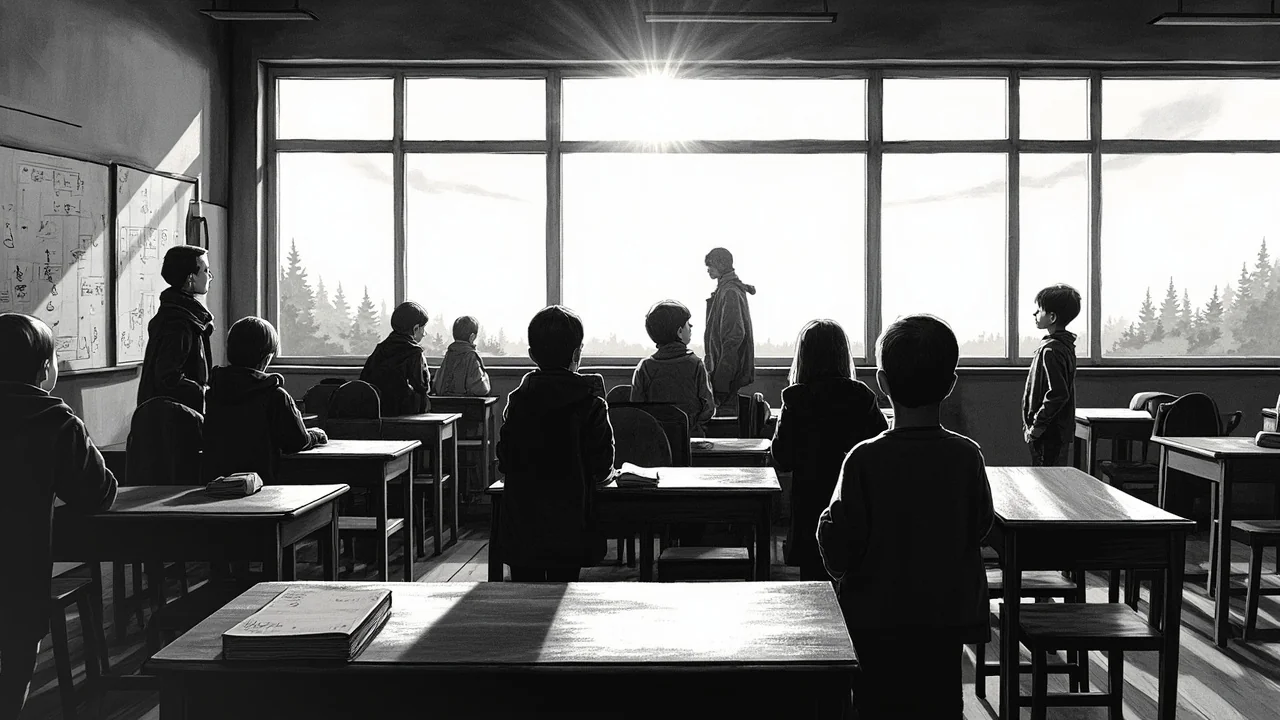
Denmark's Social Democratic Prime Minister Mette Frederiksen has placed a major new policy pledge at the heart of her government's agenda. Her promise to cap class sizes at 14 students for children in grades 0 through 3 directly challenges her coalition partners. This move marks a significant shift in her political strategy and raises immediate questions about financing within the Danish welfare system.
Frederiksen's latest pledge is fundamentally different from her past signature promises. Earlier initiatives like the 2019 'Arne-pension' and the 2022 wage increase were clearly aimed at her traditional left-wing base. They were designed with a sharp political edge against the right. The new small school policy, however, carries a broader appeal. It is a classic social democratic welfare promise meant to resonate with a wide range of Danish families concerned about education quality.
A Core Campaign Pledge
This policy is now positioned as a central promise for the Social Democrats in any upcoming election campaign. The goal is clear: from the next parliamentary term, no more than 14 children should be in a classroom during the crucial early school years. The focus on early childhood education taps directly into longstanding concerns from parents and teachers about large class sizes. Many argue that smaller groups allow for more individualized attention and a stronger start for all children.
The Danish welfare system has long prided itself on high-quality public education. This promise aims to reinforce that foundation. It speaks to a core belief in equal opportunity, starting from a child's first day in school. The policy is also framed as an investment in Denmark's future, aiming to improve early literacy and social development outcomes across the country.
Navigating a Tight Coalition
The immediate political challenge lies within Frederiksen's own government. Her coalition includes the Moderates and the Liberal Alliance, parties traditionally cautious about major new public spending. By championing this expensive reform, Frederiksen is consciously testing the limits of her political alliances. She is forcing a conversation about priorities that may not align with her partners' focus on budgetary restraint.
This internal dynamic is the central drama of the promise. Where will the money come from? The question hangs over every discussion in Copenhagen about integration and social policy. Municipalities, which are responsible for running Danish schools, are already facing tight budgets. They will be looking to the state for clear financial guarantees if this reform is to become a reality. The mayors of major cities and smaller towns alike will need concrete plans, not just political promises.
The Financial Question
The lack of a detailed financing plan is the most critical hurdle. Significant investment would be needed for more classrooms and many more teachers. Analysts point to the need for hundreds of new educators across Danish municipalities. This comes at a time when many sectors are competing for skilled labor. The Danish economy shows strength, but such a substantial commitment requires either new taxes, a reallocation of existing funds, or increased public debt.
Community leaders in education have expressed cautious optimism. They welcome the focus on small class sizes but demand a sustainable plan. A principal from a Copenhagen area school said, "We all want smaller classes for our youngest students. It makes a proven difference. But we have heard promises before. This time, we need to see the funding attached to the political vision." This sentiment echoes in staff rooms and parent meetings nationwide.
A Broader Social Vision
Beyond the classroom, the policy connects to wider debates on social policy and integration. A strong start in school is often seen as vital for children from all backgrounds, including immigrant families. Proponents argue that better early education can support long-term integration outcomes. It can help close achievement gaps before they widen. This angle makes the promise relevant to ongoing national conversations about social cohesion and the role of the state.
The promise also reflects a strategic pivot for Frederiksen. After years of focusing on immigration control and a tough stance on welfare, this is a return to classic Social Democratic territory. It is a positive vision centered on investment in people. The political calculation is clear. It aims to reclaim the party's historical role as the guardian and improver of the public welfare state.
The Road Ahead
The coming months will determine if this pledge becomes law or remains a campaign talking point. The government must negotiate the specifics with its partners and present a credible budget. Finance ministers and local councilors will scrutinize every number. The promise touches a deep chord with the Danish public, who highly value their education system. Yet, they are also pragmatic taxpayers who expect responsible fiscal management.
Frederiksen's small school promise has successfully set the political agenda. It has sparked a necessary debate about the quality of Denmark's foundational education. The ultimate test will be moving from a popular pledge to a funded, operational policy. The answer to the funding question will define not just this initiative, but the stability and direction of the governing coalition itself. Can a traditional welfare state ambition find a home in a modern, fiscally cautious government? Denmark is about to find out.