
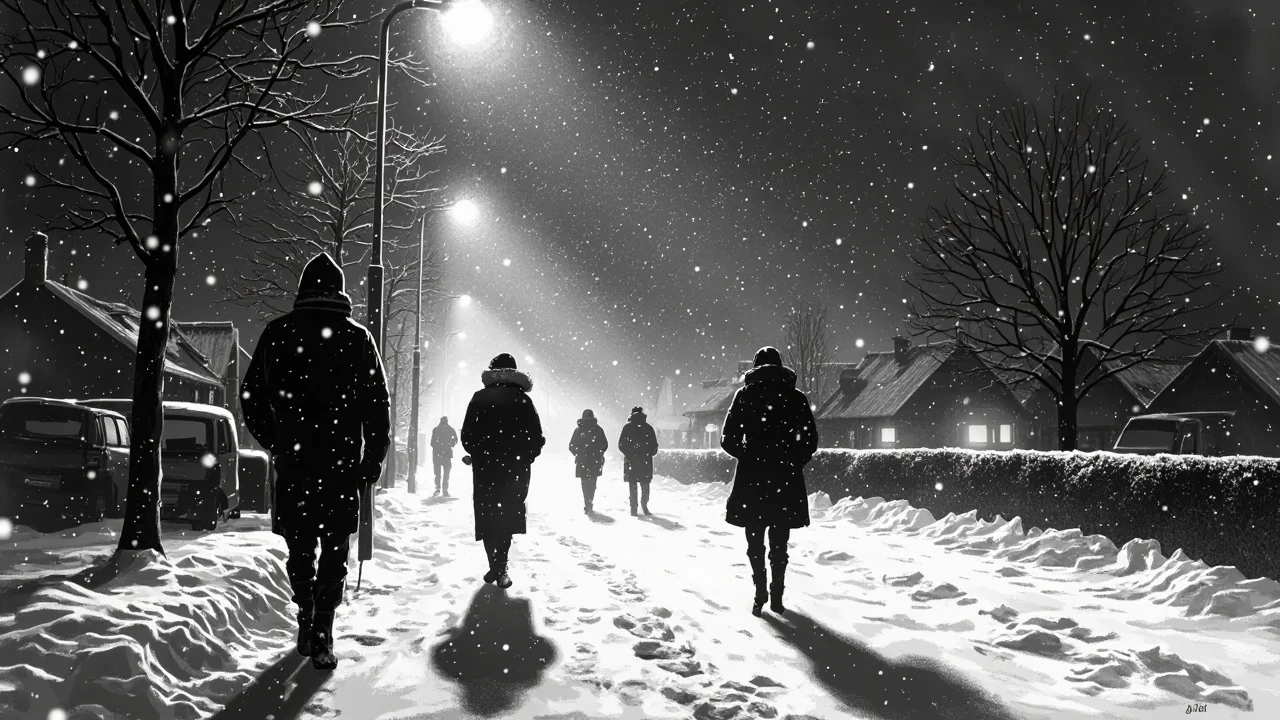
Denmark's Meteorological Institute warns of over 15 centimeters of snow accumulating within six hours across eastern regions tonight. A severe snowstorm is set to blanket much of the country starting Thursday afternoon, with the worst conditions expected over Zealand and the islands. Vagtchef Martin Lindberg from DMI confirmed the snowfall began near the German border and Lolland-Falster by 11 AM Thursday. The system will intensify, bringing heavy snow and storm-force winds to nearly all of Denmark by evening. This weather event poses significant risks to transportation and daily life, prompting urgent advisories from authorities. Lindberg stated the snow will continue broadly until Friday night, with a shift to sleet or rain in the southeast by Friday morning. That change brings a tangible risk of ice formation on roads and pathways, complicating travel further. Danish municipalities and emergency services are on high alert, coordinating responses through social centers and welfare channels to mitigate disruption. The Danish welfare system's crisis management protocols are being activated, focusing on vulnerable populations who may be isolated by the storm. This snowstorm tests the integration of emergency planning with community support networks across Copenhagen and other urban areas. Historical data shows such intense snowfall can strain public services, but Danish social policy emphasizes preparedness through local civic engagement. Residents are advised to avoid unnecessary travel and check on neighbors, especially the elderly or those new to Denmark who may be unfamiliar with harsh winter conditions. Schools and public institutions may close, reflecting the societal priority on safety embedded in Danish culture. The snowstorm's timing during evening hours on Zealand increases risks for commuters and highlights the need for robust infrastructure. Lindberg's forecast underscores the precision of modern meteorology, yet the human impact depends on community resilience and adherence to official guidance. As Denmark braces for this winter onslaught, the event serves as a reminder of nature's power over even the most organized societies. The response will likely involve cross-municipal cooperation, a hallmark of the Danish approach to social welfare and integration during crises. By Friday afternoon, conditions should gradually improve, but the aftermath may require sustained cleanup efforts and support for affected communities. This snowstorm is not just a weather event but a moment where Danish society's strengths in policy and communal care are put to the test.
Severe Snowfall Definitions
DMI defines heavy snowfall as more than 15 centimeters of snow within six hours, a threshold met over Zealand, the islands, Funen, and parts of East Jutland. In northern Jutland, a snowstorm warning is in effect, defined by wind speeds exceeding 10 meters per second combined with 10 to 15 centimeters of snow in six hours. These precise metrics help authorities issue targeted alerts and mobilize resources efficiently. The definitions are rooted in Danish safety standards, ensuring consistent communication across municipalities and social centers.
Timeline and Geographic Impact
The snow began lightly in northern Germany and near Lolland-Falster by 11 AM Thursday. From 12 PM Thursday, heavy snowfall and some snowstorms are forecast for almost the entire country. Martin Lindberg emphasized the worst will occur tonight in central and eastern Zealand, spreading nationwide. The snow continues largely until Friday evening, with temperatures rising in the southeast by Friday morning, leading to sleet or rain. This shift increases the risk of ice, complicating recovery efforts. The broad geographic scope means all Danish regions must prepare, from Copenhagen's dense urban areas to rural Jutland.
Risks and Community Preparations
The immediate risks include transportation halts, power outages, and isolated households. Danish municipalities are activating emergency plans, often coordinated through local social centers that play a key role in integration and support. Community leaders are urging residents to stock supplies and avoid travel, referencing past storms where collaboration prevented worse outcomes. Officials stress checking on vulnerable neighbors, aligning with Denmark's social policy focus on inclusion. Public announcements highlight the welfare system's readiness, but personal responsibility remains crucial for safety.
Historical Context and Policy Reflections
Denmark has faced similar snowstorms in recent decades, with each event refining response strategies. Statistics on integration show that new residents may need additional guidance during such crises, a point addressed by community outreach programs. The Danish welfare system's robustness is evident in its ability to deploy resources quickly, yet challenges persist in ensuring all citizens, regardless of background, are informed and supported. This storm may prompt reviews of communication channels, especially in diverse urban areas like Copenhagen where language barriers exist.