
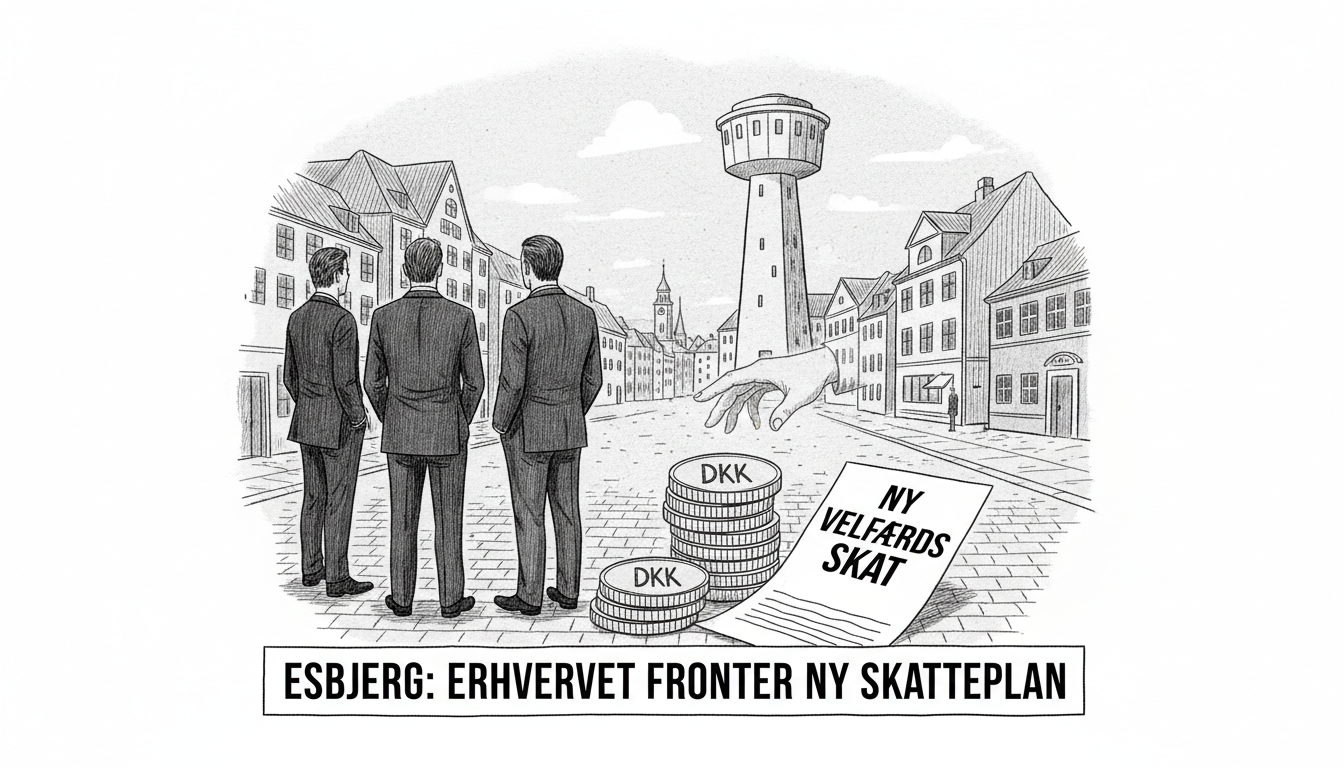
Esbjerg's Social Democratic party wants local businesses to pay more taxes. They propose reintroducing a special business property tax called dækningsafgift. This tax would help fund better schools and daycare facilities in the municipality.
Michael Harbøll, the Social Democratic mayoral candidate, explained the reasoning. He said Esbjerg faces challenges in welfare services and needs additional funding. The tax represents an opportunity to address these shortcomings and improve public services for residents.
But the current mayor Jesper Frost Rasmussen strongly opposes the plan. He argues Esbjerg should remain business-friendly to attract companies and jobs. Adding extra burdens on businesses could damage the local economy and deter investment.
This isn't the first time Esbjerg has considered such a tax. Before municipal mergers in 2007, Esbjerg had a business property tax of 7.2 per thousand property value. The tax disappeared when Esbjerg merged with Bramming and Ribe municipalities.
Reintroducing the tax at previous rates would generate approximately 70 million Danish kroner annually. That's substantial funding for a municipality struggling with welfare budgets. Last year's budget negotiations already saw residents facing higher taxes to maintain services.
The debate reflects a common tension in Danish municipalities between funding welfare and maintaining business competitiveness. Professor Kurt Houlberg, an expert in municipal economics, notes both advantages and risks. The tax provides significant revenue but might push businesses to relocate to tax-friendly neighboring municipalities.
Local business leaders express concern about the proposal. Flemming Horn Nielsen, CEO of ReSource Denmark, called the timing unfortunate for new companies. His plastic sorting facility opened in Esbjerg just eighteen months ago specifically because of the city's business-friendly reputation.
Further south in Ribe, Logitrans CEO Gitte Kirkegaard shares similar concerns. She describes the tax as unfair because companies pay per square meter regardless of profitability. This affects cash flow and could particularly hurt smaller businesses and startups.
Currently, 32 Danish municipalities use this business property tax system. Copenhagen collects 1.25 billion kroner annually through it, while Kerteminde gains just 1.75 million kroner. The wide variation shows how local economic conditions affect tax revenue potential.
The political debate in Esbjerg mirrors broader discussions across Denmark about municipal funding. As welfare demands grow, municipalities face difficult choices between raising business taxes, increasing resident taxes, or cutting services. The outcome in Esbjerg could influence similar debates in other Danish cities facing budget pressures.
What makes this proposal particularly noteworthy is its timing. Many municipalities have been eliminating business property taxes to stay competitive. Esbjerg's potential move against this trend shows how budget pressures can override competition concerns.
The final decision rests with municipal council members who must balance business interests against welfare needs. Their choice will shape Esbjerg's economic development and service quality for years to come.