
A family in southern Norway is demanding accountability following the death of their 91-year-old mother. The woman died in October, one week after a violent incident at a municipal care home in Arendal. Her children claim the local council failed to provide the safety and healthcare she was entitled to. They argue this tragedy exposes deep flaws in Norway's elder care system.
Police are investigating the incident at the collective housing facility. A male resident in his fifties has been charged with assault. Authorities await an autopsy report to determine if the death is directly linked to the altercation. The family states their mother suffered a brain hemorrhage from the event. Doctors reportedly deemed the injury untreatable.
"What we have experienced should not pass in silence," the woman's four children said in a public statement. They held a press conference at their childhood home to voice their grievances. They specifically accuse Arendal municipality of reducing their mother's care package because family visited frequently. This was allegedly done against both the resident's and the family's wishes.
Linda Iren Mihaila Hansen, one of the daughters, was direct in her criticism. "It is our claim that the municipality did not fulfill its duty to provide our mother with careful and proper healthcare," she said. The family says their mother told them she did not feel safe in the facility in her final weeks.
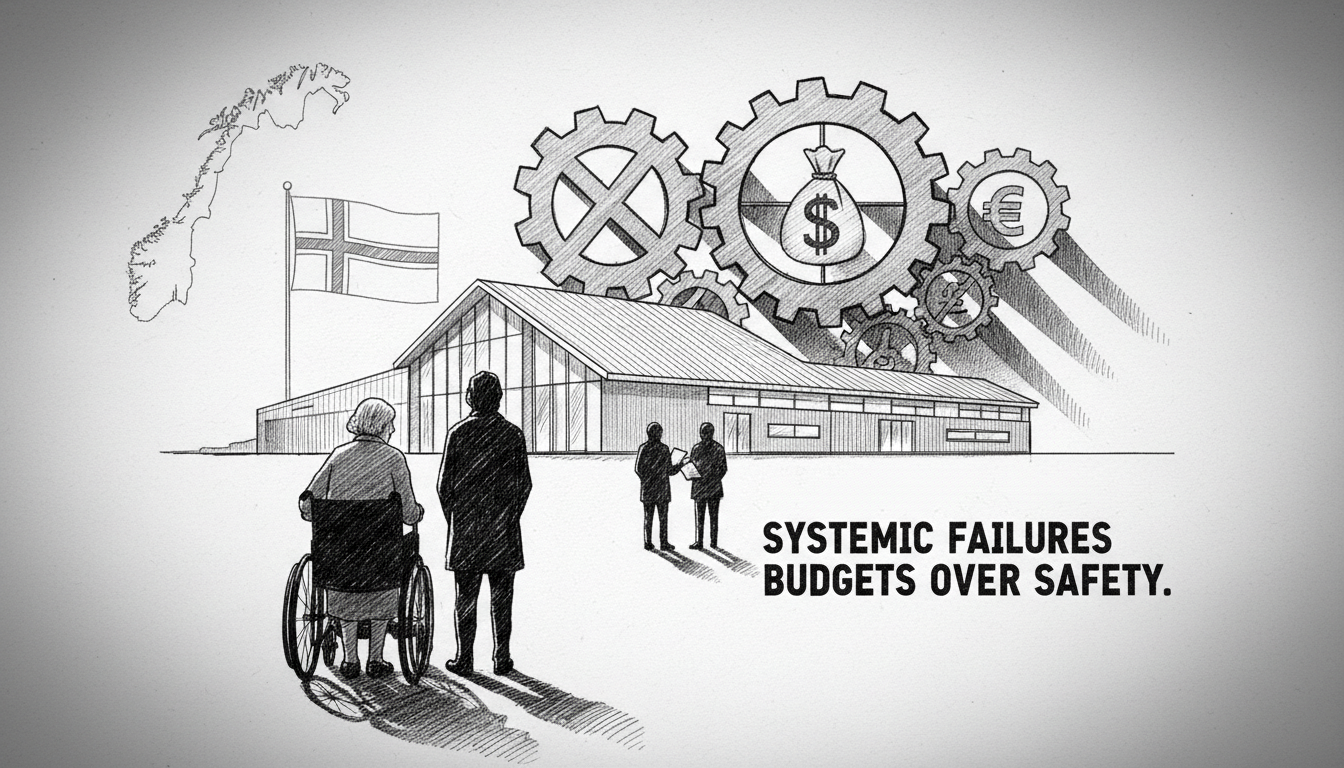
The case highlights a recurring tension in Norway's welfare model. Municipalities manage elder care, but budgets are often tight. The family asserts the local health service is run on a shoestring budget, leading to neglected needs. They have filed formal complaints with the County Governor, the Norwegian Board of Health Supervision, and the Patient Ombudsman.
Arendal's municipal director, Børge Toft, responded to the general criticism. He did not address the specific case. "We believe there are enough staff on duty in relation to staffing plans and the needs we have at any given time," Toft stated. He added, "We believe it is safe to be in our services, even though we have now had a very tragic incident with the worst possible outcome."
The family's lawyer, Ole Devold, commented on the charged resident. "Due to his health challenges, I have not been in contact with him," Devold said. He noted the man has not yet been formally questioned about the assault charge.
This incident raises difficult questions about security in shared care facilities. It also challenges Norway's self-image as a society that perfectly cares for its elderly. The family's public campaign suggests they have lost faith in internal review processes. They seek broader systemic change, not just answers about their mother's death.
Elder care has become a heated political issue across the Nordic region. An aging population strains public resources. Stories like this often lead to calls for increased funding and stricter oversight. The outcome of this police investigation and the subsequent complaints will be watched closely. They could influence policy debates about staffing levels and safety protocols in municipal care homes.
The family's grief is compounded by their fight for answers. "It is an unreal feeling," said Linda Iren Mihaila Hansen. "We told mom that you are safe here. They will take care of you here." Their case is a stark reminder that even in nations with strong social safety nets, vulnerable individuals can fall through the cracks.