
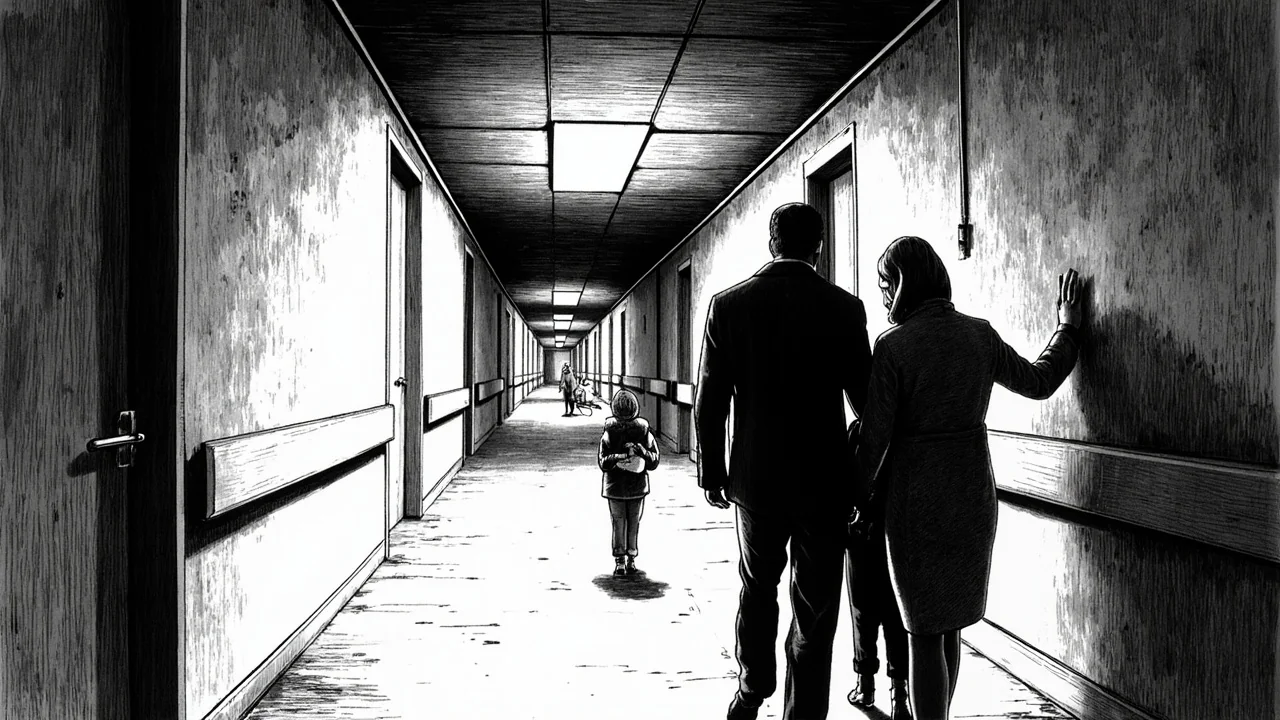
Finland's social welfare and healthcare systems failed a grieving family for nearly two months, leaving a deceased man forgotten in a hospital morgue. Suvi's father died suddenly in 2020 while on vacation with his spouse. Because the death was accidental and the cause unclear, police told the family a forensic autopsy was required. The body was taken to Tampere University Hospital for the procedure. In their shock and without prior experience arranging a funeral, the family waited for an official notification that authorities had completed their work. They relied on police instructions to take no immediate action. Weeks passed with no contact from the hospital, leaving the grieving relatives in a state of suspended anguish. They now know they should have contacted a funeral home immediately, as those services typically handle communication with hospitals, but they were following the guidance given to them at their most vulnerable moment.
A Growing Dread and a Devastating Discovery
After weeks of waiting, the concerned family finally called a funeral home themselves, desperate for information. The funeral home then contacted the hospital. Officials there reported the deceased had been ready for collection for a long time. That critical information had never reached the next of kin, who were patiently awaiting a sign to proceed. The family was left reeling by the institutional silence. "We wondered tremendously how it is possible that a body can be there for a couple of months without anyone caring, even if no one asks after him," Suvi said. The funeral home retrieved the body from the hospital, but the ordeal was far from over. Due to the extended time in the morgue, the body's condition had deteriorated severely.
A Final Farewell Denied
The advanced state of decomposition meant a swift burial was necessary. The family was deprived of any chance to see their loved one a final time or to hold a traditional funeral service. The man was buried on an accelerated schedule without his close family present. Only a priest and a sexton attended the graveside. "Father was taken directly from the hospital to the grave because his condition was already so poor that the burial could not wait another day," Suvi explained. This denial of a dignified farewell compounded the family's trauma, turning their grief into a profound sense of injustice and institutional neglect. The normal rituals of mourning and closure were stripped away by a bureaucratic failure.
Seeking Answers and Accountability
In the aftermath, Suvi's brother inquired with both the hospital and police, seeking to understand who was responsible for the devastating mix-up. In a message seen by media, he outlined the family's confusion. "I have understood that we could have been in contact with the funeral home and that they would have handled things on our behalf. However, we have not done this, citing the police instructions. Why is this? We have not had to bury our loved ones before, so we relatives do not have knowledge of such things," he wrote. This statement highlights the core problem: citizens in crisis are expected to navigate complex procedures without clear, proactive guidance from the authorities tasked with helping them. The family acted on official advice, which led directly to the two-month limbo.
The Procedures That Broke Down
This case exposes critical gaps in Finland's death notification protocols. Standard procedure indicates that after a sudden death, a forensic autopsy is ordered by police. The body is transferred to a hospital pathology unit. The police are then supposed to inform the next of kin about the autopsy result and subsequently issue a permit for burial. Concurrently, the family is expected to contact a funeral home, which coordinates with the hospital morgue for release of the body. The breakdown in Suvi's father's case appears to have been a catastrophic communication failure between the hospital morgue, which assumed the family knew to collect the body, and the family, who were waiting for an official signal that never came. No system was in place to check on the status or to proactively inform the grieving relatives.
A Call for Systemic Change
This incident forces a difficult question about societal responsibility to the deceased and their families. It challenges the assumption that bereaved individuals can or should navigate administrative hurdles alone while in shock. Experts in patient safety and social services likely see this as a severe systems failure, where the lack of a clear, tracked pathway and a responsible case manager led to an inhumane outcome. While no official statements from the hospital or police have been detailed in the source material, the family's story underscores a need for reviewed protocols. Potential solutions could include a mandatory follow-up system where the institution holding the body must confirm contact with next of kin within a defined period, or assigning a social worker or advisor to guide families through the initial steps after an unexpected death.
The Lasting Impact on a Family
For Suvi's family, the practical resolution brought no peace. The trauma of the two-month wait, coupled with the denied opportunity for a proper farewell, has left deep scars. Their story is not just about a procedural error but about the human cost of impersonal bureaucracy. It reveals how a system designed for efficiency, without sufficient safeguards for the vulnerable, can inflict lasting secondary harm. The question Suvi posed—"how is it possible?"—echoes beyond her personal tragedy, demanding a public examination of how Finland cares for its citizens at life's most difficult juncture. It is a stark reminder that behind every administrative process are people in profound distress, needing clear communication and compassion, not silence.