
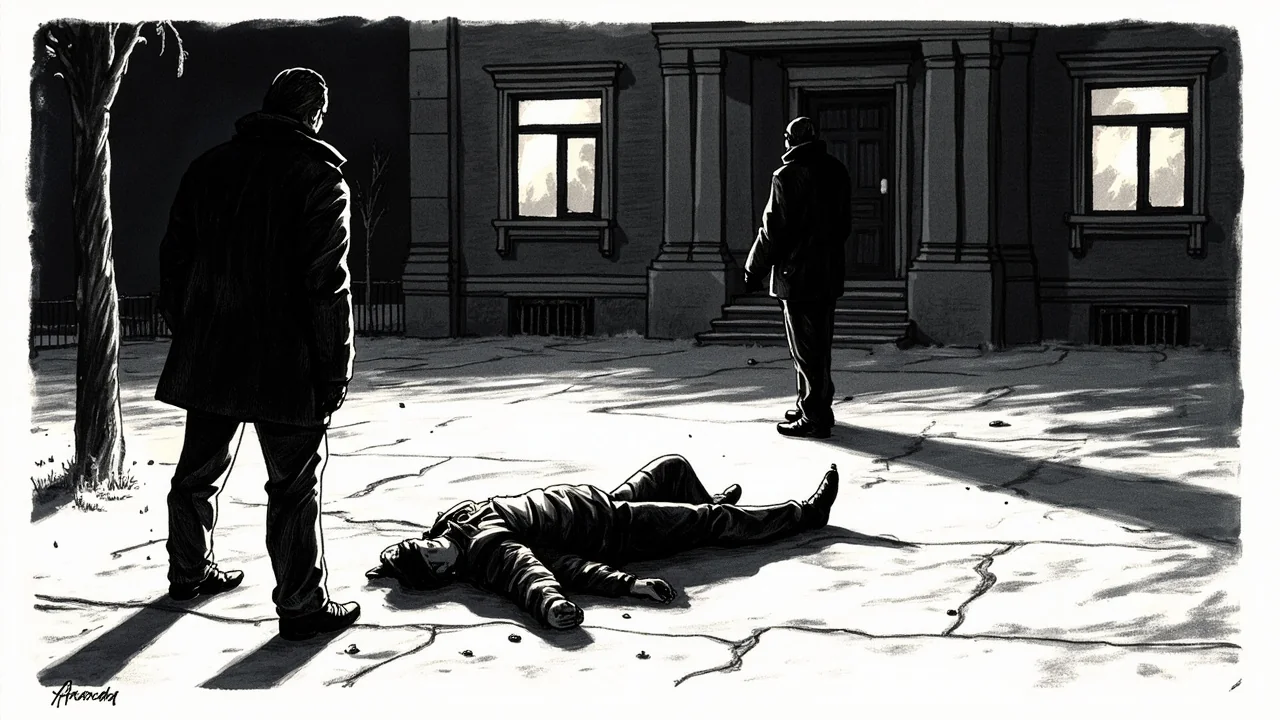
Finland murder investigations reveal a fatal debt dispute left one man dead after prolonged violence in Oulu in October 2025. According to police, the 25-year-old victim died as a result of sustained physical abuse tied to an earlier violent incident and subsequent demands for repayment.
Timeline of Violence Unfolds
The Finnish National Police completed its preliminary investigation into the homicide that occurred in Oulu’s Sairaalanrinne district on or around October 18, 2025. The victim, a local 25-year-old man, was found deceased in an apartment on October 22. Authorities quickly detained four individuals—two men and two women—shortly after the body was discovered. Three of them, all approximately 35 years old, were remanded into custody on strong suspicion of murder. A fourth suspect, a woman around 30, was released and is no longer under suspicion for the killing.
Court records show that earlier in 2025, the Oulu District Court had imposed enhanced travel bans on one of the detained men and one of the women. These restrictions were still in effect at the time of the homicide. One male suspect remains in pretrial detention as the case moves forward.
Debt Collection Turns Deadly
Police confirm that the murder stemmed from efforts to collect a debt linked to a prior act of violence. That earlier incident took place in Mannerheiminpuisto park in Oulu during autumn 2025 and involved both the eventual homicide victim and the now-released 30-year-old woman. Following that event, the woman began demanding money from the victim, escalating her demands with threats.
Investigators allege she attempted to extort payment and incited others to assault the man. She is suspected of attempted extortion and incitement to aggravated assault, though not of direct involvement in the fatal attack.
On October 17, the victim was lured to the apartment of the woman under enhanced travel restrictions. Present in the residence were three other individuals, including the man who remains in custody. There, the group allegedly demanded money from the victim and subjected him to prolonged physical abuse. The violence culminated in his death.
Legal Process Shifts to Prosecution
With the preliminary investigation now concluded, the case has been handed over to the prosecutor for charging decisions. Finnish law requires prosecutors to assess whether sufficient evidence exists to bring formal charges, including possible counts of murder, aggravated assault, extortion, and incitement.
The timeline established by police places the fatal assault over the weekend of October 18, though the body wasn’t discovered until four days later. This delay has raised questions about the circumstances surrounding the discovery and reporting of the death, though authorities have not disclosed further details on that aspect.
Patterns of Coercive Debt Enforcement
While Finnish law strictly prohibits private debt collection through threats or violence, cases involving informal or criminal enforcement occasionally surface, particularly in contexts where prior altercations create cycles of retaliation. The Oulu case illustrates how unresolved conflicts can escalate when financial demands are layered onto existing grievances.
In this instance, the initial park altercation appears to have triggered a chain of events in which monetary compensation was sought outside legal channels. The use of intimidation and physical coercion to enforce such demands ultimately led to a homicide—an outcome Finnish authorities treat with utmost seriousness.
Broader Implications for Community Safety
Oulu, Finland’s northernmost city and a hub for education and technology, has seen periodic spikes in interpersonal violence, though fatal incidents remain relatively rare. The current case has drawn attention to how personal disputes can spiral when mixed with financial pressure and group dynamics.
Authorities have not indicated whether the suspects or the victim had prior criminal records, nor have they confirmed any connection to organized crime. However, the coordinated nature of the alleged assault—occurring in a private residence with multiple participants—suggests a level of premeditation that distinguishes it from spontaneous acts of violence.
The involvement of individuals under court-ordered travel restrictions adds another layer of concern. Enhanced travel bans are typically issued when there is a risk of witness tampering, flight, or continued criminal activity. The fact that one suspect allegedly used his restricted status to facilitate the victim’s presence at the scene may prompt judicial review of how such orders are monitored.
What Comes Next
As prosecutors weigh their options, the families of both the victim and the accused await the next legal steps. Under Finnish criminal procedure, the prosecution must decide within weeks whether to file charges. If indicted, the suspects could face trial in the Oulu District Court, where penalties for murder can include life imprisonment.
Meanwhile, community leaders in Oulu have called for renewed focus on conflict mediation and support services for individuals entangled in cycles of retaliation. While Finland maintains low homicide rates compared to many European countries, each case like this tests the resilience of both legal safeguards and social cohesion.
Will this tragedy spur tighter oversight of court-imposed restrictions—or serve as a grim reminder of how quickly personal debts can turn deadly when settled outside the law?
Candidates in Central Finland.
Read more: Two Named as First parliament
Read more: Finnish Army Launches Major Exercise in Central Finland.