
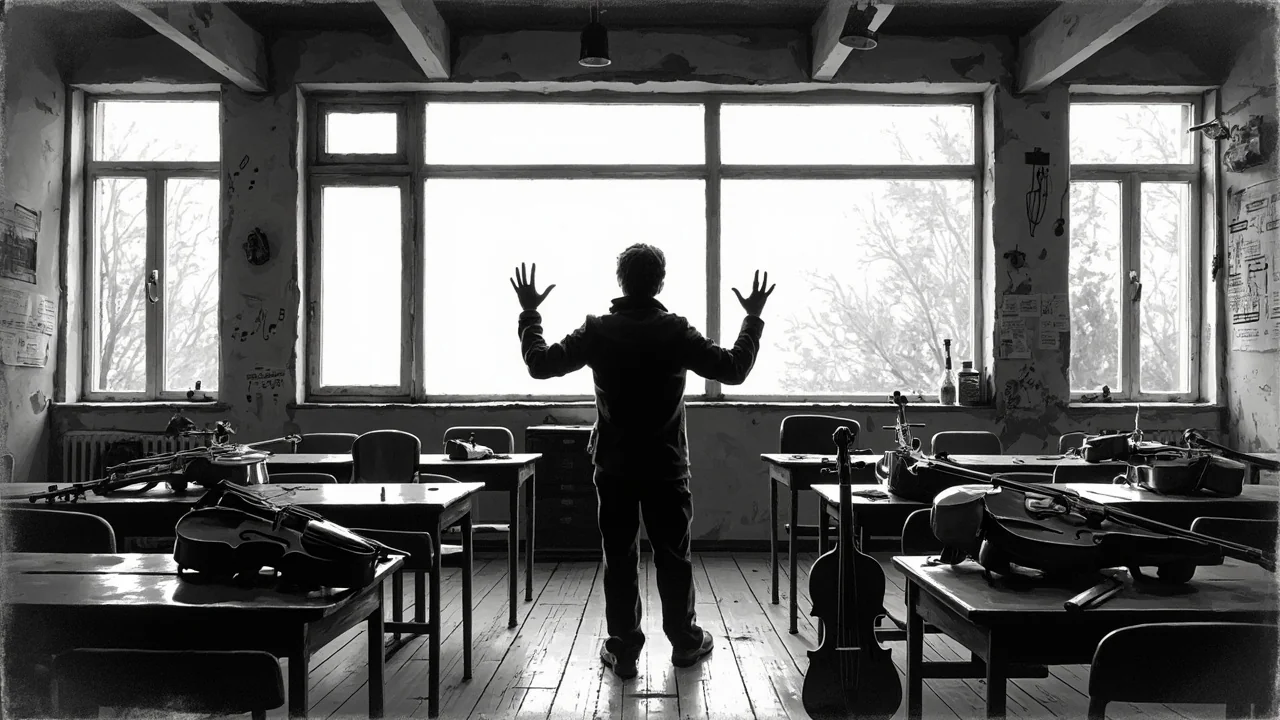
Helsinki's proposed school schedule standardization could halve music class hours for specialized students. The city's plan to unify timetables across its comprehensive schools is directly impacting classes with a weighted curriculum, such as music and art. Education director Satu Järvenkallas confirms the change aims to give all pupils an equal amount of weighted teaching. Teachers fear this means a drastic reduction in specialized instruction.
The Music Class Conundrum
Initial communications suggested no changes for specialized classes. Documents now shown to teachers indicate a different reality. For a sixth-grade music class, weekly hours could drop from four to just two. Those four hours were traditionally divided between music theory, choir, orchestra, and band practice across different schools. A teacher voiced a stark concern, stating that two hours is insufficient even to prepare for a concert. In response, Järvenkallas acknowledged the current variation between schools and stated the goal is now standardization. She emphasized that teachers will plan music instruction based on curriculum objectives.
A Question of Equality or Reduction?
The core outcome is clear. Students in music-focused classes will still study more music than their peers in standard classes. However, they will study less than before. This shift raises a critical question about the future of specialized education in the city. Is this a new method to dilute or wither away weighted instruction? Järvenkallas firmly rejects this notion. 'Painotettu opetus jatkuu. Kaikki oppilaat saavat saman määrän painotettua opetusta,' she stated, which translates to 'Weighted teaching continues. All pupils will get the same amount of weighted teaching.' The policy frames the change as an equity measure, ensuring no student receives less core instruction due to another's specialization.
Foreign Languages in the Balance
The schedule standardization extends beyond the arts. It significantly impacts students' ability to study foreign languages. Under the new framework, a pupil who chooses a voluntary long language, such as French, German, or Spanish, may be blocked from selecting other optional subjects. Educators warn this could lead to a steep decline in the number of Helsinki students pursuing these languages. They argue the structure disincentivizes language acquisition. Confronted with this concern, Järvenkallas framed the voluntary language as one good choice among many. She pointed to broader support systems, mentioning the need to support children and families in this choice, for example, by introducing languages already in early childhood education. 'Helsingissä on paljon mahdollisuuksia opiskella vieraita kieliä,' she added, meaning 'Helsinki has many opportunities to study foreign languages.'
Consultation Before Decision
It is crucial to note that the reform remains a proposal. Helsinki City will hear feedback from parents and teachers before any final decision is made in the spring. This consultation period is the immediate battleground for the policy's future. Teachers' unions and parent associations are now mobilizing to present their case. They argue that the city's international reputation for educational excellence is built on supporting diverse talents and deep expertise, whether in music or languages. The standardization, they contend, risks creating a one-size-fits-all system that could stifle the very strengths Finnish education is known for.
The Broader Implications for Finnish Education
While focused on Helsinki, the debate echoes a larger national conversation about resource allocation and equity in Finland's celebrated school system. The tension between providing a strong, universal baseline education and nurturing specialized talents is not new. However, Helsinki's concrete proposal brings this tension into sharp, administrative focus. The outcome will set a precedent. Other Finnish municipalities observing Helsinki's approach may consider similar streamlining measures, especially in times of budgetary scrutiny. The decision this spring will therefore resonate beyond the city limits, potentially influencing the pedagogical landscape across the country.
What Data and Experience Reveal
The discussion lacks published, city-wide data on the current distribution of weighted teaching hours. This absence makes it difficult to publicly assess the full scale of the proposed redistribution. Teachers provide the most specific figures, citing internal planning documents. Their experience suggests the cuts are not marginal but substantial. Without countervailing data from the city administration, the teachers' firsthand accounts form a critical part of the public understanding. The consultation process must address this information gap, providing transparent figures on current state and proposed outcomes.
The Path Forward for Helsinki
The spring decision will ultimately hinge on how the city evaluates the feedback. Will it adjust the proposal to preserve more hours for specialized tracks? Or will it hold firm on the principle of strict hourly equality across all pupils? Järvenkallas's statements suggest the latter is the guiding principle. The final policy will reveal Helsinki's contemporary priority: Is it uniformity or nurtured excellence? For the student practicing their violin or the one debating between Spanish and an extra science club, the answer holds real weight. Their educational path, and potentially Finland's model, is being recalibrated in real time.