
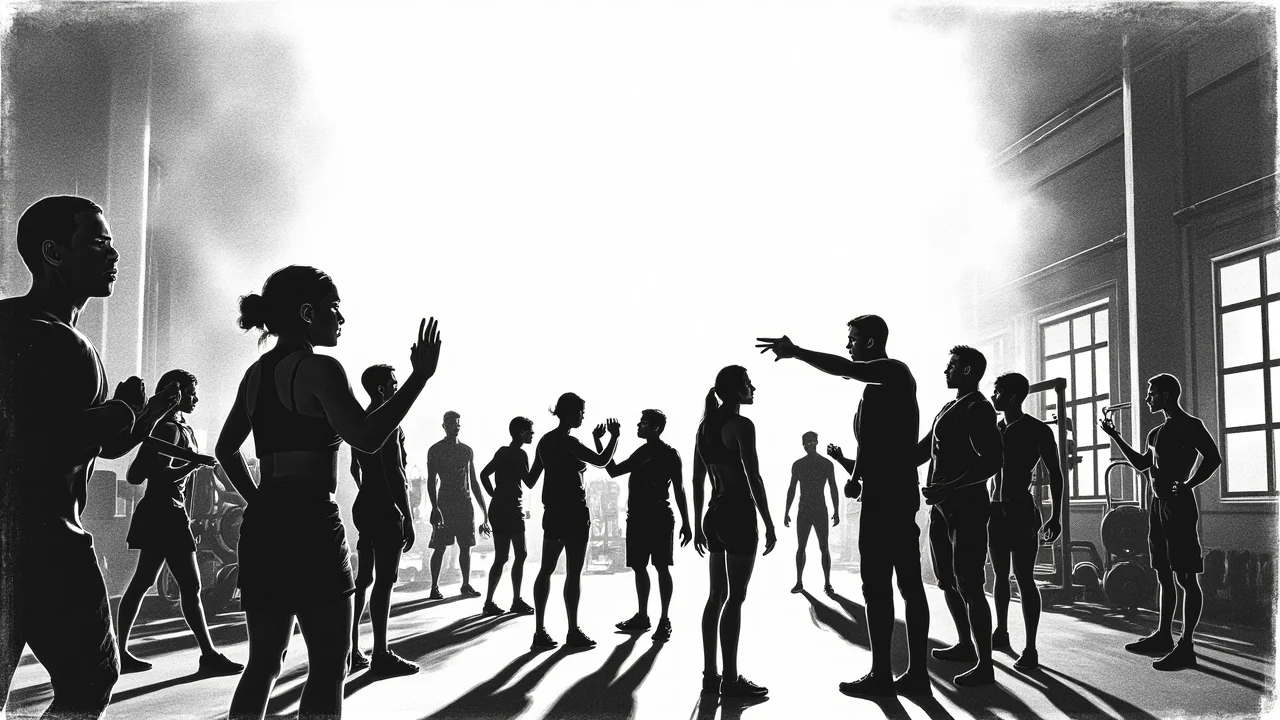
Finland's city of Jyväskylä has implemented updated rules for public sports facilities to combat rising disruptive behavior, effective February 1. Residents like Mika Salonen, a regular gym-goer, have noticed groups loitering without exercising, sometimes refusing to leave. This human impact underscores the city's move to revise age limits and enforce stricter guidelines for its kuntosalit, or gyms, aiming to restore order and safety for all users. The policy shift reflects broader concerns about public space management in Finnish municipalities, where local governments balance access with security.
Revised Age Limits and Key Changes
Jyväskylän kaupunki, or Jyväskylä city, introduced päivitetyt liikuntapalveluiden järjestyssäännöt, meaning updated rules for sports services, starting February 1. These regulations include adjustments to age restrictions for gym access, though specific age thresholds are not detailed in the release. The city's statement emphasizes that the rules are designed to guide customers toward safe use of liikuntapaikkojen, or sports venues. Officials highlight that each facility is intended for proper exercise according to its sport, but misuse has prompted stricter oversight. This approach aligns with Finnish local governance trends, where cities like Jyväskylä proactively address community issues through regulatory frameworks.
Rising Disruptive Behavior in Venues
Häiriökäyttäytyminen, or disruptive behavior, has increased at liikuntapaikoilla, the sports locations, according to city reports. Eeva Simula, the liikuntapalvelujen suunnittelupäällikkö or sports services planning manager, noted that problematic conduct occurs periodically. Simula said in a statement, 'Kyllä sitä valitettavasti jonkin verran ilmenee ja liikuntapaikoille voi tulla esimerkiksi porukoita, jotka eivät tule harrastamaan liikuntaa, mutta eivät suostu poistumaan paikalta.' This translates to, 'Yes, it unfortunately occurs to some extent, and groups can come to sports places, for example, who do not come to exercise but refuse to leave the spot.' Such incidents undermine the intended use of public resources and have led to complaints from other users seeking a conducive environment for physical activity.
Goals of Safety and Equal Access
The primary goal of these updated rules is to ensure turvalliseen liikuntapaikkojen käyttöön, or safe use of sports places, and guarantee yhdenvertaiset mahdollisuudet, meaning equal opportunities, for all. The city's tiedote, or bulletin, states that the purpose is to direct customers to safe usage and confirm that users have equal chances to hobby and move in public sports places without häirintää tai syrjintää, harassment or discrimination. This focus on inclusivity and security is a cornerstone of Finnish public policy, where municipalities often prioritize welfare and accessibility in community services. By setting clear guidelines, Jyväskylä aims to prevent conflicts and promote a welcoming atmosphere for diverse age groups and backgrounds.
Manager Insights on Implementation
Eeva Simula provided further context on the challenges faced by sports facilities. She explained that häiritsevää, ja jopa uhkaavaakin käytöstä, or disturbing, and even threatening behavior, emerges at times, necessitating the rule updates. Simula's comments highlight the practical difficulties in managing public spaces where non-exercise activities disrupt regular operations. The city's response involves not just age limits but broader behavioral standards to mitigate such issues. This managerial perspective sheds light on the administrative efforts required to uphold public order, a common task for Finnish local authorities tasked with maintaining high-quality services amid evolving social dynamics.
Broader Implications for Finnish Public Spaces
While specific to Jyväskylä, this policy change resonates with similar discussions across Finland regarding the management of julkinen tilat, or public spaces. Cities like Helsinki and Tampere have occasionally reviewed regulations for libraries, parks, and sports centers to address anti-social behavior. Jyväskylä's approach underscores a proactive stance in using järjestyssäännöt, or rules of order, to preempt problems rather than react to crises. The emphasis on yhdenvertaisuus, equality, aligns with Finnish values enshrined in national and EU directives promoting non-discrimination and safety in community areas. This local action may inform other municipalities grappling with balancing open access and regulatory control.
User Reactions and Future Adjustments
Initial feedback from gym users in Jyväskylä has been mixed, with some welcoming the changes for enhanced safety, while others express concern over potential restrictions on youth access. The city plans to monitor compliance and evaluate the effectiveness of the new rules in reducing disruptive incidents. Future adjustments may be considered based on user experiences and incident reports. This iterative process reflects typical Finnish governance models, where policies are often refined through community engagement and data assessment. As Jyväskylä moves forward, the success of these measures will depend on consistent enforcement and public cooperation to foster respectful shared spaces.
Concluding Thoughts on Community Governance
Jyväskylä's update to gym rules highlights the ongoing challenge Finnish cities face in maintaining public order while ensuring inclusive access. By addressing häiriökäyttäytyminen through structured regulations, the city aims to protect the integrity of its liikuntapalvelut, or sports services. This case exemplifies how local policy can directly impact daily life, prompting reflection on broader questions about responsibility and behavior in communal settings. As Finland continues to navigate these issues, Jyväskylä's experience may offer lessons for fostering safer, more equitable public environments nationwide.