
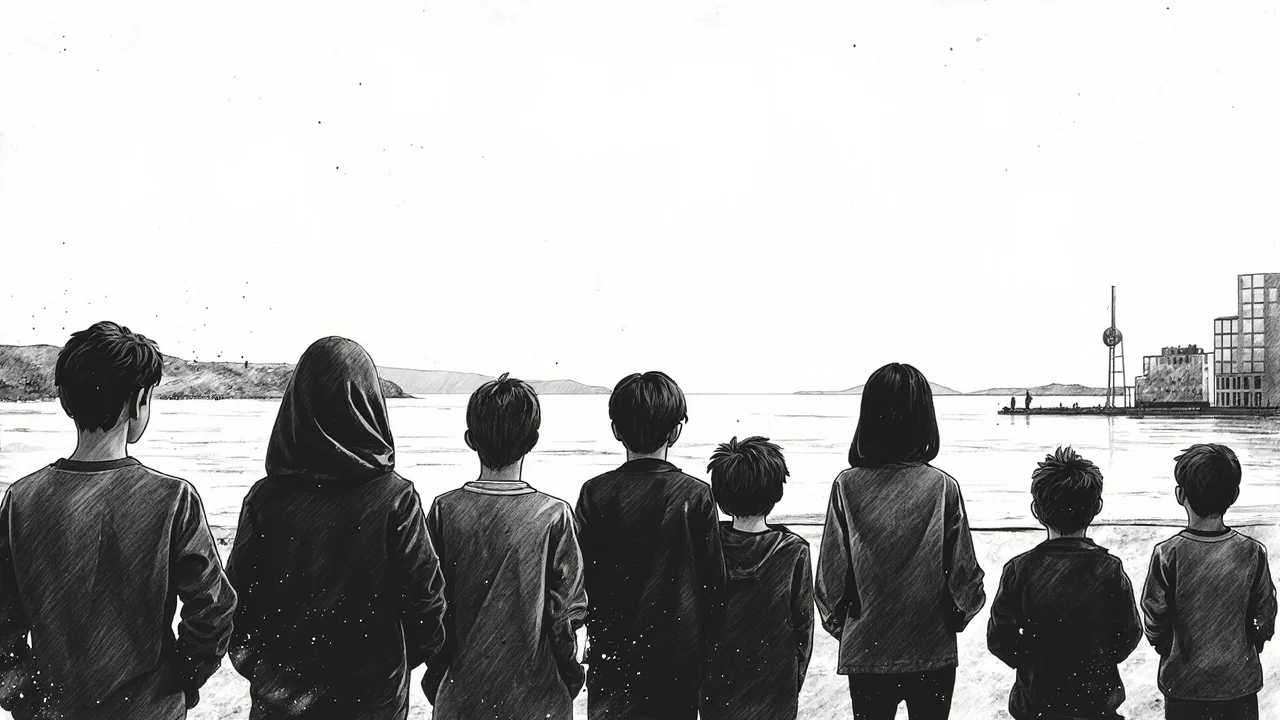
Finland's long-standing reputation for nurturing its young is facing a serious crisis of confidence, as a new poll reveals only one in three citizens feels optimistic about the future of children and young people. The survey, commissioned by the Trade Union of Education (OAJ), indicates a profound societal pessimism, with a mere quarter of respondents expressing trust in the government and parliament's genuine desire to build a better future for the younger generation. The findings land amid ongoing political debates in the Eduskunta over welfare cuts and education funding, casting a shadow over Finland's social model.
OAJ Survey Reveals Deep Distrust
The OAJ's poll results present a stark numerical picture of public sentiment. Only 33 percent of those surveyed reported an optimistic outlook for children and young people. More damning for the current administration led by Prime Minister Petteri Orpo, just 25 percent of respondents said they trust the will of the government and the Eduskunta to construct an improved future for Finland's youth. These figures suggest a significant disconnect between the political agenda being advanced in Helsinki's government district and the concerns of the electorate, particularly on issues central to family and education policy. The OAJ, representing teachers and education professionals, has framed the results as a direct warning to policymakers.
Root Causes in Policy and Wellbeing
Analysts link the gloomy outlook directly to a series of contentious government decisions since the right-leaning coalition took office. Cuts to child benefits, housing allowances for students, and tight constraints on municipal finances have directly impacted services for families. Furthermore, the government's much-debated labor market reforms and efforts to limit political strikes have created a climate of social tension. The OAJ has consistently argued that underinvestment in education and early childhood support directly undermines future prospects. Concurrently, public health officials have highlighted rising mental health challenges among Finnish adolescents, exacerbated by pandemic aftershocks and digital stressors, adding another layer to the public's concern. This combination of economic pressure and declining wellbeing metrics provides the concrete backdrop to the abstract pessimism captured in the poll.
Government Response and Political Reactions
Education Minister Anna-Maja Henriksson of the Swedish People's Party addressed the survey's implications in a statement to the press. 'The government is committed to securing a sustainable foundation for Finland's future, which unquestionably includes our children,' Henriksson stated. She pointed to ongoing efforts to improve educational outcomes and digital skills as evidence of this commitment. However, opposition leaders were quick to condemn the government's approach. Li Andersson, chair of the Left Alliance and former Education Minister, stated the poll confirmed her party's warnings. 'When you systematically cut resources from schools, social security, and youth services, people notice. This pessimism is a direct result of the government's choices,' Andersson said. The debate is set to continue in parliamentary committees, with the Social Democrats and Green League likely to cite the OAJ data in upcoming budget negotiations.
EU Context and Historical Comparison
This domestic unease emerges within a broader European context where many nations grapple with similar concerns about intergenerational fairness and youth disillusionment. While Finland often scores highly in EU-wide assessments of child wellbeing and education, such as the PISA studies, the current data points to a worrying erosion of confidence in those very systems. Historically, Finland's post-war social contract heavily emphasized equal opportunity through a strong, publicly funded education system and comprehensive welfare. The current survey numbers suggest a portion of the populace now questions whether that contract is being upheld. The findings may also influence Finland's positioning in upcoming EU discussions on child rights and the European Child Guarantee, which aims to combat poverty and social exclusion.
A Call for Reflection and Action
The release of this poll acts as a powerful indicator of the national mood, one that political parties across the spectrum will be forced to address. The OAJ has stated its intention to use the results to lobby for a stronger focus on education funding and child-centric policies in the coming parliamentary term. As the debate unfolds, the fundamental question remains: Can Finland's political institutions rebuild the public's belief in a brighter future for its children, or will this pessimism become a permanent feature of the national landscape? The answer will depend heavily on policy decisions made in the Eduskunta in the months ahead, decisions that will define the legacy of the current government and the trajectory of the country itself.