
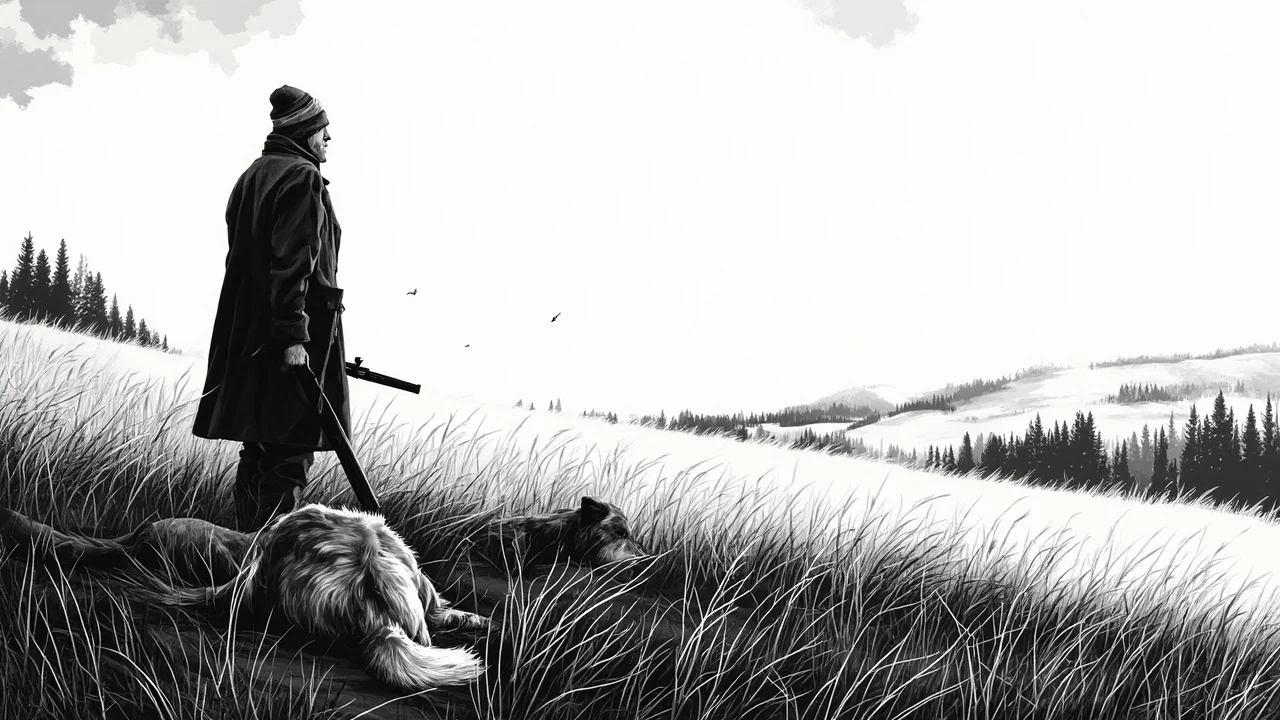
Finland's reindeer herding laws are under scrutiny after a Lapland court imposed a €10,000 penalty on a herder for shooting a dog that had chased his animals. The Kittilä District Court ruled the shooting was unnecessary, handing the man a fine and ordering him to pay substantial damages and legal costs to the dog's owner. The case highlights the tension between protecting livestock and animal welfare under Finland's strict legal framework.
The Incident at the Reindeer Enclosure
The case centred on events in mid-February in Kittilä, Lapland. A nearly two-year-old Finnish Spitz named Vainu escaped from a home kennel with another dog and found its way to a reindeer enclosure. Witnesses reported that Vainu chased the reindeer, causing them to run in a panic. The reindeer herder, informed of the dogs in the enclosure, went to the scene with his rifle. While the second dog was caught quickly, Vainu was not, and the herder shot it with a single shot. He told the court he had no other option, stating he could not fire a warning shot because he had only one cartridge with him.
Legal Judgment and Financial Penalty
The Lapin käräjäoikeus (Lapland District Court) convicted the herder of property damage. He received 30 day-fines, totalling €810 based on his income. The court ordered him to pay €4,100 in damages to the dog's owner. An additional €2,500 was included in that valuation because the dog was being trained as a hunting dog. On top of the damages, the herder was ordered to pay over €6,000 to cover the dog owner's legal costs, bringing the total financial penalty to more than €10,000. The court's judgment was based on a detailed assessment of necessity and proportionality under Finnish law.
The Court's Rationale Against Necessity
The court rejected the herder's defence that the shooting was a necessary act of livestock protection. Its reasoning hinged on two key points of Finnish law. First, the statutory 'dog detention period' (kiinnipitoaika), when herders have broader rights to act against dogs threatening reindeer, had not yet begun, it was due to start several weeks later. Second, the court found the dog was not physically attacking the reindeer with its teeth. A veterinarian testified as a witness that the short-term chasing of reindeer in mid-February did not constitute a major risk to the animals. The court concluded the herder had spent only a short time in the enclosure and had tried to stop the dog only by shouting. It ruled the act was neither defensible nor done under duress, stating the herder 'could have acted otherwise than by shooting.'
Broader Context for Rural Livelihoods
The case arrives amid ongoing discussions in Finland about balancing traditional livelihoods with modern legal and ethical standards. Reindeer herding is a culturally and economically vital practice in Lapland, and herders routinely face threats from loose dogs, traffic, and predators. This ruling does not remove a herder's right to protect their stock but clarifies the conditions under which extreme measures are legally permissible. It underscores that the burden of proof for necessity lies with the person taking the action. For dog owners, especially in rural areas, it reinforces the absolute responsibility to secure their pets, particularly during sensitive times of the year for wildlife and livestock.