
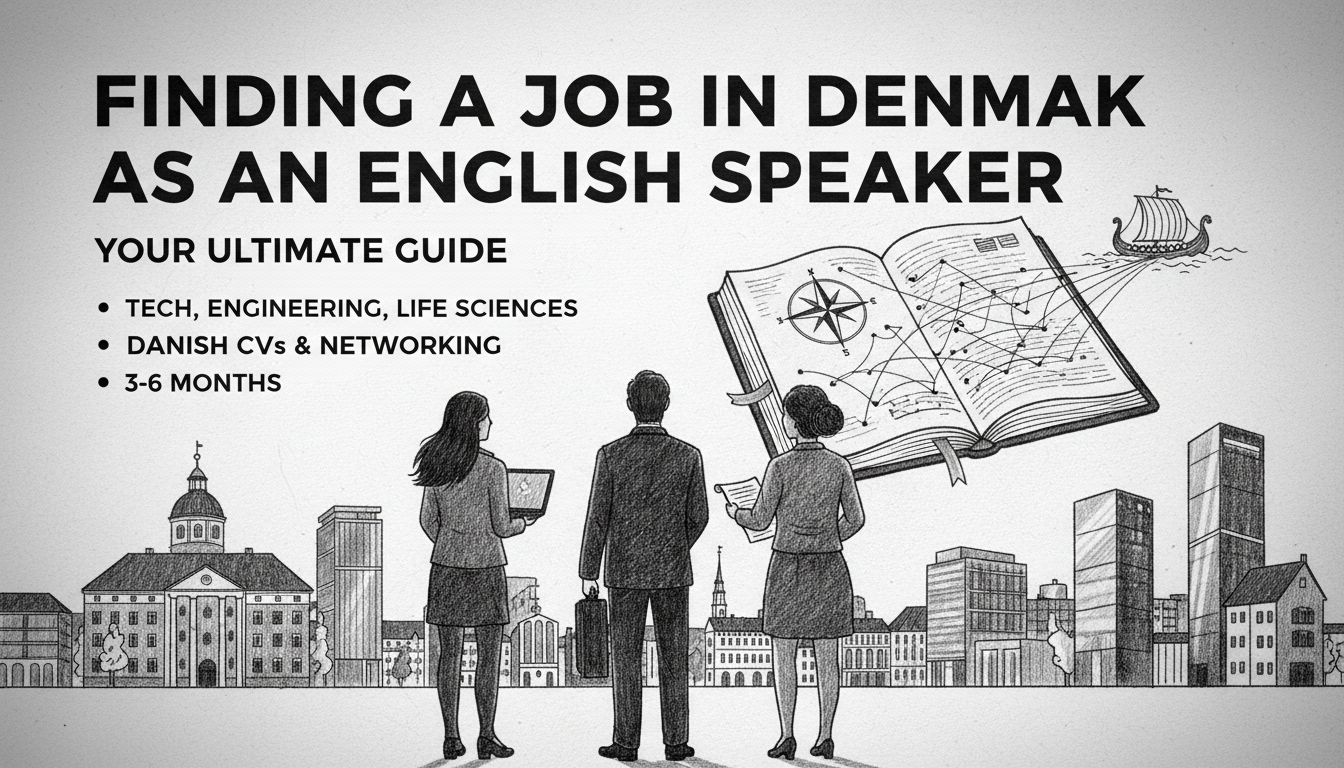
Marcus, a German software developer, moved to Copenhagen without Danish skills. He secured a job at Unity Technologies in three months. His story is common. Denmark's job market welcomes English speakers in key sectors. Companies struggle to fill positions requiring international talent.
The Danish Job Market Landscape
Denmark's economy needs skilled foreign workers. The country faces demographic challenges. An aging population creates labor shortages. Tech, engineering, and life sciences sectors depend on global talent. Companies like Novo Nordisk, Ørsted, and LEGO operate in English. They recruit internationally for specialized roles.
Novo Nordisk hired over 500 international researchers last year. Ørsted expanded its wind energy teams by 30%. These firms list jobs in English on their career pages. They value diverse perspectives. Danish language skills are rarely required for technical positions.
Tools
Call home for less
Save up to 90% on international calls to family and friends.
Links may be monetized via affiliate partners.
Actionable Job Search Strategies
Create a Danish-style CV. Keep it to two pages maximum. Include a photo and personal number. List education first. Highlight specific projects with measurable results. For developers, build three GitHub projects. Show API integration, database design, and front-end skills.
Use Jobindex.dk and Workindenmark.dk daily. These platforms list hundreds of English jobs. Filter by "English" or "International" categories. Set up email alerts for new postings. Apply within 48 hours of listing publication. Response rates drop significantly after that.
Network at Copenhagen Tech Festival or Aarhus Tech Meetup. Attend events listed on Meetup.com. Join LinkedIn groups like "Internationals in Copenhagen." Connect with recruiters from Systematic, Coloplast, and Maersk. Send personalized connection requests mentioning shared interests.
Navigating the Practicalities
Understand the Danish work culture. The average workweek is 37 hours. Flexible hours are common. Flat hierarchies mean you address everyone by first name. Decision-making involves consensus. Meetings start exactly on time. Direct communication is valued but polite.
Learn about the collective bargaining system. Most workers belong to unions. Union membership costs about 400-600 DKK monthly. It provides legal support and insurance. Check if your industry has a specific union. For example, engineers join IDA. Academics join Akademikerne.
Prepare for the tax system. Denmark has high taxes but extensive services. The average income tax rate is about 45%. This includes healthcare, education, and social security. Use the official SKAT tax calculator before salary negotiations. Understand your net income clearly.
Success Stories and Lessons
Anna, a Spanish marketing specialist, found work at Too Good To Go. She attended five networking events in Copenhagen. She connected with a hiring manager on LinkedIn. Her persistence paid off. She now leads campaigns across Nordic markets.
David, an American engineer, joined Vestas in Aarhus. He used Workindenmark's relocation service. The service helped with housing and paperwork. He recommends contacting companies directly. Many have dedicated international recruitment teams.
These examples show a pattern. Successful job seekers target specific companies. They use multiple approaches simultaneously. They understand Danish workplace norms. They prepare thoroughly for practical challenges.
Frequently Asked Questions
Do I need to speak Danish to work in Denmark?
No, for many professional roles. Tech, engineering, research, and corporate positions often use English. Service jobs and public sector roles usually require Danish. Check individual job descriptions carefully. Some companies offer free Danish lessons to employees.
What salary can I expect as an English speaker?
Salaries vary by field. Entry-level software developers earn 35,000-45,000 DKK monthly. Senior engineers make 55,000-70,000 DKK. Marketing managers average 45,000-60,000 DKK. Use lønstatistik.dk for specific industry data. Remember Denmark's high cost of living.
How long does the job search typically take?
Most English speakers find jobs in 3-6 months. The process involves multiple interviews. Companies often test skills through assignments. The average hiring timeline is 4-8 weeks from application to offer. Use the first months for networking and language basics.
What are the biggest mistakes English speakers make?
Applying only through general job boards. Not tailoring CVs to Danish format. Underestimating the importance of networking. Focusing only on Copenhagen. Missing opportunities in Aarhus, Odense, and Aalborg. These cities have growing international companies.
How does the Danish work visa process work?
EU/EEA citizens need no visa. They register with SIRI upon arrival. Non-EU citizens need a work permit. The Positive List shows shortage occupations. The Pay Limit Scheme requires a minimum salary. Companies often handle visa sponsorship. Processing takes 1-3 months.
Where can I find housing while job searching?
Use Boligportal.dk for rentals. Expect high demand in Copenhagen. Consider temporary housing through Airbnb or Danhostel. Join Facebook groups like "Housing in Copenhagen." Many expats share apartments initially. Budget 8,000-15,000 DKK monthly for Copenhagen housing.
What support services exist for international job seekers?
Workindenmark offers free counseling. International House Copenhagen provides orientation. Local libraries host job search workshops. Many municipalities have international citizen services. These resources help with CVs, interviews, and cultural adaptation.