
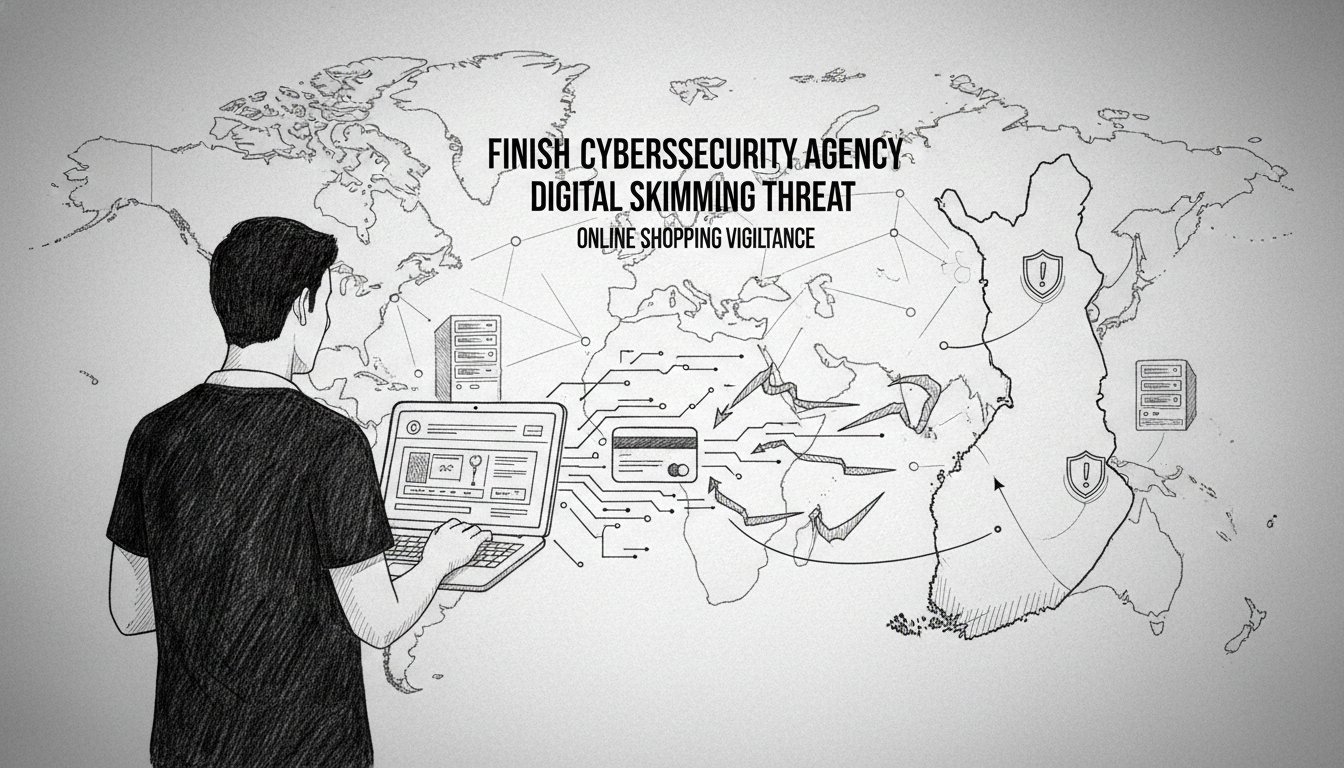
Finland's Transport and Communications Agency Traficom has issued a stark warning about digital skimming attacks targeting online shoppers. The agency's cybersecurity center revealed criminals are using sophisticated methods to steal payment information from e-commerce platforms. This security threat involves malicious code injection into legitimate shopping websites that captures customer payment details without detection.
Digital skimming occurs when criminals embed harmful code into online store platforms. The malicious software activates when customers proceed to payment pages. It then transmits sensitive payment information directly to criminals while maintaining the appearance of normal transaction processing. Traficom experts explained the technical process in their security bulletin. They described how attackers gain access to website source code through phishing messages or by exploiting security vulnerabilities.
Niclas Koskinen, Traficom's cybersecurity expert, provided context about the threat's scope in Finland. He emphasized this represents a global phenomenon rather than a specifically Finnish problem. The agency receives only a few reports annually about such incidents within Finnish e-commerce. Koskinen noted Finnish consumers face greater risks from fake online stores, especially during Black Friday sales periods when fraudulent websites multiply.
Finland maintains strong digital infrastructure and cybersecurity protocols through agencies like Traficom. The country consistently ranks among Europe's most digitally advanced nations. Finnish authorities have developed comprehensive response systems for cyber threats through collaboration between government agencies and private sector partners. This incident highlights ongoing challenges in maintaining payment security despite robust protective measures.
Traficom's warning carries particular significance given Finland's high internet penetration rates and advanced digital economy. Finnish consumers conduct approximately 80 percent of their banking online and make regular e-commerce purchases. The country's strong digital trust environment makes payment security breaches particularly concerning for both consumers and businesses.
E-commerce platform operators received specific recommendations from Traficom. The agency urged businesses to maintain updated website security patches and verify payment card security requirements. They also recommended implementing monitoring tools that track file changes and unauthorized modifications to website code. These measures help prevent digital skimming attacks before they compromise customer data.
Finnish cybersecurity experts note this warning reflects broader European Union digital security concerns. The EU's Network and Information Security Directive requires member states to maintain strong cybersecurity capabilities. Finland's response demonstrates its commitment to these standards while addressing emerging threats. The country's approach combines technical solutions with public awareness campaigns about safe online shopping practices.
Consumers can protect themselves by shopping only from established retailers and checking for security certificates. They should monitor bank statements regularly for unauthorized transactions. Using credit cards instead of debit cards provides additional fraud protection layers. These precautions become especially important during high-volume shopping periods when criminals increase their activities.
Traficom continues monitoring the situation and will issue updates if the threat landscape changes. The agency maintains communication channels with international cybersecurity organizations to share information about emerging digital skimming techniques. This cooperative approach helps Finnish authorities stay ahead of evolving cybercrime methods targeting online payment systems.