
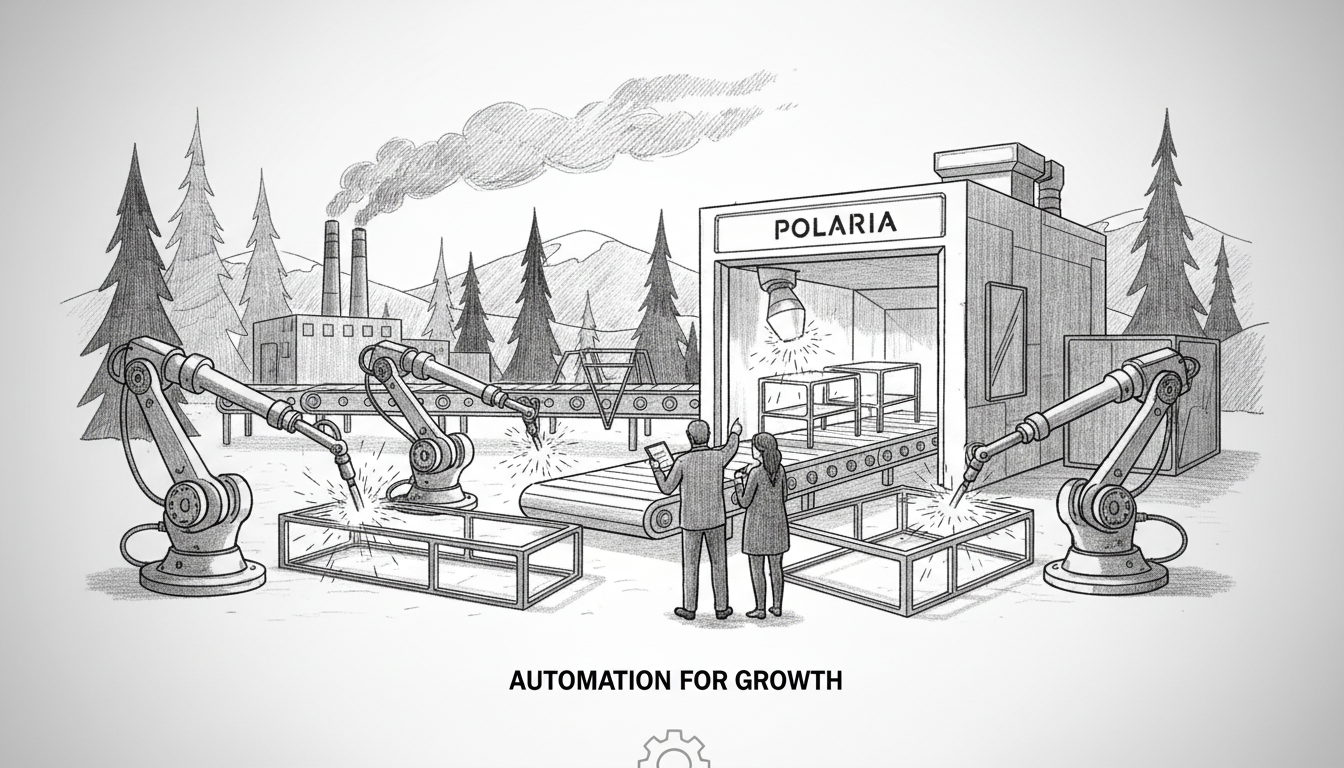
Finnish bathroom furniture manufacturer Polaria, based in the municipality of Mäntyharju, is moving forward with a significant investment in its production facilities. The company is modernizing its paint shop and expanding the capacity of its robotic welding cell. The paint shop modernization project was completed during the autumn, while the expansion of the robotic welding capacity is scheduled for the coming spring. Company officials state the investments aim to support production growth and improve workplace ergonomics for its employees.
This investment reflects a broader trend within Finnish manufacturing, where companies are actively seeking to enhance productivity and competitiveness. The Finnish government has consistently emphasized the importance of industrial modernization through various policy frameworks and funding instruments. These efforts are often aligned with broader European Union directives on industrial strategy and the green transition, which encourage sustainable and efficient production methods. The Ministry of Economic Affairs and Employment frequently highlights such corporate investments as positive indicators for the national economy.
Polaria's decision to invest in automation, specifically in robotic welding, points to strategic planning for scaling operations. Robotic systems offer consistent quality and can handle increased order volumes, which is crucial for companies aiming to expand in both domestic and export markets. The simultaneous focus on improving worker ergonomics is a notable aspect, addressing both productivity and employee well-being, a dual focus common in Nordic business practices. It suggests the investment is not merely about replacing labor but about augmenting human work with technology to create better and safer jobs.
For the local economy in the South Savo region, investments by established manufacturers like Polaria are vital. They secure existing employment and have the potential to create new positions, particularly in technical maintenance, programming, and logistics. The success of such mid-sized industrial companies is a key concern for Finnish policymakers, who often discuss support mechanisms in the Eduskunta, the Finnish Parliament. These discussions frequently revolve around ensuring that growth is not concentrated solely in the Helsinki metropolitan area but benefits regions across the country.
The move also connects to Finland's national industrial policy, which seeks to maintain a strong manufacturing base. In a global context of supply chain re-evaluation, domestic production capacity has gained renewed importance. By upgrading its facilities, Polaria is positioning itself to be more resilient and responsive to market demands. The company's actions demonstrate a pragmatic approach to remaining competitive, a necessary step for any firm operating in the open European market. The real test will be whether this capital expenditure translates into sustained order books and market share gains in the competitive bathroom fixtures sector.