
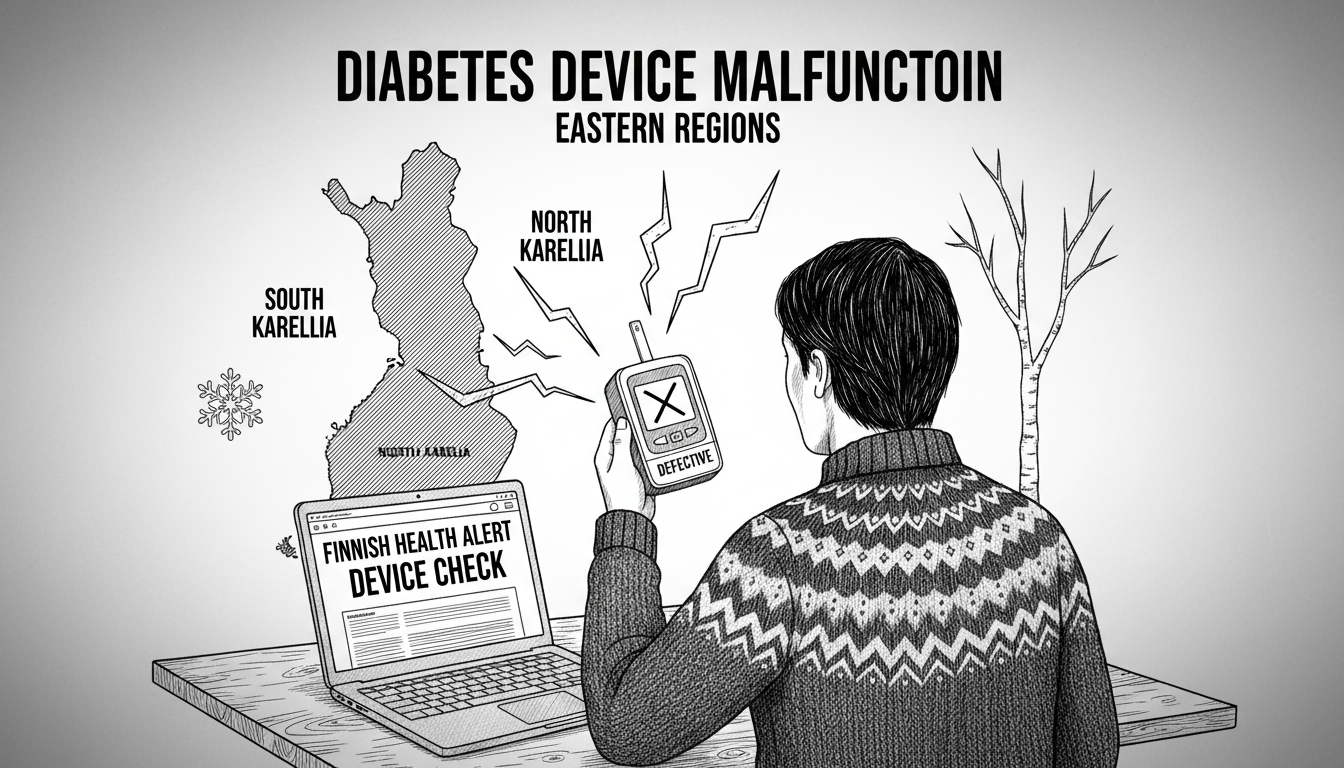
Health authorities in Finland's South Karelia and North Karelia welfare districts issued urgent safety warnings about potentially dangerous defects in diabetes monitoring equipment distributed to patients across these eastern border regions. Medical device manufacturer Abbott confirmed that specific FreeStyle Libre 3 and FreeStyle Libre 3 Plus glucose sensors might display incorrectly low blood sugar readings, creating serious health risks for diabetic patients relying on these devices for daily treatment decisions. The faulty measurements could lead to inappropriate medical responses including excessive carbohydrate consumption or missed insulin doses, potentially resulting in severe complications including possible fatalities over extended usage periods.
Finnish healthcare officials emphasized the particular importance of this alert for residents in remote eastern areas where access to immediate medical care remains more limited compared to urban centers. Patients across both Karelia regions can verify whether their specific devices fall under the safety concern by visiting the manufacturer's verification website at www.FreeStyleCheck.com. The coordinated response between regional health authorities and national medical device regulators demonstrates Finland's proactive approach to patient safety within its decentralized healthcare system.
This incident marks another challenge for Finland's recently reformed healthcare structure, where responsibility for specialized medical equipment distribution now falls under regional welfare authorities rather than centralized national control. The timing raises questions about supply chain oversight mechanisms for medical devices in Finland's new regional model, particularly for vulnerable patient populations managing chronic conditions. Finnish diabetes associations have historically maintained strong quality control standards for medical devices, making this manufacturer-reported defect particularly noteworthy within Nordic healthcare contexts known for rigorous safety protocols.
Medical professionals in Helsinki expressed concern about the potential ripple effects beyond immediate health risks, noting that inaccurate glucose monitoring could undermine long-term diabetes management strategies crucial for preventing secondary complications. Finland's National Institute for Health and Welfare typically collaborates with EU medical device regulators when manufacturer defects emerge, suggesting possible wider European implications beyond Finnish borders. The situation highlights ongoing tensions between device manufacturer accountability and public health system responsibilities within Europe's integrated medical market.
Patients discovering affected devices should contact their local health center immediately for replacement sensors and temporary monitoring solutions until resolving the equipment issue. Finnish authorities continue working with the manufacturer to identify the root cause of the measurement errors while ensuring uninterrupted diabetes care for all impacted individuals across both eastern regions.