
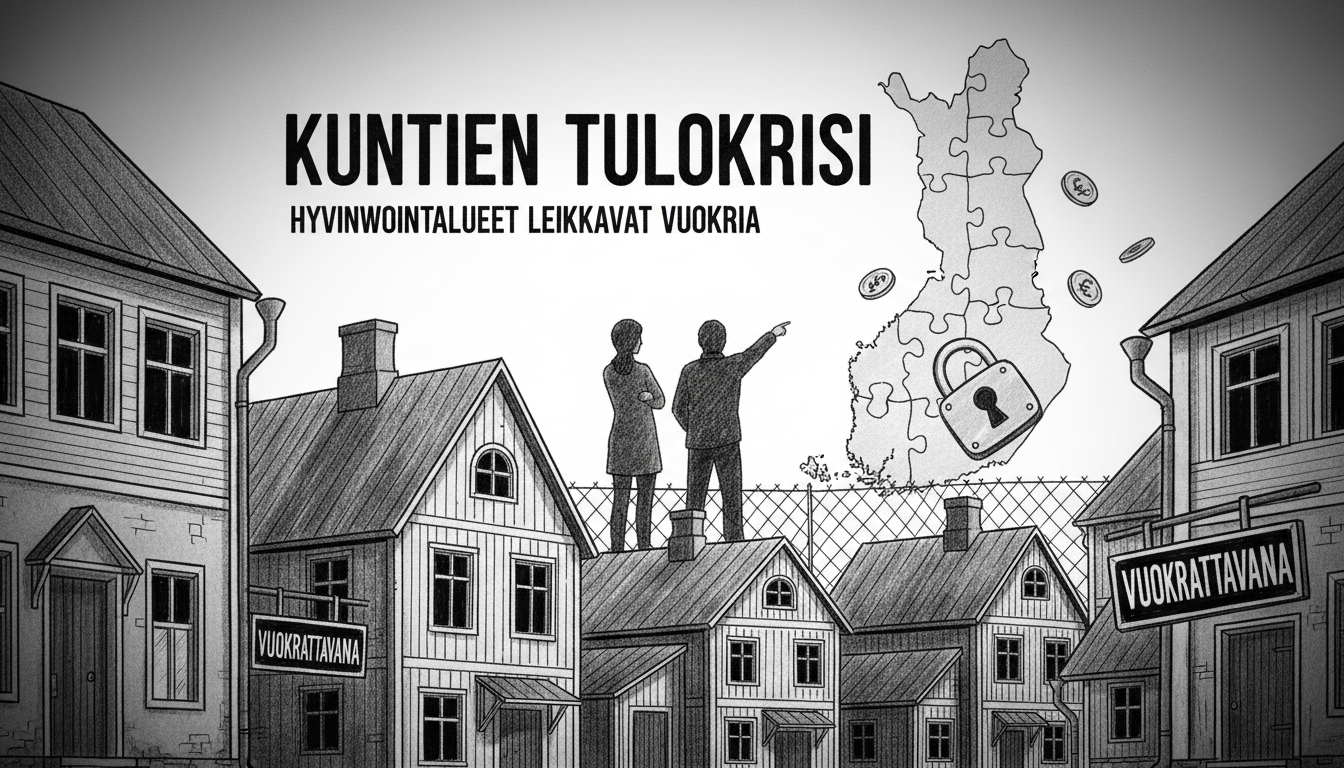
Central Finland's welfare district plans significant budget reductions by decreasing its rental properties across the region. This strategic move will remove approximately 12 million euros from municipal budgets as welfare services consolidate their operations. Municipal governments now face empty properties with limited prospects for new tenants according to recent survey data from 19 Central Finland municipalities.
The financial impact varies across communities but creates substantial challenges for local governance. Konnevesi municipality anticipates losing over half a million euros in rental income alone. Other Central Finland towns report similar revenue reductions as welfare districts optimize their property portfolios. These changes reflect broader structural reforms within Finland's recently established welfare county system.
Finland's 2023 social and healthcare reform created 21 welfare counties that assumed responsibility from municipalities. This fundamental restructuring aimed to standardize service quality and control costs across the country. The transition created complex property ownership situations as municipalities transferred assets to new regional entities. Many local governments retained ownership of buildings while welfare counties became primary tenants.
This financial pressure arrives during challenging economic conditions for Finnish municipalities. Inflation has increased maintenance costs while tax revenue growth remains limited. Municipal leaders must now find alternative uses for vacant properties or identify new revenue sources. The situation demonstrates unintended consequences of Finland's welfare reform legislation passed by Parliament.
Government officials acknowledge the municipal budget challenges but emphasize the necessity of welfare district efficiency measures. The Ministry of Finance continues monitoring the financial health of local governments nationwide. Some opposition politicians question whether the welfare reform adequately considered municipal financial stability during implementation.
What does this mean for international observers of Nordic governance? Finland's experience illustrates the complex balance between centralized service delivery and local financial autonomy. The situation in Central Finland may foreshadow similar challenges in other regions as welfare districts continue optimizing their operations. Municipal leaders now face difficult decisions about property management and service funding.
The welfare district's property reduction strategy reflects Finland's broader public sector efficiency efforts. These measures align with European Union fiscal stability requirements and national budget objectives. Finnish officials must navigate between EU directives, national reform goals, and local practical realities. The coming months will reveal how municipalities adapt to these significant revenue changes.
Local governments may explore converting vacant properties for residential use or commercial purposes. Some municipalities might consider property sales to generate immediate revenue. Others could seek partnerships with private companies or educational institutions. The solutions will vary based on local needs and market conditions across Central Finland's diverse communities.