
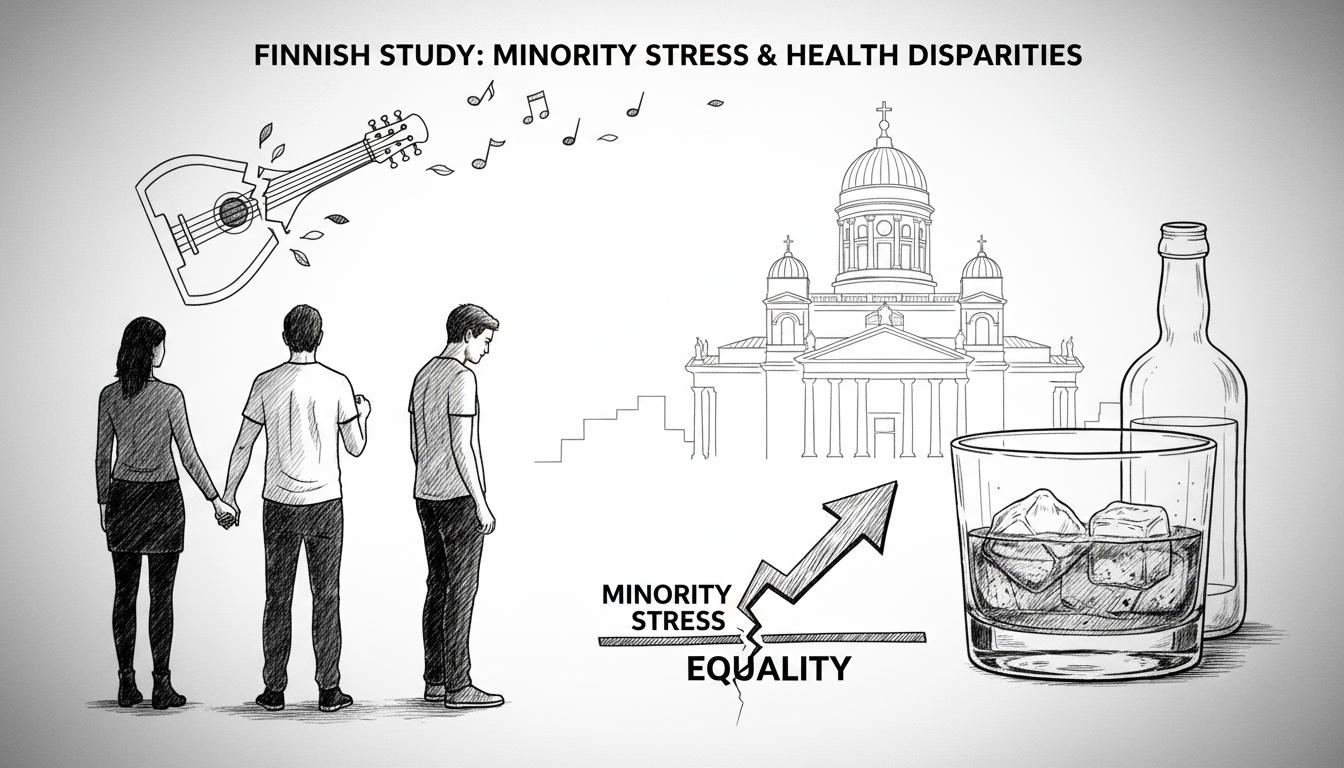
A comprehensive long-term study from Åbo Akademi University reveals that sexual minorities in Finland continue to experience significantly higher rates of mental health symptoms and heavier alcohol consumption compared to the heterosexual population. The research analyzed survey data collected from the Finnish adult population over a sixteen-year period, tracking changes in wellbeing. While alcohol use decreased across all groups during the study timeframe, a substantial disparity remained firmly in place. The findings highlight enduring challenges for equality and public health in Finnish society, prompting calls for continued policy focus and research.
Lead researcher Marianne Källström, a doctoral researcher and university instructor, explained the phenomenon through the lens of minority stress. This stress can stem from experiences of discrimination, encounters with negative attitudes about one's sexual orientation, or the fear of adverse reactions. Källström noted in the research announcement that early childhood experiences and hereditary factors might also partially explain these persistent differences. The study's core data came from national wellbeing surveys conducted at four distinct points, providing a robust longitudinal view of trends.
From a public health perspective, the overall reduction in alcohol consumption is a positive development, Källström stated. She directly connected alcohol use to mental health problems, making the decline noteworthy despite concurrent increases in reported depression and anxiety. The research confirms that work for equality and non-discrimination based on sexual orientation remains critically important. The academic team argues for sustained investigation into the root causes of these mental health disparities to better promote the welfare of sexual minorities.
The study's publication in the journal Psychological Medicine adds weight to its conclusions within the international scientific community. For Finnish policymakers in Helsinki, the data presents a clear challenge. It underscores that legislative progress on LGBTQ+ rights, while vital, does not automatically erase deep-seated social stressors and health outcomes. The research implicitly questions whether current support systems and health services are adequately reaching and serving these communities. The persistent gap suggests that societal acceptance and individual wellbeing are not improving at the same pace.
This analysis connects to broader discussions within the Eduskunta about social and health inequality. The findings offer concrete data for ministries crafting national mental health and substance abuse strategies. They also resonate with ongoing EU-level dialogues about fundamental rights and health equity across member states. Finland often positions itself as a leader in equality, but this research indicates a measurable area where reality lags behind ambition. The next steps involve translating these academic insights into targeted actions within Finland's municipalities and healthcare districts.