
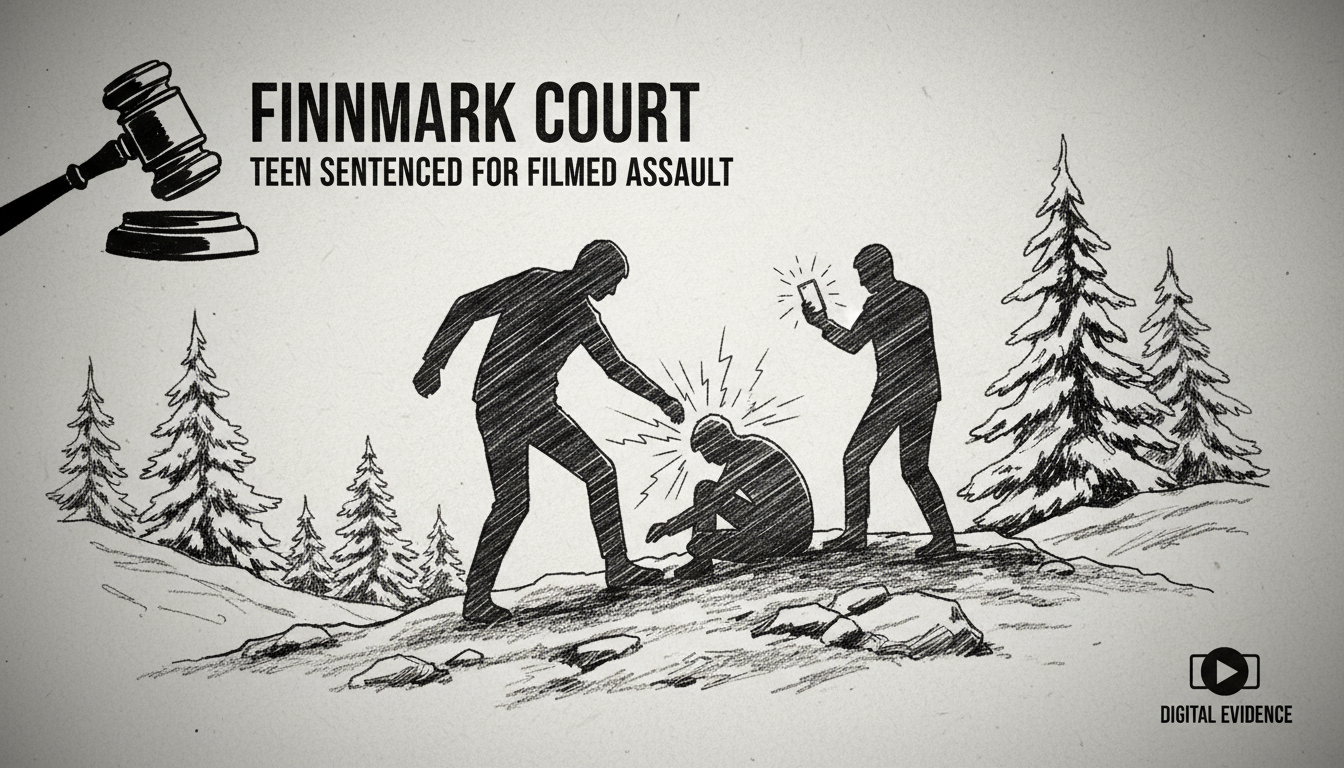
A Norwegian court has delivered a landmark ruling in a youth violence case from Inner Finnmark. The Inner and Eastern Finnmark District Court sentenced a 17-year-old male to 30 days of conditional imprisonment for repeatedly kicking another teenager in the head. The assault occurred during a physical altercation that was captured on video and widely shared. This case highlights growing concerns about youth violence and digital evidence in Norway's legal system.
The court proceedings revealed the victim was found unconscious in a water-filled ditch by a passerby. Emergency services transported the injured youth to a medical clinic where he displayed significant facial swelling and multiple body injuries. Medical examination later confirmed probable concussion though no serious head trauma. The victim testified he remembered nothing of the incident due to extreme intoxication.
Video evidence proved decisive in the unanimous verdict. The footage clearly showed the convicted teenager delivering five kicks to the head and neck of the prone victim. Two other teenage defendants were acquitted of involvement after the court accepted their testimony that they attempted to intervene. The prosecution had sought an 11-month youth sentence but the court considered the defendant's age in its more lenient ruling.
Defense attorney Trond Biti confirmed they are reviewing potential appeal options. The convicted youth maintains the judgment is incorrect according to his legal representation. Prosecution authorities have not yet provided public comment on the verdict despite requests.
This case demonstrates Norway's evolving approach to youth crime adjudication. Courts increasingly balance rehabilitation with accountability particularly when digital evidence provides unambiguous proof. The Finnmark region has seen several high-profile youth violence cases in recent years prompting broader discussions about prevention programs.
The victim has expressed no lingering resentment toward his assailants according to court documents. He reportedly remains open to potential reconciliation with all three teenagers involved in the incident. This attitude reflects Norway's restorative justice principles that often emphasize rehabilitation over pure punishment.
Northern Norwegian communities continue addressing youth violence through combined legal and social approaches. Local authorities are implementing new prevention initiatives while courts maintain strict standards for violent conduct. The filmed nature of this assault represents a growing challenge for Norwegian jurisprudence as digital evidence becomes increasingly common in criminal proceedings.