
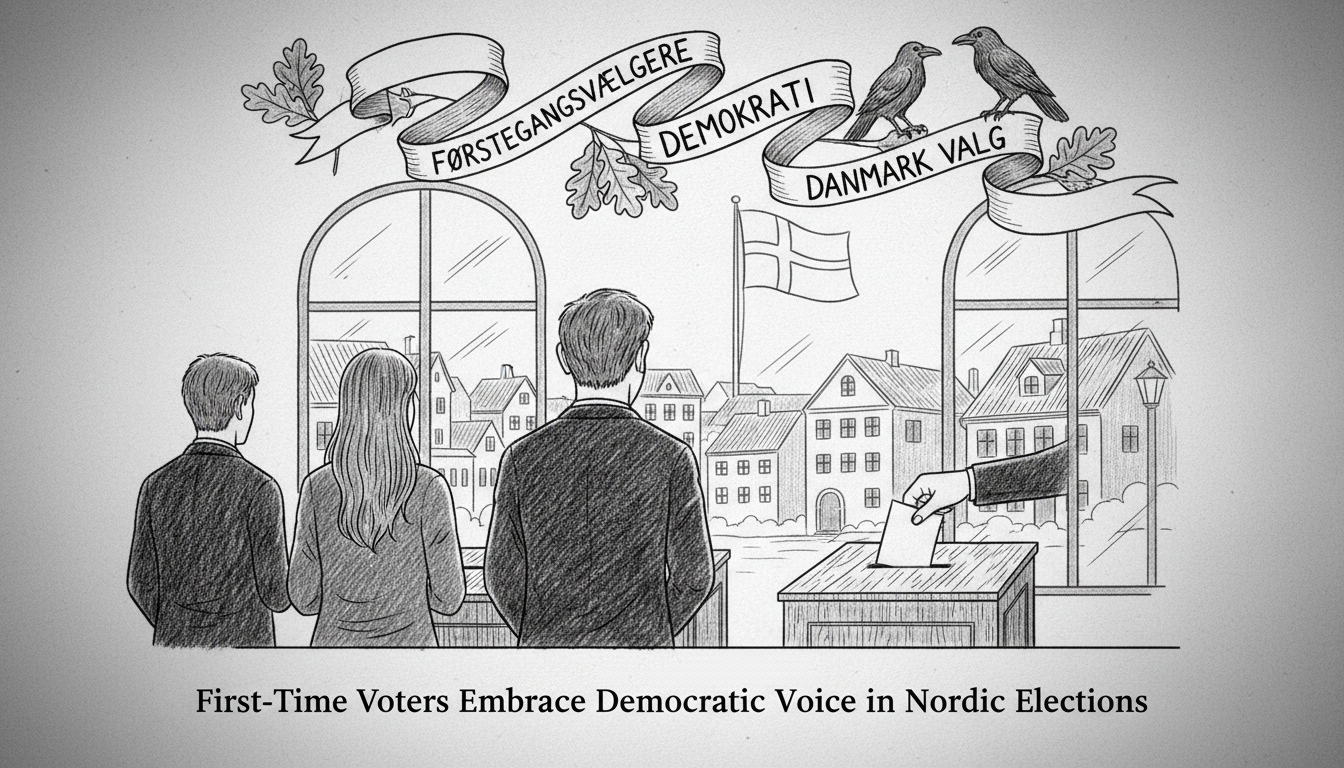
Danish citizens head to polling stations today for municipal and regional elections. Thousands of young people will cast their ballots for the very first time. Eighteen-year-old Alma Lindegaard Lauesen represents this new generation of voters. She expressed excitement about finally having her voice heard in the democratic process. 'It feels really great to finally have something to say on election day,' Lauesen said in an interview.
First-time voters like Lauesen bring fresh perspectives to Nordic democracy. Their participation shapes local policies on schools, transportation, and community services. Denmark's multi-level election system allows citizens to vote for both municipal councils and regional councils simultaneously. These local governments manage crucial services that affect daily life across Danish communities.
Nordic countries maintain consistently high voter turnout compared to other democracies. The region's political culture emphasizes civic participation as both a right and responsibility. Young voters often focus on climate policies, education funding, and social equality issues. Their engagement signals the health of Denmark's democratic traditions.
Local elections in Denmark occur every four years. Voters elect representatives to 98 municipalities and five regions. These governing bodies control substantial budgets for healthcare, public schools, and local infrastructure. The outcomes directly impact community development across urban and rural areas.
International observers often study Nordic election systems as models of democratic engagement. The high participation rates reflect strong civic education and accessible voting procedures. Denmark's same-day registration system makes it easy for eligible voters to participate. Young voters can register at polling stations with proper identification.
Today's elections will determine local leadership during a period of economic uncertainty. Voters weigh concerns about public services against tax considerations. The results may signal shifting political preferences ahead of national elections. All major parties have campaigned vigorously for local support.
First-time voters bring energy to the democratic process. Their participation ensures diverse voices influence community decisions. Election officials expect strong turnout despite changing weather conditions across Denmark. Polling stations remain open until early evening to accommodate working voters.
The Nordic model of local governance combines efficiency with citizen engagement. Today's elections test this system's continuing appeal to younger generations. Their voting patterns may forecast long-term political trends across the region.