
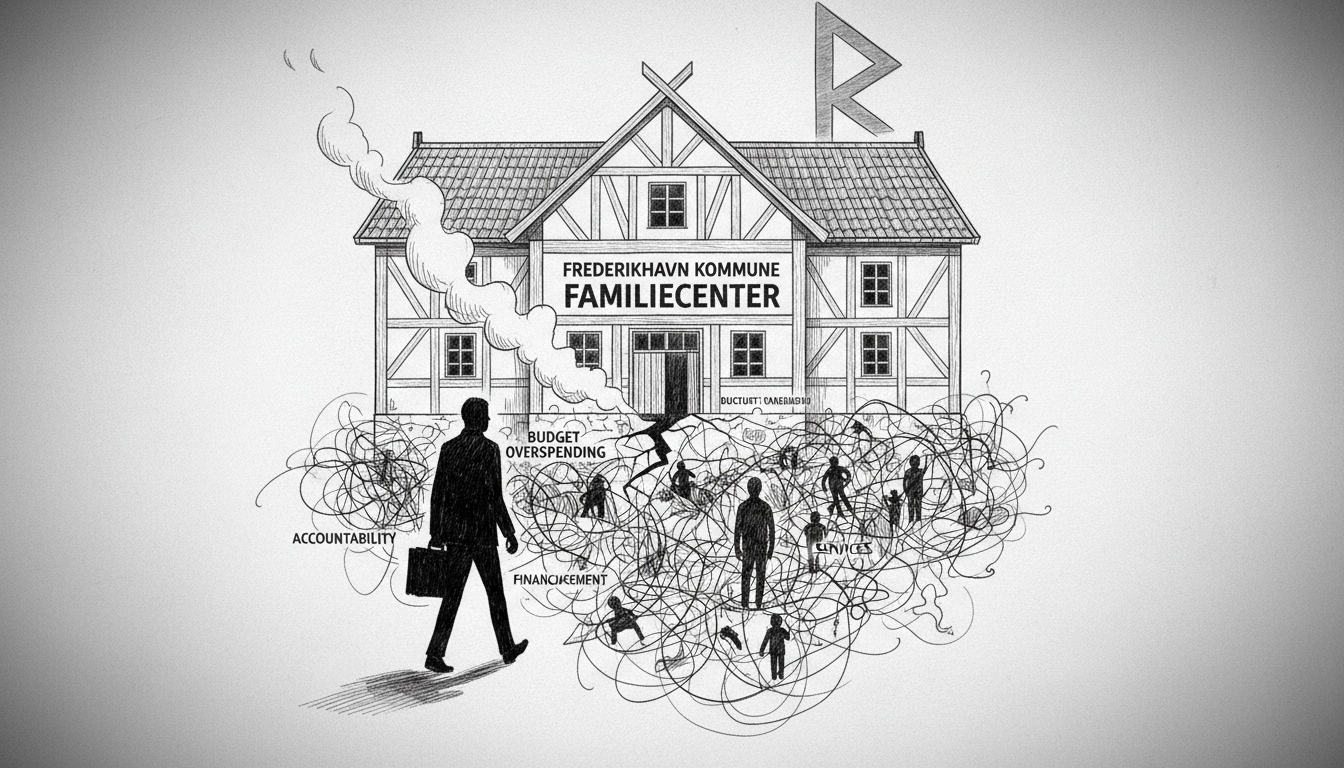
A senior administrator in Frederikshavn Municipality has left his position following revelations of substantial budget overruns at a family services center. Michael Høyer Johansen previously served as director of the Center for Family before his recent departure. Municipal Director Thomas Eriksen confirmed the separation agreement in an official statement. This development follows internal documents showing significant financial irregularities within the department.
The budget discrepancies emerged just days before municipal politicians received briefings about million-krone overspending. Johansen had led the family center for approximately two years before his initial suspension and subsequent termination. Danish municipalities operate with strict financial accountability standards, making such overspending particularly noteworthy. These incidents raise important questions about oversight mechanisms within Denmark's welfare system.
Frederikshavn's situation reflects broader challenges facing Danish social policy implementation. Municipalities across Denmark manage extensive social services through local centers like the one involved here. The family center provides crucial support services to residents, including integration programs and social assistance. Budget management within these institutions directly impacts service quality for vulnerable populations.
Integration statistics from recent Danish reports show varying outcomes across municipalities. Educational attainment among immigrant populations remains a key indicator for successful integration policies. Copenhagen integration efforts often receive attention, but regional centers like Frederikshavn's face distinct challenges with different demographic compositions. The Danish welfare system depends heavily on proper municipal financial management to maintain service levels.
Community leaders express concern about how such administrative changes might affect local families. Service continuity remains paramount for residents relying on family support programs. Denmark immigration policy increasingly emphasizes successful integration through local municipal services. When administrative disruptions occur, they potentially impact vulnerable families most dependent on these support structures.
Municipal officials now face the dual challenge of addressing financial controls while maintaining essential services. The departure signals serious accountability within Danish public administration, yet the underlying systemic questions persist. How can municipalities balance budgetary discipline with growing service demands? What oversight improvements might prevent similar situations elsewhere? These questions resonate beyond Frederikshavn to other Danish communities managing complex social service portfolios.
The case demonstrates the ongoing tension between administrative efficiency and social service delivery within Scandinavia's comprehensive welfare models. Danish society news frequently highlights such balancing acts between fiscal responsibility and social support commitments. As municipalities nationwide observe Frederikshavn's response, the outcomes may influence administrative practices across Denmark's local governance structures.