
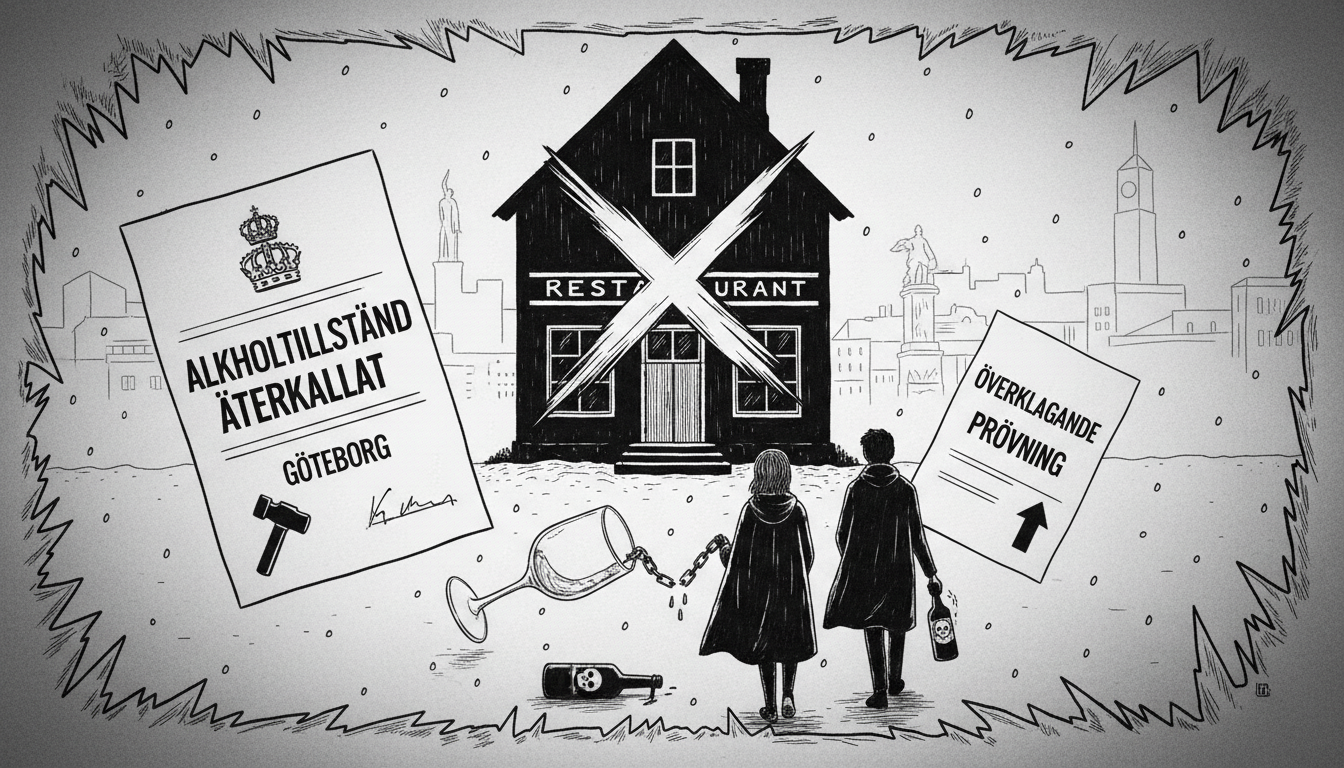
A restaurant in Gothenburg has lost its alcohol license after serving drinks to minors. The establishment, known as Linnékrogen, now plans to appeal the decision to the administrative court. This case highlights the strict enforcement of Sweden's alcohol laws.
The Swedish government maintains a zero-tolerance policy for serving alcohol to underage patrons. The decision was made by local licensing authorities, not the Swedish Parliament. It reflects a broader commitment to public health and safety standards across the country. These standards are a cornerstone of government policy in Sweden.
Restaurants and bars operate under the Alcohol Act, a framework established by the Riksdag. Violations can lead to immediate license revocation. The process typically involves inspections and reports from police or municipal officials. In this instance, the evidence was sufficient for the local administrative board to act.
This is not an isolated event. Similar license revocations occur periodically in major cities like Stockholm and Malmö. The system aims to deter establishments from prioritizing profit over legal compliance. The appeal to the administrative court is a standard legal recourse. The court will review the evidence and the application of the law.
The outcome could set a precedent for how similar cases are handled in the future. Restaurant owners across Sweden are watching this case closely. A failed appeal reinforces the authority of licensing boards. A successful appeal might prompt calls for clearer guidelines from Stockholm politics.
For international observers, this demonstrates Sweden's unique relationship with alcohol. The state monopoly Systembolaget controls retail sales. Licensed premises face intense scrutiny. This model, debated often in the Riksdag building, seeks to balance personal freedom with social responsibility.
The appeal process may take several months. The restaurant must remain closed for alcohol service during this time. This results in significant financial loss. The case underscores the high stakes of regulatory compliance in the hospitality sector. It is a clear reminder of the consequences of violating Swedish law.