
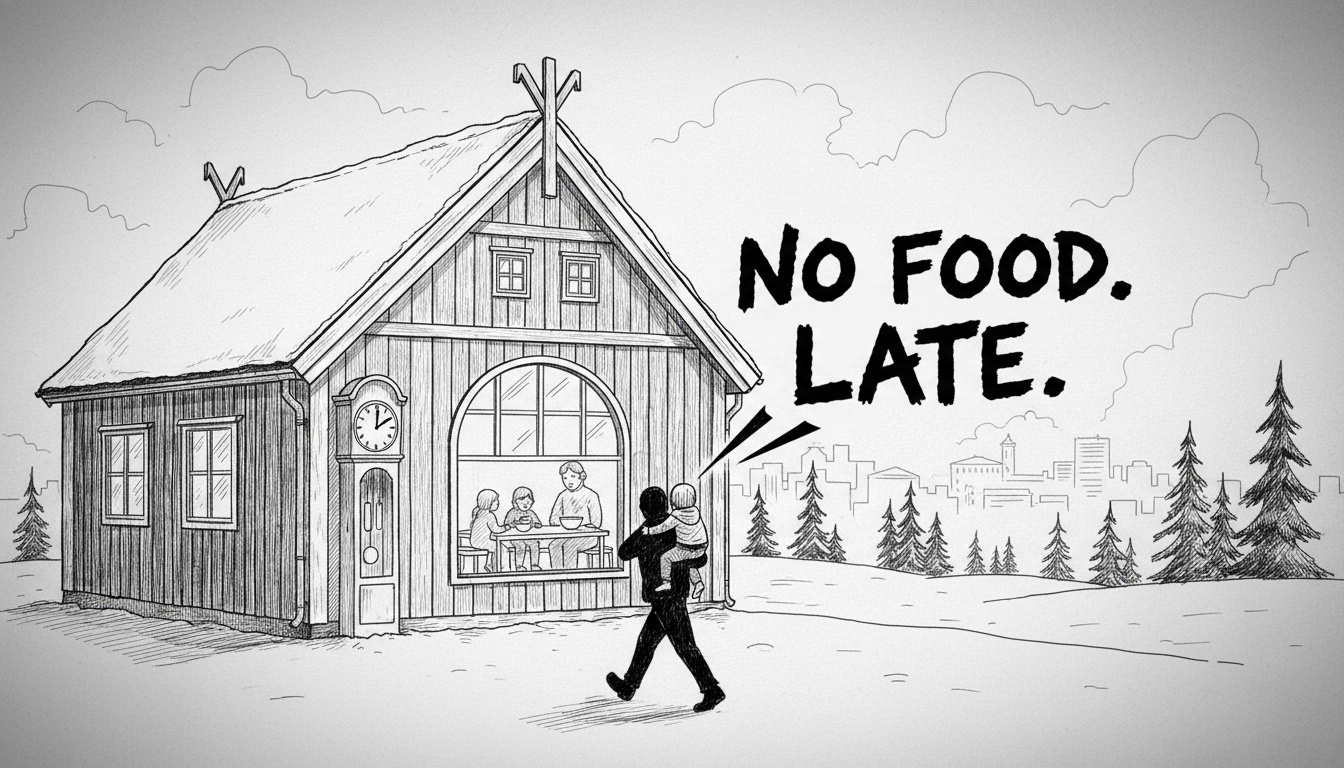
A Helsinki mother's morning routine turned stressful when her daycare sent an unexpected text message. Milla Piirainen arrived four minutes late dropping off her six-year-old daughter for preschool. Her child has sensory sensitivities and transition challenges that make rushing counterproductive.
Two minutes after drop-off, Piirainen's phone buzzed with a daycare text. It stated her child would receive no food for the entire day because staff hadn't received notice of the late arrival. Piirainen discovered the message while driving home.
'I felt truly shocked by this message,' Piirainen said. 'I read it multiple times thinking this couldn't be real.'
The text explained the daycare recorded the child as absent since no late notice arrived. This confused Piirainen since she hadn't reported an absence either. The daycare could have reasonably assumed the child was coming.
Piirainen immediately responded asking if she should bring packed lunch. She also noted the message's inappropriate tone sounded like scolding. She received no reply for hours.
As lunchtime approached, Piirainen called the daycare directly. An early childhood teacher assured her the child would receive food and no packed lunch was needed.
Daycare staff defended the message as following city policy. They claimed all absent children receive similar texts simultaneously.
Piirainen understands late arrivals frustrate staff and disrupt operations. But she questions the approach.
'This isn't about that,' she said. 'How can there be a practice that threatens food? Early education should provide nutrition and support children's overall wellbeing.'
Helsinki Early Education Director Miia Kemppi responded to media inquiries by email. She called the situation a misunderstanding and apologized.
'The city absolutely doesn't have this kind of policy,' Kemppi stated.
The incident occurred at Kontula daycare in Helsinki. Kemppi noted unreported absences have increased in recent years. Kontula has sought ways to improve absence reporting.
Daycares report morning headcounts to food services by specific times for meal orders. This particular daycare had adopted a practice this year of texting guardians after preschool begins if children haven't arrived.
'Unfortunately this message created a mistaken impression that late-arriving children wouldn't receive their entitled meals,' Kemppi acknowledged.
She emphasized all children remain welcome at daycare anytime and receive necessary meals. The messages will continue but with immediate revisions to prevent future misunderstandings.
Piirainen feels disappointed with how the matter was handled. She believes the responsibility lies with message senders and their guidelines, not interpreters.
She interpreted the text as threatening her child would go hungry. This undermines trust in early education systems meant to promote equality.
Though one message might seem insignificant, it reveals how bureaucratic communication can displace humanity from where it belongs most—in early education focused on children and families.
The case raises fundamental questions about authority and partnership. Official communication sometimes forgets that parents serve as primary experts and collaborators for their children, not subjects to be directed.
'I'm my child's guardian, not administration's subordinate,' Piirainen noted. 'But the message's tone placed me in an inferior position relative to daycare staff.'
This situation highlights the tension between administrative efficiency and compassionate childcare. Systems designed for smooth operation sometimes forget the human realities they serve.