
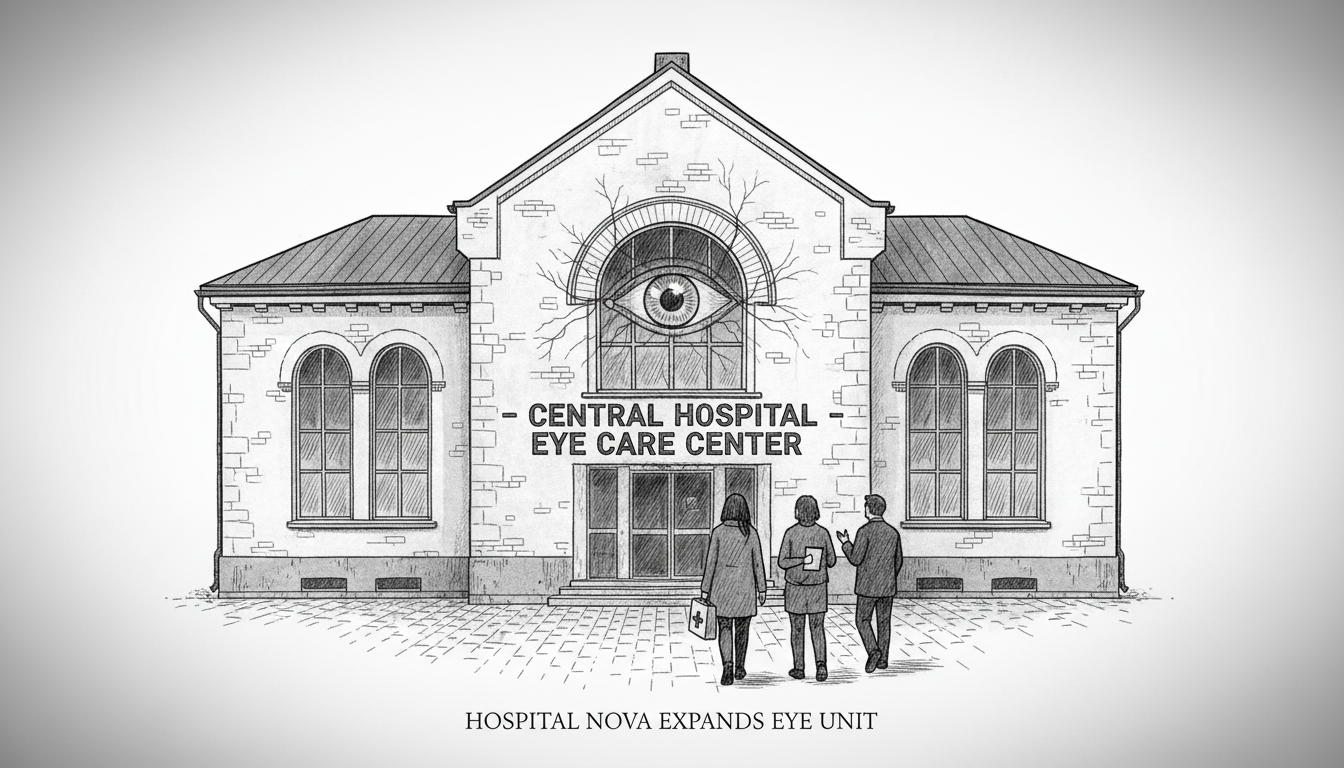
Hospital Nova's ophthalmology department will expand its operations to the F1A building starting December 1, marking a significant redevelopment of Helsinki's healthcare infrastructure. The former emergency department space at the old central hospital will now house specialized eye care services including intraocular injections and related examinations. Medical imaging services for ophthalmology patients will also relocate to the renovated F1A facility, creating a comprehensive eye care center in the heart of the city's government district.
This strategic expansion addresses growing patient volumes and modernizes Finland's public healthcare delivery system. The relocation process demonstrates Helsinki's commitment to optimizing existing medical facilities rather than constructing new buildings. By early 2026, strabismus patient examinations and treatments will also transfer to the F1A building, consolidating all advanced ophthalmology services under one roof.
Finland's healthcare system faces ongoing challenges with aging infrastructure and rising treatment demands. This expansion represents a practical solution that maximizes existing public resources while improving patient access to specialized care. The move aligns with broader Nordic healthcare trends of centralizing specialized medical services in urban centers.
Healthcare officials confirm the transition will maintain uninterrupted service throughout the relocation period. Patients will receive detailed information about the new locations and any changes to appointment procedures. The expanded facility features state-of-the-art equipment and improved accessibility compared to the previous scattered service locations.
The F1A building's transformation from emergency services to specialized ophthalmology reflects evolving urban healthcare needs. Helsinki's approach demonstrates how European cities can adapt historical medical facilities for contemporary medical requirements. This development comes as Nordic countries increasingly focus on specialized medical care accessibility in capital regions.
International residents in Helsinki will benefit from the centralized eye care services, particularly those requiring regular specialized treatments. The consolidation simplifies navigation through Finland's public healthcare system for non-Finnish speakers. This expansion represents continued investment in Helsinki's position as a leading Nordic healthcare hub.
Medical professionals note that centralized specialty services typically improve treatment outcomes through better care coordination. The ophthalmology department expansion follows similar successful consolidations in other Nordic capital cities. Helsinki's healthcare district continues evolving to meet population health demands through strategic facility redevelopment.