
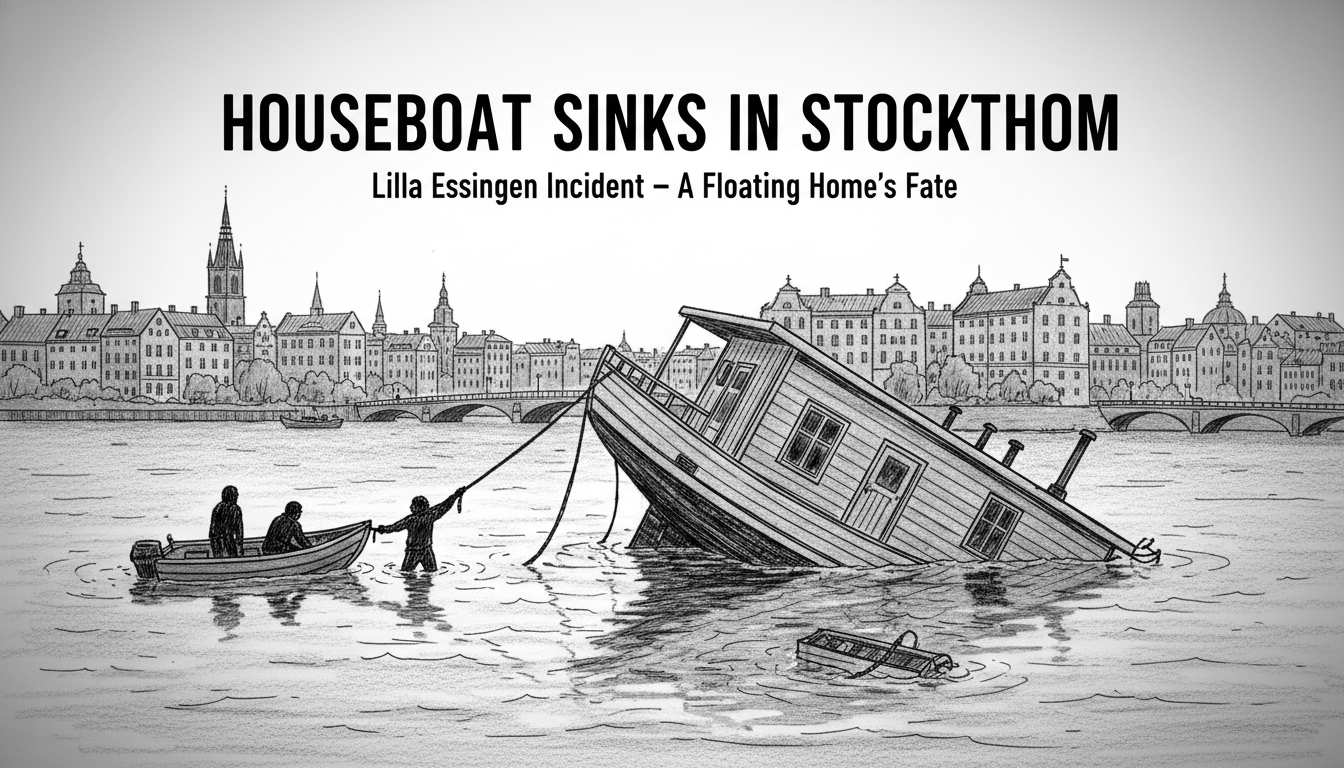
A quiet Tuesday morning on Stockholm's Lilla Essingen island turned dramatic. A houseboat moored at a dock began taking on water and sank. The alarm reached emergency services just before eight in the morning. Two people ended up in the cold water but were quickly brought to safety. Police confirmed no one was injured in the incident. The cause of the sinking remains unclear, according to officials.
This event highlights a unique aspect of Swedish lifestyle and Stockholm living. Houseboats, or 'husbåtar', are a cherished part of the city's maritime character. They offer an alternative, often more affordable, way to live in the capital. You can find these floating homes in neighborhoods like Hammarby Sjöstad, Södra Hammarbyhamnen, and of course, on the islands of the Stockholm archipelago like Lilla Essingen. Living on the water is a dream for many, blending urban life with a deep connection to nature.
However, this dream comes with distinct challenges. The sinking boat raises questions about safety regulations and maintenance for these unconventional dwellings. Swedish authorities have specific rules for permanent houseboats, covering everything from sewage to structural integrity. Yet, incidents like this remind residents and observers that life on the water is inherently vulnerable to the elements. A small leak or mechanical failure can have immediate, serious consequences.
For the international community in Sweden, this story is a small window into local norms. Swedish society trends often embrace sustainable and unique living solutions. The houseboat culture fits this perfectly, promoting a minimalist, nature-adjacent life. Yet, it also requires a high degree of self-sufficiency and preparedness. This incident will likely prompt discussions in the boating community about winter preparation and safety checks, especially as seasons change.
The response also showcases Stockholm's efficient emergency services. A quick rescue with no injuries is the best possible outcome. It reflects a system where public safety infrastructure is robust and reliable. The two individuals involved are safe, and the sunken vessel now becomes a matter for marine salvage companies and possibly insurance assessors. The boat's story is over, but the conversation about balancing idyllic living with practical safety in Swedish culture news continues. These floating homes are more than just houses. They are symbols of a specific Stockholm identity, one that values water, freedom, and a slightly different path. Their preservation and safe enjoyment matter to the city's soul.