
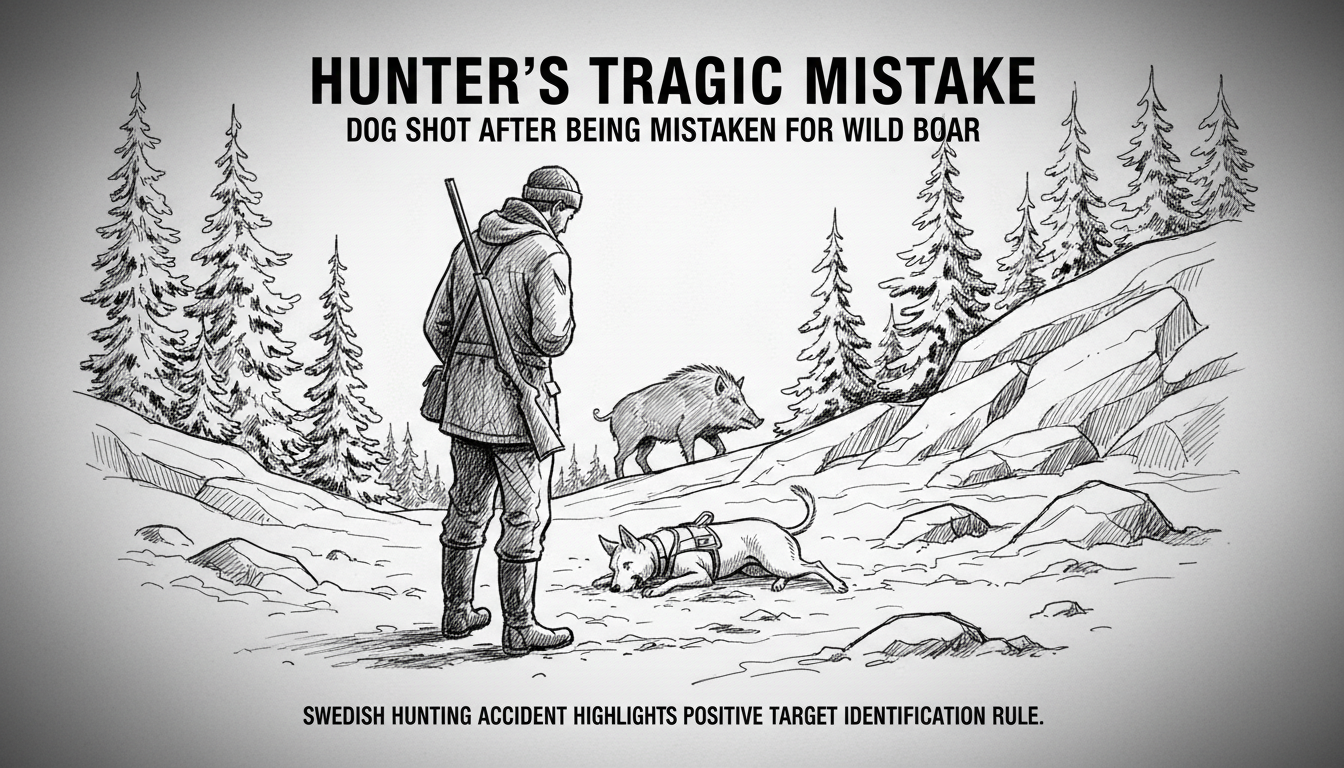
A Swedish hunter faces fines after a fatal error during a wild boar hunt. He shot and killed a hunting dog, believing it was his intended prey. The incident occurred on Hallandåsen ridge in November last year. The court ruled the act showed gross negligence. It said the hunter displayed indifference to the risk of shooting something other than a wild boar. The ruling sends a clear message about firearm responsibility in Sweden's forests.
This case highlights the strict regulations governing Sweden's popular hunting culture. Over 300,000 Swedes hold hunting licenses. The activity is deeply woven into rural life and traditions. Wild boar populations have grown significantly in recent decades. This has led to more frequent hunts, especially in regions like Halland. Hunters often use dogs to track and corner the animals. The close-quarters nature of these pursuits demands extreme caution.
"Anyone handling a hunting weapon must verify their target before firing," the district court wrote in its verdict. The statement underscores a fundamental rule often discussed in Swedish hunting safety courses. The hunter was acquitted of a separate charge of endangering the dog's owner. Prosecutors had argued he created a life-threatening situation. The court focused solely on the unlawful killing of the animal.
This tragedy resonates beyond the hunting community. It touches on Sweden's relationship with nature and responsible outdoor practices. For many international residents, the prevalence of hunting can be surprising. It is a regulated pastime tied to wildlife management and tradition, not merely sport. The Swedish model emphasizes sustainability and safety. Incidents like this are rare but serve as stark reminders.
What does this mean for hunting practices moving forward? Local hunting associations will likely reinforce safety protocols. The legal outcome emphasizes that ignorance is not a defense. A weapon handler's primary duty is positive target identification. This principle applies in the dense Scandinavian woods as it does anywhere. The financial penalty is one consequence. The reputational damage within the close-knit hunting community may be another. This sad event shows how a moment's lapse can alter lives and end one irrevocably.
The broader context involves balancing tradition with modern safety standards. Sweden's allemansrätten, or right of public access, allows people to roam freely in nature. This freedom comes with a responsibility for all, especially those carrying firearms. As wild boar numbers increase, so do interactions between hunters, dogs, and other forest users. This case will probably be cited in future safety briefings. It is a sobering lesson in the weight of a single decision made in the dim light of the Nordic autumn forest.