
Reykjavik assault case reaches trial after six years
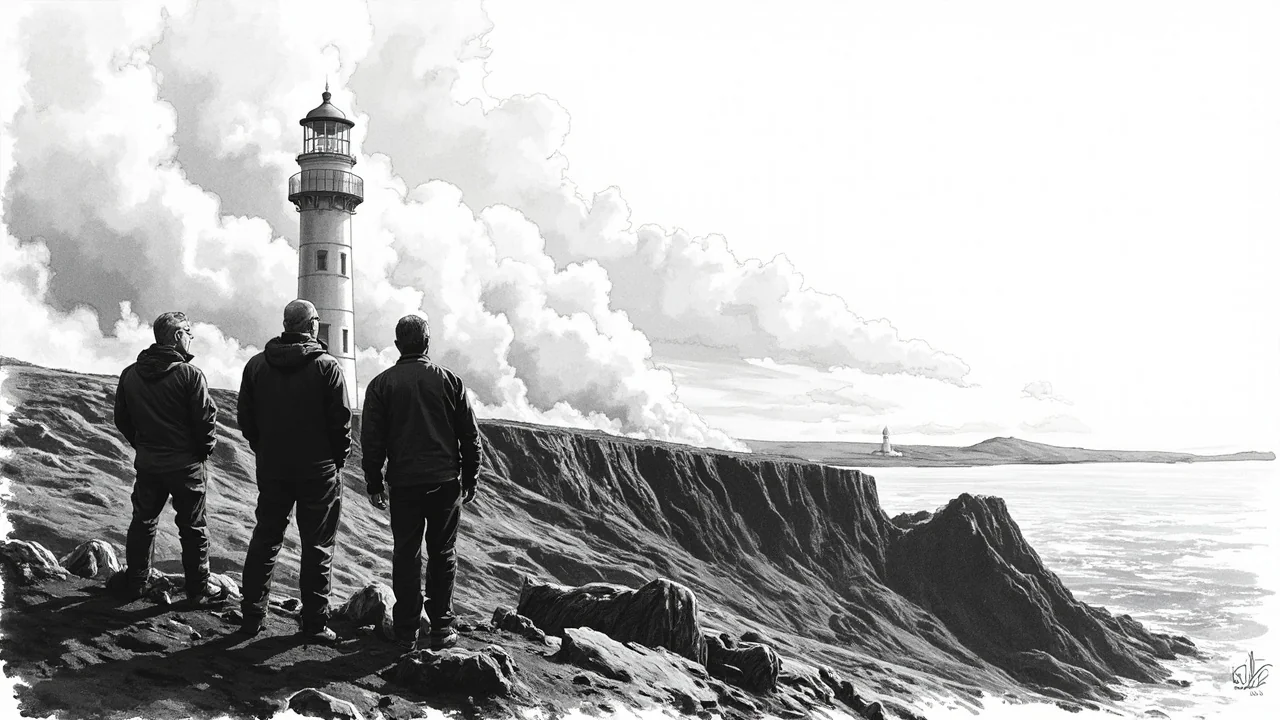
Three Icelandic men face charges for assaulting a victim at Gróttuvita lighthouse in a case that has taken six years to reach trial. The defendants allegedly forced the victim to the remote location and demanded payment, according to court documents from Héraðsdómur Reykjavíkur (Reykjavik District Court). Source: Statistics Iceland - Crime Statistics.
The incident occurred in June 2020 when the victim was taken from central Reykjavik to the lighthouse area. Police intervened on Tryggvagata, but the victim had already sustained injuries requiring medical treatment. The prosecution seeks damages plus legal costs under Iceland's General Penal Code.
Nordic justice systems struggle with case backlogs
The six-year delay exposes a problem across Nordic countries: court backlogs that undermine justice delivery. Iceland's situation is particularly acute given its small judicial infrastructure. Héraðsdómur Reykjavíkur handles most serious criminal cases for the capital region but operates with just 12 judges for a population of 240,000.
Compare this to Norway, where similar assault cases in Oslo typically reach trial within 18-24 months, or Denmark, where Copenhagen courts process violent crime cases in under two years on average. Iceland's extended delays stem from having just three district courts nationwide and limited judicial personnel.
Iceland's Penal Code Section 227.a addresses trafficking and extortion offenses with penalties up to eight years imprisonment. The prosecution's approach may establish precedents for how Icelandic courts handle organized criminal activity, but the delay itself sends a troubling message about judicial capacity.
Small-state policing limitations exposed
Unlike larger Nordic countries with specialized violent crime units, Iceland's police force of roughly 700 officers must handle all crime types. The Reykjavik Metropolitan Police covers 60% of Iceland's population but lacks the specialized resources available to Stockholm's 5,000-officer force or Oslo's dedicated organized crime division.
This case highlights the challenge facing small Nordic states: maintaining rule of law with limited institutional capacity. When serious crimes take six years to prosecute, it raises questions about deterrence and victim rights that larger Nordic neighbors don't face to the same degree.
The Althingi has discussed court system reforms since 2022, including proposals to add two additional district court judges and streamline criminal procedure rules. But implementation remains slow, with budget constraints limiting judicial expansion.
Verdict: Iceland's justice system needs urgent reform
This March 2026 trial will determine individual accountability, but the six-year delay already represents a systemic failure. Iceland cannot maintain its reputation for strong institutions while allowing violent crime cases to languish in court backlogs.
The real test isn't whether these defendants are convicted - it's whether Iceland can fix a broken system that fails both victims and public confidence. Without immediate judicial reforms and additional court capacity, Iceland risks becoming the Nordic outlier where justice delayed becomes justice denied.
Read more: Iceland Considers Automated Weather Alerts After Fagradal In....
Read more: Man Hospitalized After Assault in Grafarvog.