
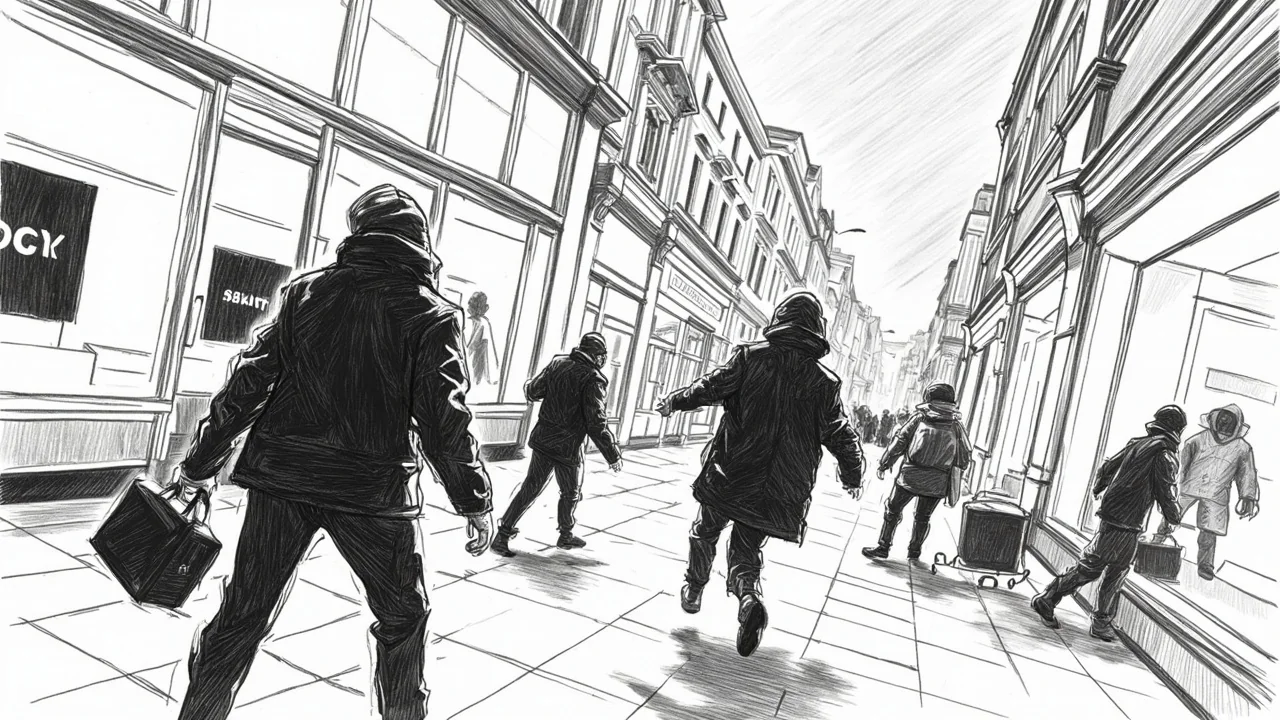
Iceland's capital region police were called to a Nettó supermarket in Hafnarfjörður last night after a violent altercation between a staff member and a man caught stealing cigarettes. The incident, which occurred around 9 PM, marks the second time the same individual had targeted the store that day, raising urgent questions about retail safety and police response times in Reykavik's suburbs.
According to the Capital Region Police, a man born in 1994 was detained after stealing cigarettes and then assaulting a store employee who confronted him. Police records initially listed the call as a "theft," but the severity escalated quickly. The confrontation left other shoppers, including children, severely shaken, according to local social media accounts.
"If the person who was in Nettó now around 9 and managed to hold down an individual who attacked a store employee is in here, then I want to tell you that you are an absolute hero!" wrote one anonymous resident in a Hafnarfjörður community Facebook group. "There were children and adults there who became very frightened. I don't want to think about how it would have ended if you hadn't been there."
The same post highlighted growing public frustration with security measures and police resources. The resident also directed criticism at the store chain and authorities: "I also want to point out to Nettó that security is an absolute minimum after the store started being open until 00:00. It took the police well over 10 minutes to arrive on the scene."
A Pattern of Boldness and Systemic Strain
This was not an isolated theft. The man had been caught stealing from the same Hafnarfjörður Nettó earlier that same day. His return indicates a brazen disregard for consequences, a pattern that retailers across the greater Reykjavik area say is becoming more common. The transition from petty theft to violent confrontation when confronted is a dangerous escalation that shop workers are increasingly expected to manage.
The cited 10-minute police response time, while potentially routine for non-emergency calls, felt critical during a violent physical assault. This gap between incident and intervention places disproportionate risk on low-wage retail employees. It underscores the strain on the Capital Region Police force as they cover a sprawling municipal area with limited personnel, especially during evening shifts.
The Human Cost Behind the Headline
Beyond the police report, the story is about the environment created in a local grocery store. The witness account emphasizes the presence of terrified children and adults, transforming a routine evening shopping trip into a traumatic event. The psychological impact on the employee, who was directly attacked, and on bystanders is a significant, often unmeasured, cost of such crimes.
The anonymous praise for the civilian who intervened reveals a community sentiment that people must look out for each other when institutional responses are perceived as slow or insufficient. It also raises ethical and safety questions: should customers feel compelled to physically detain alleged criminals? This places well-meaning citizens in legal and physical jeopardy.
Retail Security in Iceland's Late-Hour Economy
The critic's point about security being "an absolute minimum" since the store extended its hours to midnight touches on a broader economic trend. Icelandic retailers, especially supermarket chains, have increasingly adopted longer opening hours to compete and serve a 24/7 society. However, investment in corresponding security infrastructure—such as dedicated security guards, improved lighting, and surveillance—often lags behind.
Nettó, a major discount chain, operates numerous locations across Iceland. The Hafnarfjörður store is in a residential area of the town, which is part of the greater Reykjavik municipality. The incident forces a reckoning: who bears the responsibility for safety during these extended hours? Is it the corporation's duty to protect its staff and customers, or is it primarily a public policing matter? The answer, in practice, appears to be a fragile and failing hybrid of both.
Political and Municipal Response
While this is a police matter, it inevitably draws in local political figures. Hafnarfjörður, like other municipalities, allocates funds for community safety and works with national police authorities. Town council members, particularly those on welfare and safety committees, will likely face questions about resource allocation.
At the Althing level, MPs from the region may be pressed on whether national policing budgets are adequate for the capital region's needs. This incident provides a concrete example for opposition parties to question the government's priorities on community safety and support for essential workers. The narrative of stretched public services is a potent one in Icelandic politics.
A Nordic Perspective on a Common Problem
Iceland is not alone in facing retail theft and violence. Neighboring Nordic countries grapple with similar issues, often linked to organized shoplifting rings or substance abuse. However, Iceland's small, close-knit society feels these incidents acutely. The social contract—a hallmark of Nordic communities—feels broken when violence erupts in a local grocery store.
Comparatively, some Swedish or Danish municipalities have experimented with more direct partnerships between city districts, police, and large retail chains to fund supplemental patrols or security hubs. Reykjavik and its surrounding towns may need to explore such collaborative models, moving beyond the traditional expectation that national police can handle all localized crime response.
Looking Ahead: Prevention or Reaction?
The Hafnarfjörður case presents two clear paths forward. The reactive path involves better police response protocols for violent retail incidents and clearer legal consequences for assault on service workers. The proactive path requires corporate investment in de-escalation training for staff, visible security presence during late hours, and technology to deter theft before it happens.
Most importantly, it requires a conversation between store chains, police authorities, and municipal leaders. The anonymous Facebook post is a cry of frustration from a community member. It asks for basic security and timely protection. In a nation proud of its low crime rates and high quality of life, the violent scene in a Hafnarfjörður Nettó is a disturbing outlier that demands a systemic response, not just another police case file. The real test will be whether this incident becomes a catalyst for change or just another statistic in the daily log.