
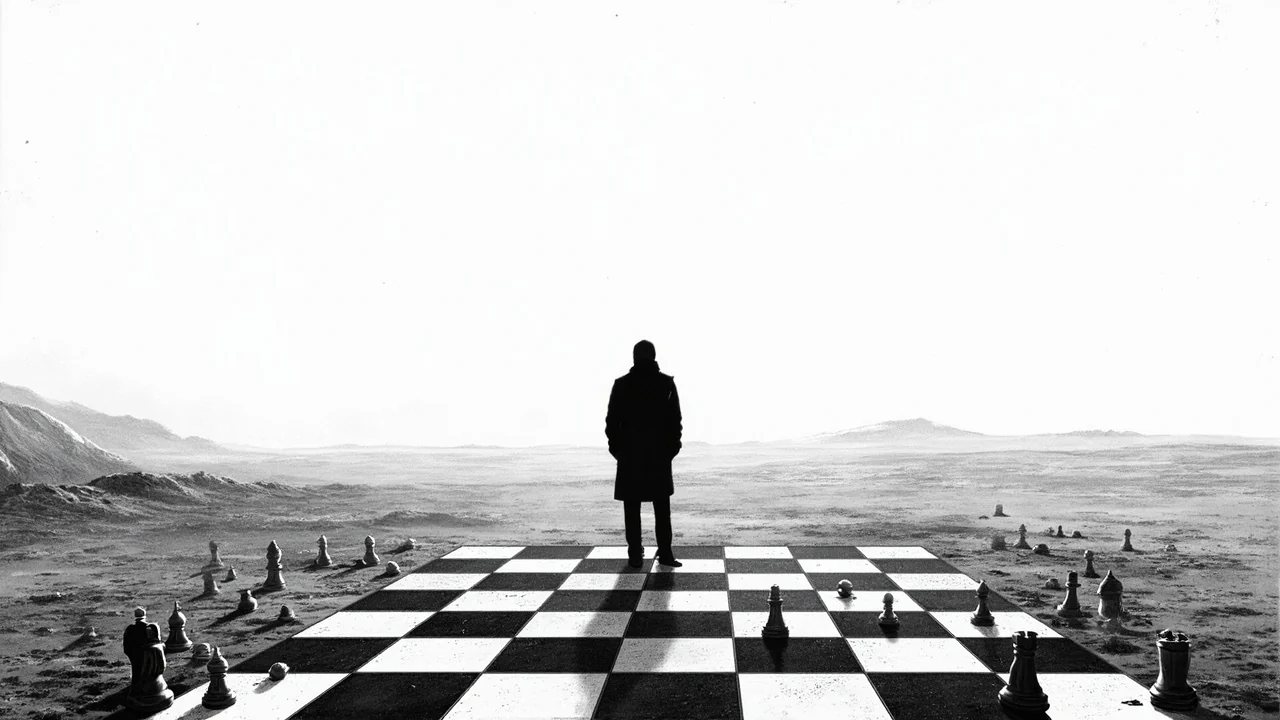
Iceland's most bizarre criminal case remains unresolved seven years after a drug package arrived at the national chess federation. The so-called 'Chess Scandal' involved five kilograms of amphetamines shipped from Spain in January 2017, triggering a police raid on the Icelandic Chess Federation's Reykjavik office. The case later intertwined with a mysterious fall in Spain that left a woman paralyzed, an incident authorities never fully explained.
"There was absolutely insane interest in this case," says journalist Sunna Sæmundsdóttir, who covered the story extensively. "I think this is among the bigger cases that have emerged in recent years because it is so multifaceted and has so many angles." The third episode of a new investigative series revisits the sprawling saga, highlighting its enduring puzzles.
A Raid That Shocked The Sporting World
Police operations began in January 2018. Officers targeted two Icelandic men in their thirties suspected of importing significant drug quantities. A special police unit conducted searches at two locations in the capital region, including the restaurant Hvíti riddarinn in Mosfellsbær. Although Icelandic Chess Federation staff were not directly implicated, the federation's headquarters were evacuated during the operation. The seizure of five kilos of amphetamines marked one of the largest drug busts linked to a sporting institution in Nordic history.
The choice of the chess federation as a delivery address baffled investigators and the public. It pointed to either sophisticated misuse of an unsuspecting organization or a catastrophic error by the traffickers. The incident damaged the federation's reputation, forcing officials to publicly distance the sport from criminal activity. This aspect of the case reflects broader Nordic concerns about organized crime infiltrating legitimate institutions.
The Spanish Fall: A Paralysis Without Answers
A stranger twist emerged later. The ex-wife of one of the accused men fell between floors at their home in Spain. She was left paralyzed. What exactly happened during that fall has never been revealed to the public. Icelandic and Spanish authorities investigated, but the circumstances remain classified within the ongoing legal case. This personal tragedy added a layer of human suffering to the complex criminal proceedings.
The lack of transparency around the fall fuels speculation. Some observers question if it was a genuine accident, an act of violence, or something else entirely. The woman's paralysis and the unresolved nature of the incident create a dark shadow over the entire affair. It represents a personal cost often overlooked in discussions of international drug trafficking.
Legal Proceedings and Environmental Costs
The case underscores the environmental footprint of global drug trafficking. Manufacturing five kilograms of amphetamines requires significant chemical precursors, often resulting in toxic waste. The shipment's journey from Spain to Iceland involved carbon emissions from air or sea freight, part of the hidden ecological cost of the illegal drug trade. While Iceland focuses on its green energy transition, cases like this reveal how global crime networks undermine environmental goals.
From a political perspective, the scandal prompted Althing members to question border security and postal monitoring. "This case exposed vulnerabilities in our import control systems," said one Center Party lawmaker at the time. It sparked debates about balancing privacy with security, a recurring theme in the Nordic Council's justice and home affairs discussions. The incident showed how small nations remain susceptible to international criminal schemes.
Nordic Cooperation Against Trafficking
The Chess Scandal likely involved cross-border coordination between Icelandic, Spanish, and possibly other European authorities. It serves as a case study for the Nordic Council's efforts to improve judicial and police cooperation. Drug trafficking routes increasingly target the Nordic region due to its high prices and relative wealth. Iceland's geographical isolation offers no protection from these networks.
Similar cases have occurred in Norway and Sweden, where criminals have used legitimate businesses as fronts. The Nordic response has been to strengthen shared intelligence databases and harmonize legislation. However, the Icelandic case demonstrates that determined traffickers can still exploit any weak link, whether a postal service or an unsuspecting organization.
Why The Mystery Endures
Seven years later, key questions remain unanswered. Who intended to receive the drugs at the chess federation? Was the address chosen deliberately or by mistake? What truly happened during the fall in Spain? The judicial process has provided some answers regarding the drug importation itself, but the full narrative remains incomplete. This lack of closure is frustrating for the public and damaging for those indirectly affected.
The case's complexity, spanning multiple countries and involving severe personal injury, makes it difficult to fully resolve. Some information may be sealed for privacy reasons or to protect ongoing investigative techniques. The mystery endures because it touches on human error, international crime, personal tragedy, and institutional vulnerability.
Lasting Impact on Iceland's Image
Iceland markets itself globally as a safe, clean, and transparent society. The Chess Scandal, with its elements of international drug trafficking and unexplained violence, challenges that narrative. It reveals the same criminal pressures facing larger European nations. For Reykjavik's residents, it was a jarring reminder that no community is immune.
The case also impacted Iceland's sporting community. The chess federation worked hard to rebuild its reputation, emphasizing its grassroots programs for youth in neighborhoods like Breiðholt and Árbær. The incident serves as a cautionary tale for all Icelandic associations about verifying their mail and monitoring their premises.
Ultimately, the Chess Scandal is more than a drug bust. It is a story about how a single package can unravel lives, damage institutions, and leave a trail of unanswered questions across continents. Until the full truth about the Spanish fall and the intended recipient emerges, the case will remain a puzzling chapter in Iceland's recent history. It shows that even in a nation known for its low crime rate, complex mysteries can take years to unfold—and some may never be fully solved.