
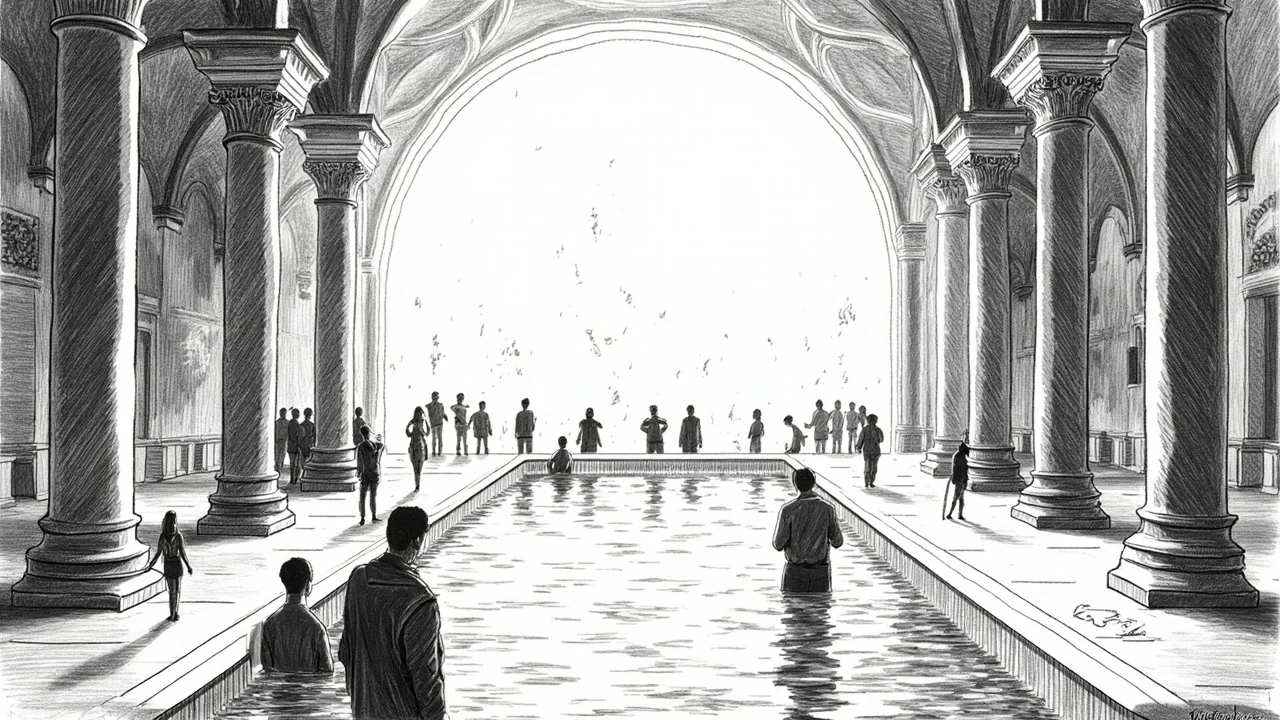
Iceland's iconic Sundhöll Reykjavíkur swimming pool has closed its indoor and children's sections due to a critical ventilation system failure. The city of Reykjavík announced the immediate closure, stating conditions are unsafe for both guests and staff. This shutdown highlights the persistent infrastructure challenges facing Iceland's cherished public geothermal network.
"Conditions are not safe, neither for guests nor staff, and therefore the indoor and children's pool of the Sundhöll will be closed until the ventilation is repaired," city officials said in a statement. The failure's cause remains unknown. All other facilities at the 87-year-old complex remain open, including three hot pots, a cold pot, a wading pool, the outdoor pool, a steam bath, and a sauna.
A National Institution Compromised
Sundhöll Reykjavíkur is not just any pool. Opened in 1937, it is the oldest public swimming pool in Iceland's capital. Its distinctive functionalist architecture, with its long outdoor lap pool, is a landmark in the 101 Reykjavík district. For generations, it has served as a community hub where politicians, artists, and families mingle. The closure of its indoor sections, especially as colder autumn weather approaches, disrupts a vital daily ritual for hundreds of residents.
"This is where the city meets. You discuss everything from local politics to the latest football match in the hot pots," says Althing member Birgitta Jónsdóttir, a regular user. "The closure, even partial, is a blow to community life in the old city center. It raises serious questions about our investment in maintaining these cultural assets." The incident exposes the tension between preserving historic infrastructure and meeting modern safety and environmental standards.
The Geothermal Lifeline Under Strain
Iceland's network of over 170 public swimming pools is fundamentally tied to the nation's geothermal energy identity. They are subsidized, affordable spaces for recreation, rehabilitation, and social connection. However, many facilities, especially in Reykjavík, are aging. The Sundhöll's ventilation breakdown is symptomatic of a wider, slow-moving crisis.
Maintenance is a constant challenge for the Reykjavík municipal government. Pools operate in highly corrosive environments due to chlorine and humidity, putting immense strain on mechanical and electrical systems. Budgets are perpetually stretched between necessary upgrades, rising energy costs, and the political desire to keep entry fees low. A major failure like this forces those priorities into stark relief.
"We are balancing on a knife's edge," admits a city engineer familiar with the pool systems, speaking on condition of anonymity. "Many systems are decades old, and replacement parts are often obsolete. A proactive replacement program is costly, but reactive closures like this are also costly and damage public trust." The financial impact includes not just repair costs but also lost revenue and potential liability.
Political Ripples in Reykjavík's Municipal Waters
The timing of the closure is politically sensitive. Reykjavík's city council, led by a broad coalition, faces ongoing scrutiny over its management of public services and infrastructure projects. Opposition councilors are quick to frame the incident as a failure of foresight and investment.
"This is what happens when maintenance is deferred year after year," claims opposition councilor Halldór Halldórsson. "We pride ourselves on our geothermal culture, but the infrastructure supporting it is crumbling. The Sundhöll is a symbol of Reykjavík. We need a comprehensive audit of all our pool facilities before we have a more serious incident."
The city's statement emphasized that other areas of the Sundhöll are safe and open, a move analysts see as an attempt to contain public concern. However, the specific mention of danger to "staff" is significant. Iceland has strong labor unions, and unsafe working conditions are a serious legal and reputational issue for the municipality.
A Nordic Perspective on Public Space
Viewed from a Nordic context, Iceland's pool crisis is unique yet familiar. While Sweden or Denmark might face similar challenges with aging public baths, Iceland's pools are more numerous per capita and more central to daily life due to their geothermal heating. They are a critical part of the welfare state model, promoting public health and social equality.
"In Norway, a similar closure would be a local issue. In Iceland, it feels like a national one," observes Nordic social policy researcher Dr. Elin Magnúsdóttir. "The pools are a key indicator of the health of Iceland's public sector. Their decline would signal a retreat from a core communal value. Other Nordic nations watch how Iceland handles this, as they face their own aging infrastructure dilemmas."
The Nordic model emphasizes high-quality, universally accessible public goods. The Sundhöll's partial closure tests that principle. Can Iceland afford to maintain this network at the standard citizens expect? The answer will require difficult choices about taxation, municipal budgeting, and the value placed on these non-commercial social spaces.
Looking Ahead: Repair and Reassessment
The immediate focus is on diagnosing and fixing the Sundhöll's ventilation system. City engineers are investigating, but no timeline for reopening has been given. Every day of closure inconveniences regular users, from children taking swimming lessons to elderly residents relying on the warm water for arthritis relief.
Longer term, this incident will likely fuel debates in the Althing about municipal funding and national heritage support. Some MPs are already calling for a special state fund to help preserve historically significant geothermal pools. Others argue this is purely a municipal responsibility.
The closure also impacts Reykjavík's tourism offering. While tourists flock to the Blue Lagoon and newer spas, many seek authentic experiences at local pools like the Sundhöll. A degraded experience or unreliable openings tarnish that image.
Ultimately, the broken ventilation at Sundhöll Reykjavíkur is more than a mechanical fault. It is a stress test for Iceland's commitment to its geothermal social heritage. The steam rising from its outdoor pool is a visible symbol of Icelandic identity. Keeping that steam rising, safely and reliably, is now a pressing and complex challenge for Reykjavík's leaders. The nation will be watching to see if they can fix the problem before public confidence drains away.