
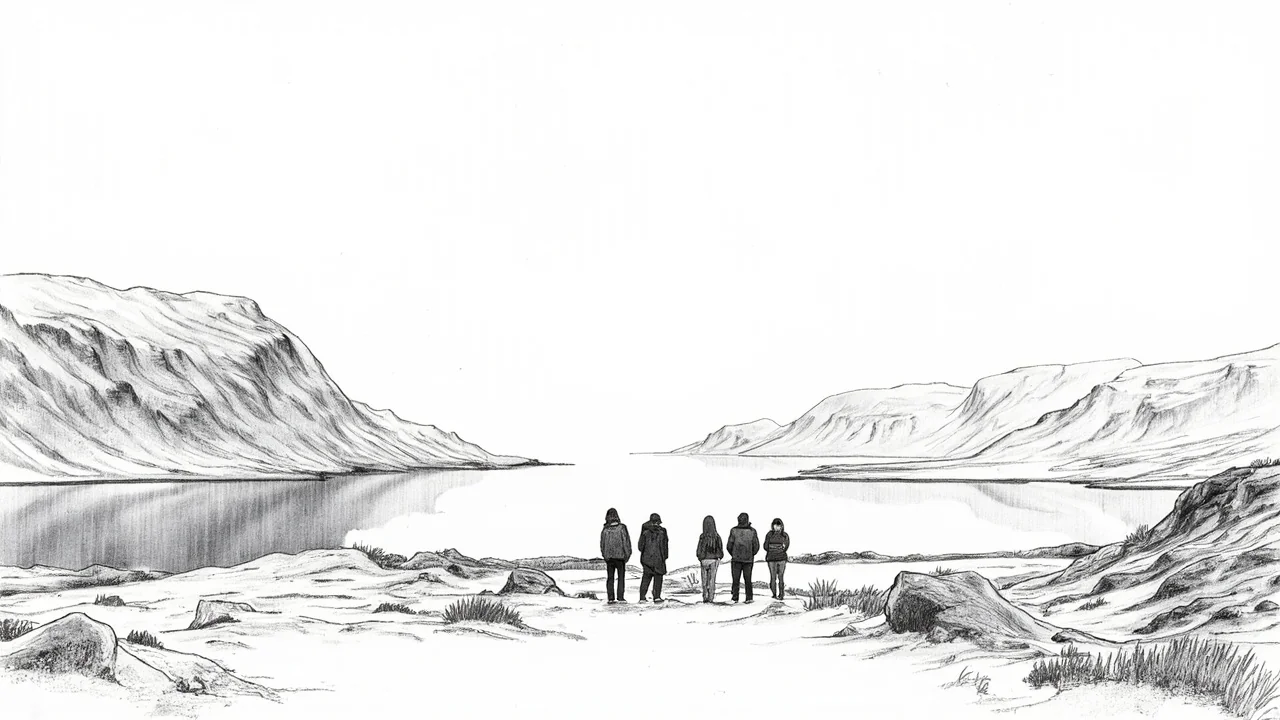
Iceland's new Nature Conservation Agency has compiled an unexpected record in its inaugural year. The government body, which began operations on January 1, 2025, has simultaneously opened multiple award-winning visitor centers while taking on management of approximately 130 protected sites. This rapid start challenges typical narratives of bureaucratic inertia. "This has been a huge formative year," said agency director Sigrún Ágústsdóttir. "What has been incredibly fun and just fantastic is that this was also a big harvest year."
Sigrún, speaking from the agency's headquarters in Hvolsvöllur, highlighted three specific openings that garnered national design honors. New exhibitions at Kirkjubæjarklaustur in South Iceland, in the Mývatn region in the North, and at Hellissandur on the Snæfellsnes peninsula all received the "Best Investment 2025" design award. This trifecta of recognition in a single year is rare for a public institution.
From Fragmented Management to Unified Agency
The Náttúruverndarstofnun, or Nature Conservation Agency, represents a significant consolidation of Iceland's environmental governance. It operates under the Ministry of the Environment, Energy and Climate and assumes responsibilities for nature protection, biodiversity, and hunting/fisheries management. Previously, these duties were scattered across different entities. Its creation signals the Althing's increased focus on a coherent environmental strategy as climate and tourism pressures mount.
The agency's broad mandate is critical. It now manages all of Iceland's protected areas except for the iconic Þingvellir National Park, a UNESCO site. This includes vast volcanic deserts, sensitive highland ecosystems, coastal bird cliffs, and unique geothermal zones. Centralizing management aims to standardize protection levels and public access rules across the country, a move long advocated by environmental NGOs.
A Design-Led Strategy for Public Engagement
The decision to launch with a focus on high-quality visitor centers is a deliberate strategic choice. In a country where tourism is a primary economic force, the agency is using design and education as primary conservation tools. "Behind this is, naturally, a tremendous amount of passion from the staff and expertise," Sigrún explained. "They put all their knowledge into the exhibitions and bring in excellent designers to bring them to life."
This approach seeks to foster a deeper public understanding of Iceland's fragile landscapes. The center at Mývatn, for instance, educates visitors on the complex limnology of the lake region and the threats posed by unsustainable foot traffic. The Hellissandur exhibition on the Snæfellsnes peninsula likely focuses on coastal and marine ecology, tying into Iceland's crucial fishing industry. By making science accessible, the agency hopes to cultivate more responsible tourism.
Sigrún enthusiastically recommends Icelanders and international visitors alike prioritize these sites. "I urge everyone to check out these exhibitions," she said, laughing. "Just dedicate 2026 to it." The push for physical visitation is notable in a digital age, emphasizing the irreplaceable value of firsthand experience.
The Challenge of Scale and Expectations
The agency's first-year success sets a high bar for future performance. Managing 130 sites with a likely constrained public budget is a formidable logistical task. Protection duties range from maintaining simple walking paths to monitoring sensitive wildlife breeding grounds and enforcing regulations against off-road driving, a persistent problem in Iceland's wilderness.
Furthermore, the agency must balance access with preservation. The "harvest year" of openings increases public engagement but also risks attracting more visitors to delicate areas. The true test will be whether the agency can implement carrying capacity limits and seasonal closures where necessary, even if such measures prove unpopular with local tourism businesses.
Another challenge lies in its fisheries and hunting management role. This pits the agency directly in the center of Iceland's most traditional and powerful economic interests. Decisions on salmon river quotas or capelin fishing limits will be intensely scrutinized. The agency's ability to enforce scientific recommendations over political or industry pressure will be a key measure of its independence and long-term effectiveness.
A Nordic Model in the Making?
Iceland's consolidation mirrors trends in other Nordic nations, which have long combined conservation with public access under a "right of public access" (allemansrätten) ethos. However, Iceland faces unique pressures. Its geological newness makes ecosystems exceptionally vulnerable. Tourism numbers per capita are among the highest in the world. Climate change impacts, from melting glaciers to shifting marine currents, are acutely felt.
The agency's design-forward, public-facing start suggests it is looking to build a strong base of popular support. This political capital may prove essential when it must make difficult, potentially unpopular conservation decisions in the years ahead. By first demonstrating value through education and aesthetic excellence, it builds credibility.
The Nordic cooperation angle is also pertinent. Iceland can look to the Swedish Environmental Protection Agency (Naturvårdsverket) or the Norwegian Environment Agency (Miljødirektoratet) for models of integrated management. Yet, Iceland's small population and vast territory create a distinct operational challenge. Success here could establish a new model for sparsely populated nations with massive natural heritage.
The Road Ahead for Iceland's Landscapes
The Náttúruverndarstofnun's celebrated first year is just the opening chapter. The real work of on-the-ground protection, data-driven management, and navigating the intersection of economic and environmental policy lies ahead. Its success will be measured not by awards, but by the health of Iceland's ecosystems in a decade.
Key indicators will include trends in soil erosion near popular sites, population stability of endemic bird species, and the ecological status of its freshwater systems. The agency must also develop a clear voice within the Althing, advocating for stronger legal protections and sustainable budget allocations.
For now, the agency has momentum. It has shown that a government body can act with creativity and speed. As Sigrún Ágústsdóttir and her team look to 2026, the task shifts from establishment to endurance. Can this new institution become the steadfast guardian Iceland's extraordinary nature requires? The answer will shape the very landscape of the country.