
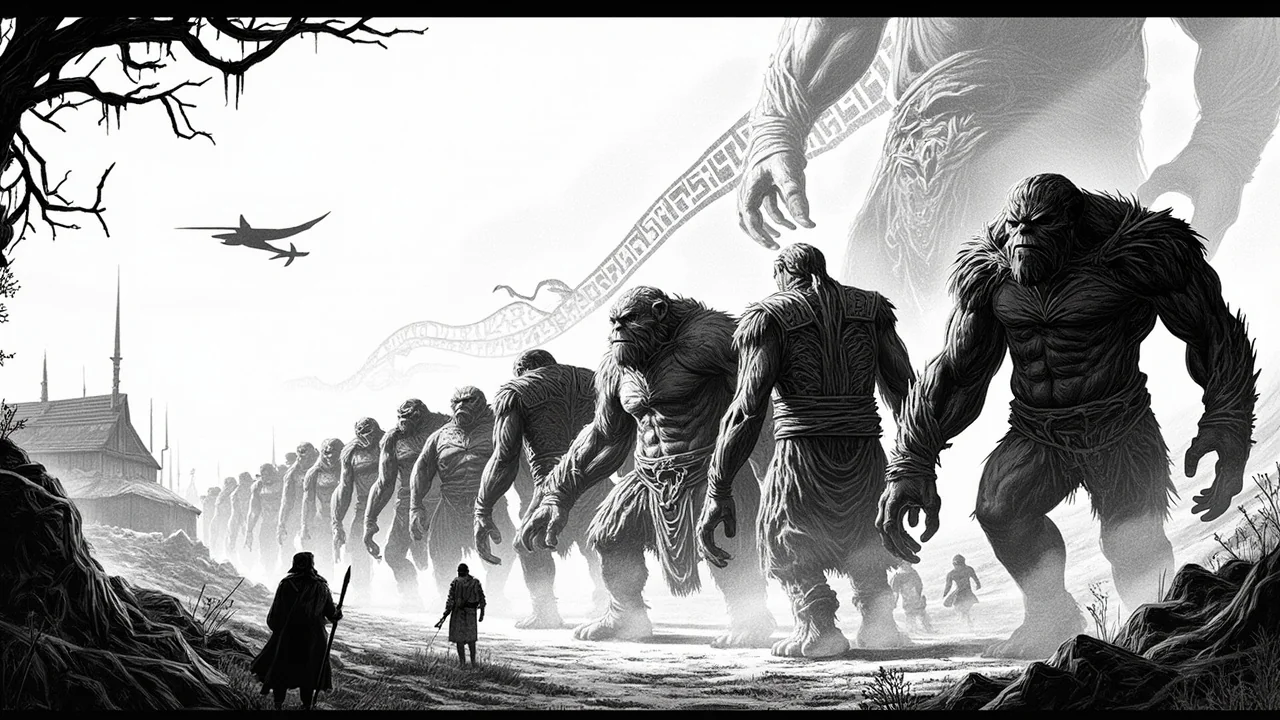
Iceland's Westman Islands transform this weekend for a unique Thirteenth Night festival described as the nation's largest family celebration. While mainland Iceland observed the traditional Twelfth Night holiday on January 6th, the island community of Vestmannaeyjar holds its massive 'Þrettándinn' festivities this weekend, coinciding with an official presidential visit. Organizers call it a winter festival unlike any other, centered around a legendary parade of hundreds of handmade trolls.
“There is nothing else like it in the whole country,” said Kristleifur Guðmundsson, foreman of the Herjólfur ferry and manager of the so-called troll workshop. He receives a week off annually to prepare for the event. The festival schedule includes a Grímuball dance today, a Thirteenth Night ball this evening, and a grand finale tomorrow featuring a fireworks display, torchlight procession, bonfire, and the iconic troll march.
A Community Effort in the Troll Workshop
The heart of the celebration beats within the community's troll workshop, where approximately one hundred unique troll figures are crafted. This tradition stretches back generations, forming a core part of local identity. “This has been going on for a million years,” Guðmundsson remarked, emphasizing its deep roots. “You really just have to experience it to understand how magnificent it is.” The workshop becomes a hive of volunteer activity for weeks, with residents of all ages contributing to building, painting, and costuming the large papier-mâché and wooden creatures. This collective effort strengthens community bonds, a vital aspect of island life where weathering North Atlantic storms together fosters a distinct solidarity.
Presidential Presence and Political Symbolism
The timing of the festival holds added significance this year with the official visit of President Halla Tómasdóttir and First Gentleman Björn Skúlason. Their participation is more than ceremonial. It underscores the cultural and political importance of Iceland's smaller, remote communities. The President’s presence at a festival that deliberately resets the national calendar sends a powerful message of support for regional traditions. It highlights a recurring tension in Icelandic politics between centralized Reykjavik governance and the distinctive needs and identities of outlying regions, from the fishing-dependent Westfjords to the powerful geothermal communities of the Northeast.
Analysts note such visits are crucial for maintaining national cohesion. “When the President attends a local festival in the Westman Islands, it’s a recognition that Iceland’s culture is not monolithic,” observed a political commentator from the University of Iceland. “It validates the right of communities to uphold their own variations of national traditions, which is essential in a nation where geography can create profound isolation.”
The Environmental Backdrop of Celebration
Even a cultural festival exists within Iceland’s dominant environmental context. The Westman Islands' economy, heavily reliant on fishing and aquaculture, is directly tied to the health of the surrounding ocean. The theme of trolls—mythical beings deeply connected to the Icelandic landscape in folklore—resonates with growing national conversations about nature conservation and sustainable resource use. While the festival is a celebration, it unconsciously echoes a broader Nordic trend of using cultural heritage to foster environmental stewardship.
The clean geothermal energy that powers much of Iceland's heating is a point of national pride, contrasting with the diesel generators sometimes necessary in remote islands. This festival, in its embrace of handmade crafts and community participation, presents a model of low-consumption cultural activity that aligns with Icelandic values of practicality and sustainability, even if that is not its stated purpose.
Nordic Parallels in Cultural Preservation
Iceland’s festival finds echoes across the Nordic region, where isolated communities fiercely guard unique traditions. Similar events include Norway’s Sankthans (Midsummer) celebrations in coastal fishing villages and the distinct Lucia Day processions in different Swedish towns. What sets the Westman Islands apart is the scale of the community mobilization and the creation of the troll figures, a tangible, artistic output renewed yearly.
This tradition operates as a powerful antidote to cultural homogenization. In an era of global streaming and digital connectivity, the physical act of parading hand-built trolls through a small island town is a defiant statement of local identity. It demonstrates how Nordic societies actively use folklore not just as history, but as a living, participatory practice to maintain social cohesion and intergenerational connection.
The Economic and Social Fabric
Beyond symbolism, the festival has a tangible economic impact. It draws some domestic tourism during a quiet winter period, providing a boost to local guesthouses, restaurants, and shops. The preparation itself functions as a social project, engaging youth and providing a creative outlet during the dark winter months. For a community still healing from the profound trauma of the 1973 Eldfell volcanic eruption, which forced the evacuation of the entire island, such traditions are pillars of resilience. They are a celebration of survival and continuity on a rock in the Atlantic.
A Legacy Marching Forward
As the trolls take to the streets this weekend, followed by the presidential party and island residents, the event is more than a quirky local custom. It is a vibrant example of Icelandic particularism, a demonstration of community organizational capacity, and a subtle form of cultural diplomacy performed for the nation’s highest office. The festival’s success year after year, reliant entirely on volunteer enthusiasm, challenges the notion that such deep-rooted traditions are fading in the modern world.
In the end, the trolls of the Westman Islands are not just monsters from myth. They are symbols of a community’s ability to shape its own time, define its own celebrations, and command the attention of the nation, all while dancing to its own, very distinctive tune. As Iceland continues to navigate its role on the global stage—from climate action to tourism management—the strength found in these local traditions may be one of its most important and enduring resources. Can other communities, in Iceland and beyond, learn from this model of cultural sustainability? The trolls, in their silent, lumbering parade, seem to answer yes.