
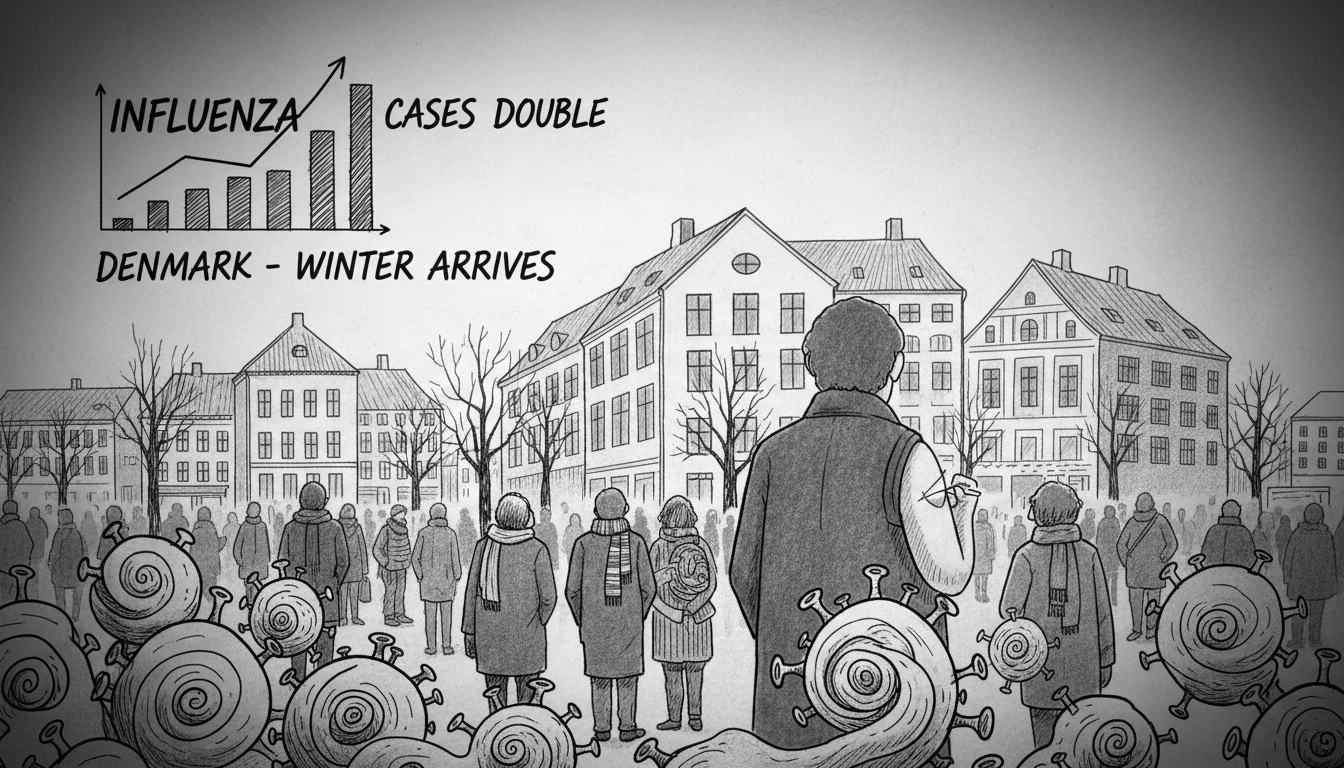
The cold Danish winter has firmly settled in, and with it comes the annual influenza season. New monitoring data reveals a sharp increase in flu cases across the country. The number of confirmed infections more than doubled in the most recent reporting week compared to the week before. This data comes from the national infectious disease agency's surveillance covering the final week of November. Despite this marked rise, health officials state the spread follows the expected seasonal curve and remains at an anticipated level. The agency confirmed the flu season has now begun, with case numbers and hospital admissions rising to a moderate level.
Vaccination efforts provide a critical counterpoint to the rising infection rates. The national vaccination program launched in early October. Among elderly care home residents, coverage had reached 84 percent by the start of the 49th week of the year. This represents a substantial increase from under 60 percent coverage at the beginning of November. For the broader population aged 65 and older, seven out of ten individuals were vaccinated by that same late-November date, up from just four out of ten a month prior. This rapid uptake highlights the focused effort within Denmark's welfare system to protect its most vulnerable citizens during the winter months.
This annual public health challenge tests the resilience of the Danish welfare system and its integrated social policy. High vaccination rates, especially in institutional settings, are not accidental. They result from a coordinated municipal effort combining clear communication, accessible healthcare, and a strong societal emphasis on preventative care. Community health centers and general practitioners play a central role in this rollout. The system's design, which heavily involves local municipalities in health service delivery, facilitates a rapid and targeted response. This is a practical example of Danish social policy in action, aiming to prevent overcrowding in hospitals and protect public health infrastructure.
Other respiratory viruses are also circulating. Cases of RS-virus, a cold-like virus that typically affects young children and the elderly, saw a slight increase in the same period. Officials note, however, that the total number of RS-virus cases and related hospital admissions remain at a very low level. Meanwhile, Covid-19 infection rates and hospitalizations have held steady in recent weeks, maintaining a moderate level consistent with the established post-pandemic pattern. The concurrent management of multiple respiratory pathogens is the new normal for health authorities.
From an integration perspective, seasonal health campaigns are a touchpoint for Denmark's diverse population. Public health messaging must reach everyone, regardless of language or cultural background. Local social centers in cities like Copenhagen often become hubs for disseminating information in multiple languages and assisting with vaccine access. The success of the vaccination drive among seniors suggests these channels are functioning, but it also raises questions. Are vaccination rates equally high among elderly immigrants? Does everyone in the community have the same access to information about the free flu vaccine? These are the subtle integration challenges embedded within broader social policies.
The coming weeks will be telling. If the flu curve continues to follow its predictable path, the Danish system's preparedness will be validated. The high early vaccination coverage among the elderly is a positive indicator. Yet, the real test lies in whether hospitalizations can be kept manageable, preventing undue strain on the healthcare workforce. For international observers, Denmark offers a case study in proactive, municipally-driven public health management within a universal welfare framework. The focus now shifts to sustaining this momentum and ensuring the winter burden is shared as lightly as possible across society.