
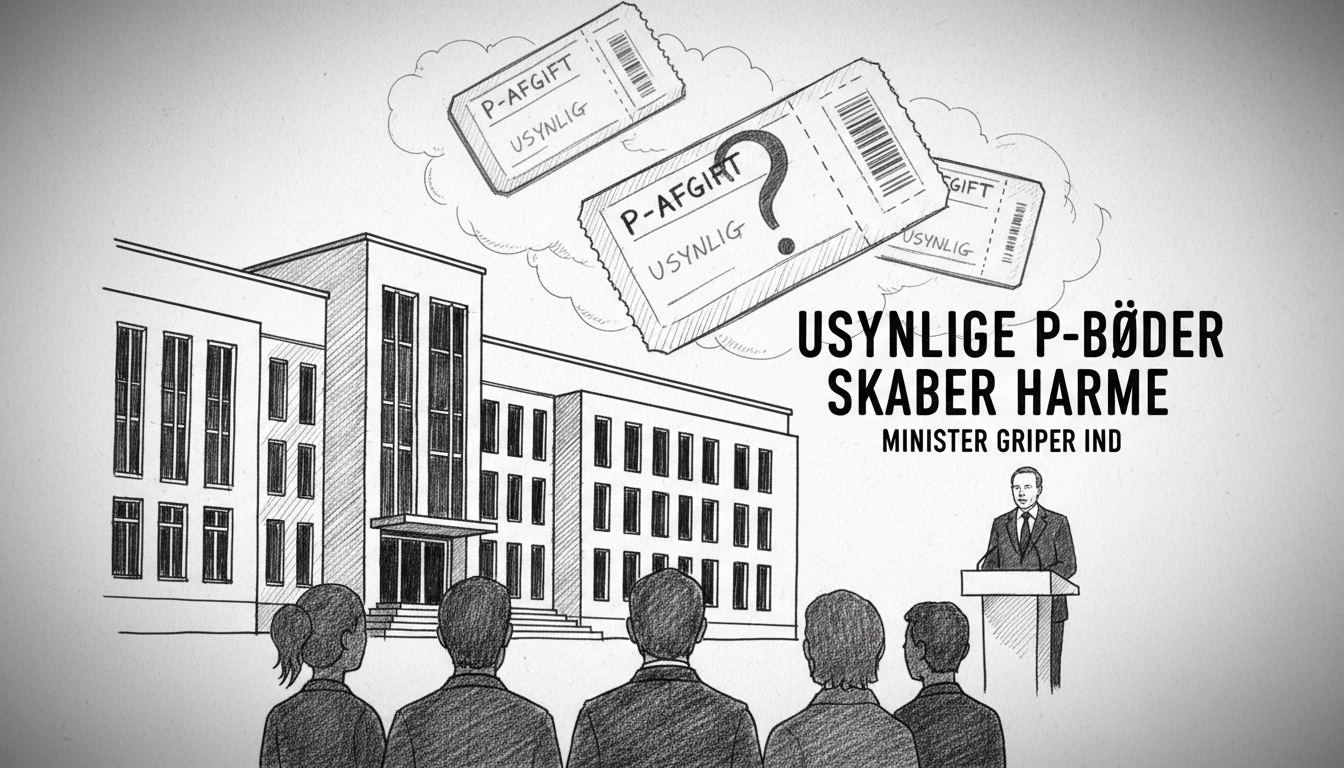
A wave of public anger over so-called 'invisible' parking fines has crashed into the Danish Transport Ministry. More than five hundred formal complaints have landed on the desk of Transport Minister Thomas Danielsen in a single day. The minister is now gathering ammunition for a crackdown on private parking companies. This public backlash highlights a growing tension between private enforcement and citizen trust in Denmark's highly regulated society.
Private parking firms issue these fines using automated systems, often with minimal visible signage. Motorists discover the penalty only when a formal notice arrives by post, sometimes weeks later. The system feels opaque and unfair to many Danes. Minister Danielsen has publicly aligned himself with the complainants, stating his intention to stop the practice. His ministry confirmed the receipt of over five hundred individual cases by Tuesday evening, illustrating the scale of the discontent.
This conflict sits at a curious intersection of Danish social policy and market principles. Denmark operates a robust welfare system built on transparency and rule-of-law. The introduction of private, profit-driven enforcement in public spaces creates a friction point. Citizens expect clear, consistent rules from their municipalities, not surprises from external companies. The situation tests the boundaries of how public order is maintained in an era of outsourcing.
Community leaders in Copenhagen and other urban areas have long noted tensions around parking. Social centers and local councils frequently hear grievances about traffic and urban planning. This latest uproar over fines taps into a broader discussion about integration into urban life and the fairness of systemic penalties. For new residents and internationals navigating Danish rules, unclear enforcement can feel like a trap, undermining efforts to participate fully in society.
What happens next? The minister's strong stance suggests regulatory intervention is likely. Options could include mandating clearer signage, imposing stricter oversight on private operators, or even revisiting the legal framework that allows these fines. The government's response will be a test of its commitment to consumer protection within its famed social contract. The sheer volume of complaints makes this a political issue, not just a bureaucratic one. It is a clear case of the system listening only after citizens shout in unison.
The story is fundamentally about perceived justice. Danes accept rules but demand they be applied fairly and visibly. When a process seems hidden, it erodes the communal trust that the Danish social model relies upon. The minister's reaction shows he understands this social contract is at stake. The coming political and regulatory moves will reveal how Denmark balances market efficiency with its foundational principle of transparent governance.