
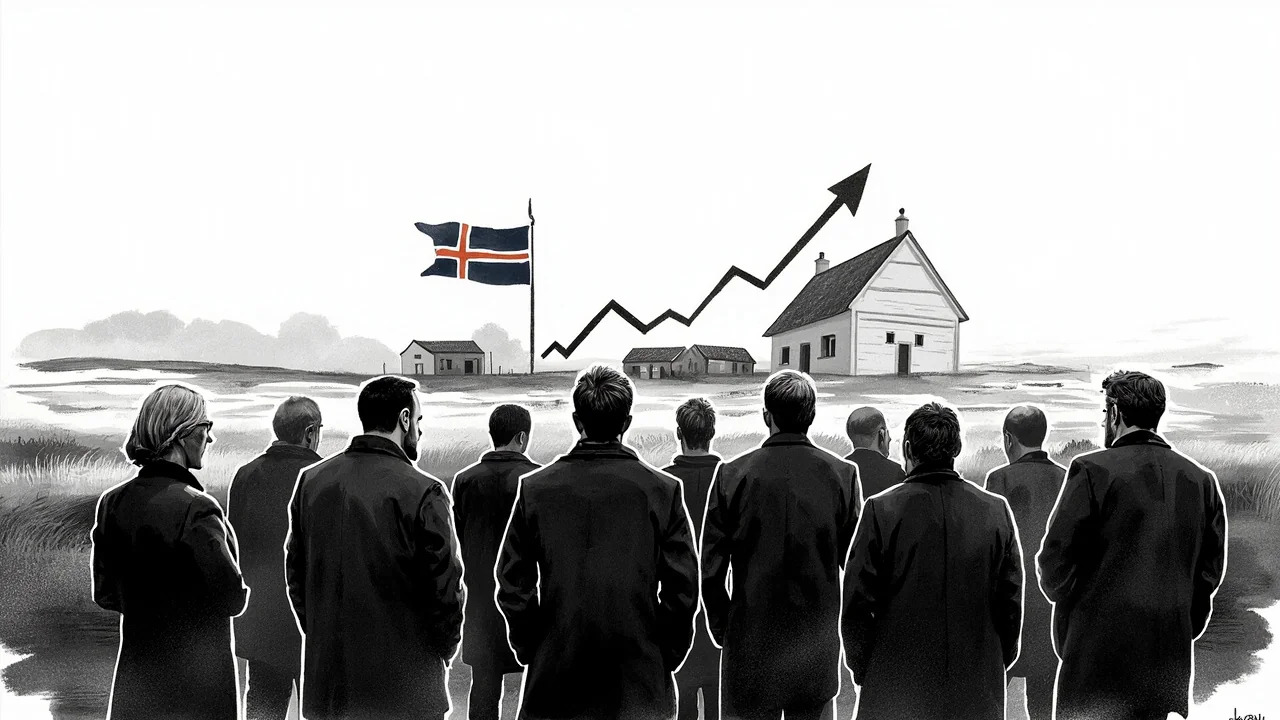
Iceland's Centre Party has surged to over 22% support in recent polls. This places them just five percentage points behind the leading Social Democratic Alliance. The gain marks a 10% increase since the November 2024 parliamentary elections. Snorra Másson, the party's vice-chairman, expressed the weight of this momentum. "It's not without that it goes over a person in some sense," Másson said. "You feel the pressure and the expectations from society."
Polling Surge Shakes Reykkjavik
The latest poll shows Miðflokkurinn with roughly 22.5% voter support. The Social Democratic Alliance (Samfylkingin) polls at about 27.5%. This gap has narrowed significantly since the last national vote. Support for the Alliance has risen by 6.2% in the same period. These numbers are reshaping the political landscape in Reykjavik's Althing district. Másson attributes the rise to a clear message from the party. He says members have traveled widely across Iceland in recent weeks. They have held well-attended meetings in regions from the Westfjords to the East.
A Mandate for Political Change
Snorra Másson spoke from the Althing building in Reykjavik. He described a palpable demand for different politics. "I truly feel a call for changed politics," Másson stated. The Centre Party's platform often emphasizes rural and regional interests. This includes issues like sustainable fishing quotas and geothermal energy management. The party's rise suggests growing voter concern over resource allocation. It signals a shift away from the capital-centric policies of recent years. This trend could impact upcoming debates on Iceland's environmental governance.
Environmental Stakes in the Balance
Iceland's economy and identity are tied to its natural resources. The fishing industry employs thousands in coastal towns like Akranes and Hafnarfjörður. Geothermal energy powers nearly 90% of Icelandic homes. Political shifts in the Althing directly affect these sectors. The Centre Party's growing influence may prioritize regional energy projects. It could also advocate for stricter local oversight of fishing grounds. This contrasts with broader, state-led environmental strategies. The party's stance will be crucial in future Nordic cooperation on climate issues.
Nordic Cooperation in View
Iceland frequently partners with Nordic nations on environmental initiatives. Projects focus on clean energy and sustainable fisheries. A stronger Centre Party in the Althing could alter Iceland's negotiation stance. The party may push for agreements that benefit Icelandic regions directly. This includes technology sharing for geothermal development in areas like Reykjanes. It also involves joint marine conservation efforts in the North Atlantic. The political recalibration in Reykjavik is being watched in Oslo and Copenhagen. It could redefine Iceland's role in the Nordic Council's green transition plans.
The Human Impact of Rising Support
Snorra Másson conveyed the personal significance of the poll numbers. "We feel the expectations that we can actually gain influence and change politics," he said. The Centre Party's campaign has resonated beyond traditional strongholds. Voters in Reykjavik's suburban districts are responding to their message. This indicates a broader dissatisfaction with the status quo. The party's focus on tangible, local issues is cutting through national noise. Their rise reflects a desire for political clarity and actionable plans. It is a response to years of centralized decision-making in the capital.
Analyzing the Political Shift
The Centre Party's 10% gain since November is unprecedented in recent Icelandic politics. It suggests a volatile electorate seeking new alternatives. The Social Democratic Alliance's more modest rise shows it retains a core base. However, the narrowing gap introduces uncertainty for the ruling coalition. This poll was conducted weeks after the last election. It captures a rapid shift in public sentiment. The data implies that Icelanders are impatient for tangible results. They are rewarding parties that speak directly to regional and economic concerns. This environment-first lens is becoming a key political differentiator.
A Nation at a Crossroads
Iceland stands at a political and environmental crossroads. The Centre Party's rise underscores a demand for balanced growth. It highlights the tension between Reykjavik's policies and regional needs. The party's ability to maintain this support will depend on clear policies. They must address both economic stability and ecological sustainability. As Snorra Másson noted, the pressure is on to deliver real change. The world is watching how Iceland manages its unique natural heritage. This poll may be the first step in a new chapter for Icelandic democracy.