
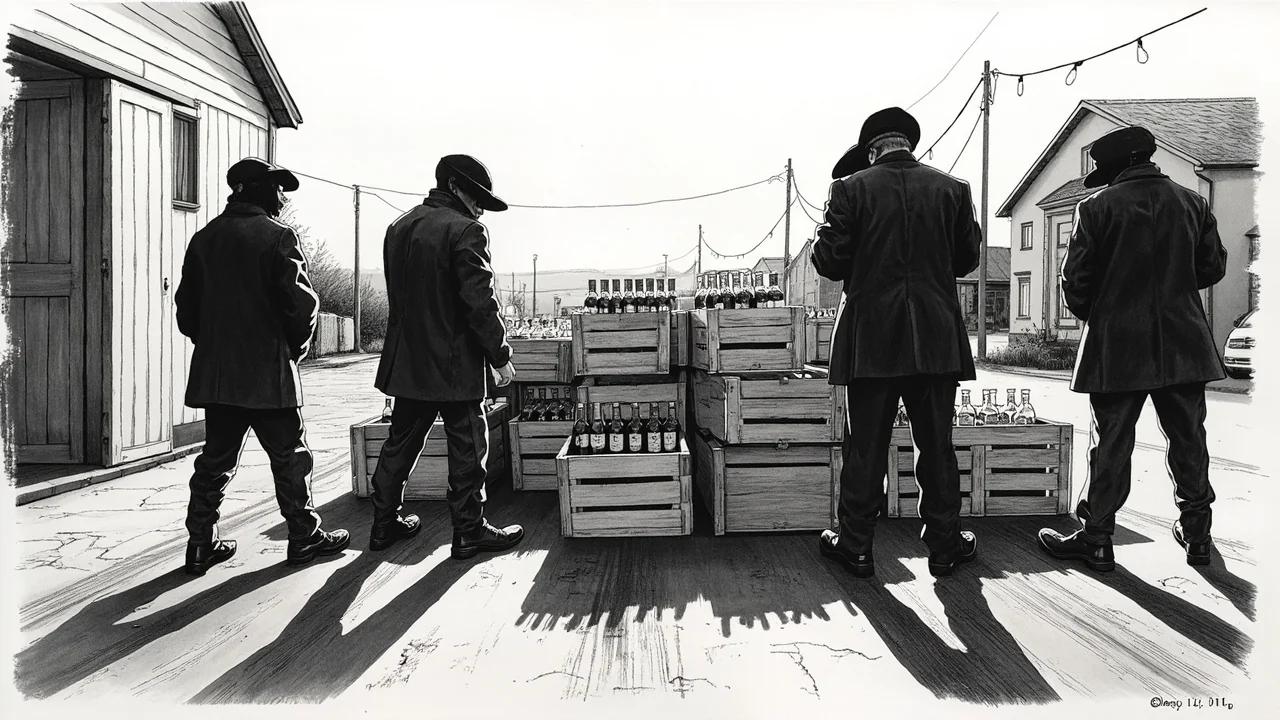
Icelandic police have halted the sale and distribution of alcohol from a residential property in Kópavogur. The Metropolitan Police arrested three individuals during the operation on Monday. All three were taken to a police station for questioning and later released. This action marks a significant enforcement of Iceland's strict alcohol laws. The Kópavogur case highlights ongoing tensions between state control and black-market demand.
The Kópavogur Raid
Police conducted the raid as part of an investigation into violations of alcohol, food, and customs laws. Authorities seized a considerable amount of alcohol at the scene. The police issued a short statement confirming the operation but declined to provide further details. This lack of information is standard during active investigations. The incident occurred in a residential building, indicating a shift from traditional retail violations.
Kópavogur, a major municipality within the Greater Reykjavik area, has seen similar enforcement actions before. The use of a home as a distribution point suggests sophisticated attempts to circumvent Iceland's retail monopoly. Police resources are increasingly focused on such clandestine operations. The release of suspects after questioning indicates the investigation's preliminary stage.
Iceland's Alcohol Control Framework
Iceland maintains one of the most restrictive alcohol retail systems in the Nordic region. The state-owned company Vínbúð holds a monopoly on all retail alcohol sales. This system aims to control consumption and minimize public health harms. High taxes and limited store hours are key features of this policy. The government argues it reduces alcohol-related social and healthcare costs.
Public opinion on the monopoly is divided. Some citizens view it as an outdated form of paternalism. Others support it as a necessary public health measure. The black market thrives due to high prices and restricted access at Vínbúð outlets. Police operations like the one in Kópavogur target this illicit supply chain. These networks often import alcohol illegally to avoid high taxes.
A Pattern of Holiday Enforcement
This raid follows a pattern of increased police activity around major holidays. Around Christmas and New Year's, police closed several delivery points for online alcohol sales in the capital region. These closures were based on regulations governing alcohol sales on holidays. The timing of enforcement suggests a strategic approach to peak demand periods.
Holidays see a spike in both legal purchases and black-market activity. Police allocate additional resources to combat illegal sales during these times. The Kópavogur operation, while not during a holiday, fits into this broader enforcement rhythm. It signals that police vigilance is a year-round priority. The consistent application of these laws is a cornerstone of Iceland's alcohol policy.
The Legal and Social Context
The arrests were made for suspected breaches of multiple laws. The Alcohol Act strictly governs who can sell alcohol and under what conditions. The Food Act and Customs Act violations suggest possible issues with product origin or import duties. Combined charges often indicate a complex, organized operation rather than a simple one-off sale.
Convictions for such offenses can carry heavy fines and potential imprisonment. The social cost of alcohol abuse remains a potent political issue in Althing debates. Many lawmakers from across the spectrum defend the restrictive model. They cite Iceland's relatively low rates of alcohol-related disease compared to other Nordic countries. However, enforcement actions prove the system is under constant pressure.
Economic Drivers of the Black Market
The economic incentive for illegal alcohol sales is significant. Legal alcohol in Iceland carries some of the highest prices in Europe due to taxation. This price gap creates a lucrative opportunity for illegal importers and sellers. Consumers, particularly younger ones, may seek out cheaper alternatives. The black market fills this demand, operating through social networks and covert delivery services.
This underground economy represents lost tax revenue for the state. It also undermines the public health goals of the monopoly system. Police efforts aim to disrupt these networks' profitability and logistics. Each seizure, like the one in Kópavogur, is a financial blow to illegal operators. Yet the market persists, demonstrating the challenge of total control.
Analysis: Pressure on the Monopoly Model
The Kópavogur raid is more than a simple police bust. It reflects the enduring stress on Iceland's unique alcohol control model. The very existence of a sizable illegal trade questions the monopoly's effectiveness in curbing consumption. It shows that where there is demand, a supply will emerge, regardless of law.
Politically, each such operation is used by both defenders and critics of Vínbúð. Proponents argue it shows the system is actively protected and necessary. Critics contend it proves the policy is failing and creating crime. This debate is unlikely to be settled by a single incident in a Kópavogur apartment. However, it adds another data point to a long-running national conversation.
From a Nordic perspective, Iceland stands alone in its level of retail restriction. Neighbors like Denmark and Norway have more liberal private sales models, though with high taxes. Sweden's Systembolaget monopoly is often compared to Vínbúð, but with more store locations and longer hours. Iceland's geography and smaller population make its enforcement challenges distinct. The Kópavogur case is a distinctly Icelandic story of law, culture, and commerce.
Looking Ahead
The police investigation continues. Whether charges will be filed against the three individuals remains to be seen. The seized alcohol will be cataloged as evidence. The quantity and type may influence the severity of any potential charges. This case will likely proceed quietly through the legal system for months.
Future enforcement will undoubtedly follow. The economic drivers of the black market remain unchanged. Police will adapt their tactics as sellers change theirs. The Althing will continue to debate the monopoly's future, with events like this informing the discussion. For residents of Kópavogur and Reykjavik, the immediate effect is the removal of one source of illegal alcohol. The long-term effect is another reminder of the complex relationship Icelanders have with alcohol regulation.