
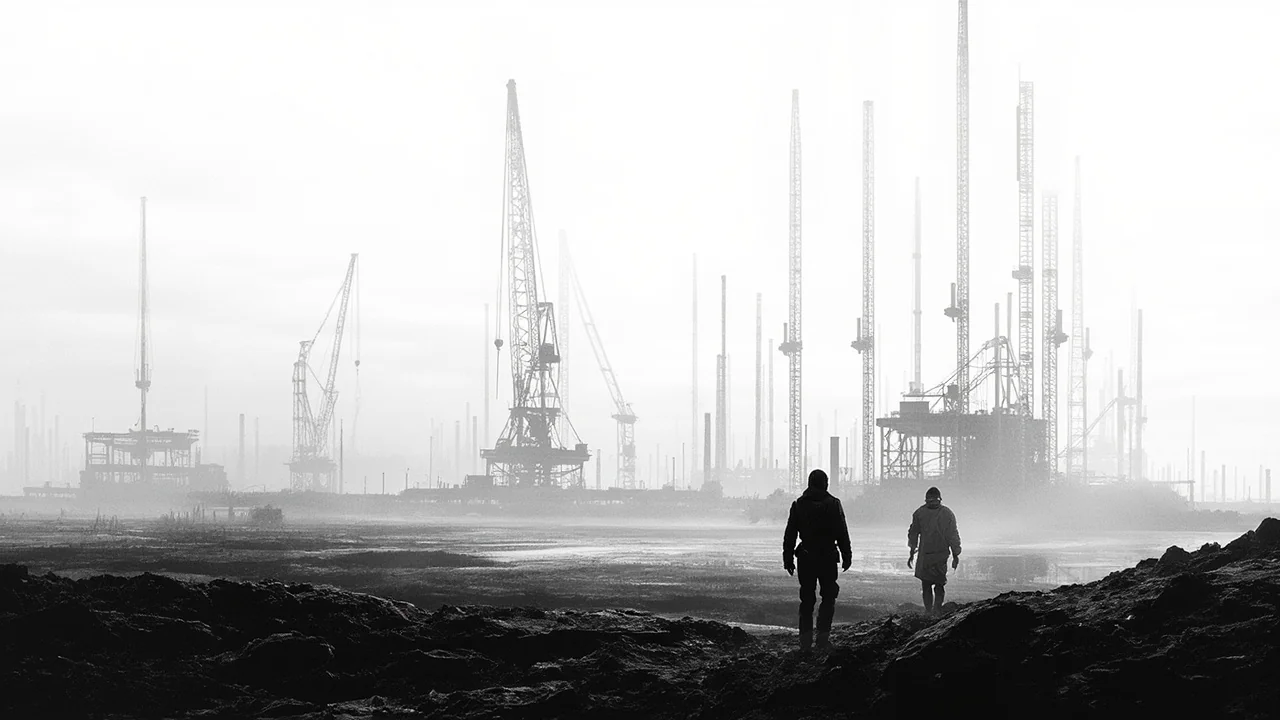
Iceland’s public sector is preparing to launch infrastructure projects worth 221 billion króna in 2026. This figure, announced at the Procurement Conference of the Federation of Icelandic Industries, represents a 53% increase from the 145 billion króna in contracts awarded in 2025. The forecast highlights a massive surge in state-led construction and energy spending, setting the stage for a heated political debate over priorities and environmental oversight.
The Major Drivers of Growth
The projected increase is driven almost entirely by three public entities: Landsvirkjun (the National Power Company), the New National University Hospital (NLSH), and the Public Construction Agency (FSRE). Together, these three bodies account for 146.7 billion króna, or 66%, of all planned procurements for 2026. Landsvirkjun alone forecasts tenders worth approximately 70 billion króna, nearly one-third of the total conference figure. This points directly to a major push in energy infrastructure, likely involving geothermal and hydropower developments crucial for data centers and green industry.
“The other participants of the conference plan to tender projects for less than 15 billion króna each,” the SI analysis stated, underscoring the concentrated nature of the coming spending. The New National University Hospital project accounts for 41 billion króna, while the Public Construction Agency plans tenders worth 35.7 billion króna. This concentration raises immediate questions about capacity within Iceland’s domestic construction and engineering sectors, which are already grappling with labor shortages and inflationary pressures.
Regional Impact and Capacity Concerns
Such a volume of work, centered on large-scale national projects, will have profound regional effects. Major Landsvirkjun projects are typically located outside the capital region, in areas like the Southern Highlands or East Iceland, where geothermal and hydropower resources are harnessed. This brings promised investment and jobs to rural municipalities but also intensifies long-standing conflicts between national energy needs and local environmental concerns. The hospital project, based in Reykjavik, will dominate construction in the capital for years.
The sheer scale begs the question of who will build it all. Iceland’s contractor community is limited. “This volume will test the limits of our domestic industry,” said a project manager for a mid-sized contractor, who asked not to be named ahead of the formal tender announcements. “We will see if the terms allow for collaboration and realistic timelines, or if we face the same cost overruns and delays that have plagued other megaprojects.” The risk is that overly ambitious schedules could lead to increased reliance on foreign sub-contractors and higher final costs for taxpayers.
Political and Environmental Reckoning Ahead
This spending forecast lands in a delicate political climate. The current coalition government has championed economic stability and green transition, but a 221 billion króna procurement wave will force difficult choices. Opposition MPs are already signaling scrutiny. “We must ask if this is the most strategic use of public capital,” said Sigurður Ingi Jóhannsson, chairman of the Progressive Party. “While infrastructure is needed, this scale of concentrated spending demands unparalleled transparency and a clear link to long-term national benefit, not just annual budgets.”
Environmental advocates are preparing for a busy year of impact assessments. Large Landsvirkjun projects, even for renewable energy, inevitably alter landscapes and ecosystems. The national debate will pivot on whether this accelerated development aligns with Iceland’s climate goals and preservation commitments. The Althing will likely see heated discussions on amending planning laws to either facilitate or better regulate this incoming tide of public works.
The Nordic Context and Economic Implications
Viewed from a Nordic perspective, Iceland’s planned investment is notable for its intensity relative to the size of its economy. Neighbors like Norway and Sweden manage larger absolute budgets but spread them across larger populations and more diversified industrial bases. Iceland’s approach remains highly centralized, with state-owned companies leading the charge. This model can drive rapid transformation but also concentrates risk.
The economic implications are twofold. In the short term, this level of public investment will stimulate the economy, supporting jobs in construction and engineering. However, it also risks overheating a sector already near capacity, potentially pushing up wages and materials costs across the board. The Central Bank of Iceland will be watching closely, as this stimulus could complicate efforts to control inflation and stabilize the króna.
A Look at the Procurement Process
The data was presented at the Útboðsþing, or Procurement Conference, held at Grand Hotel Reykjavík. This annual event is where public agencies unveil their upcoming project pipelines to the contractor community. It is a key date in Iceland’s business calendar, offering a rare comprehensive glimpse into the state’s investment ambitions. The 2026 forecast of 221 billion króna, while staggering, is actually lower than the 264 billion króna that was estimated for 2025 at last year's conference, suggesting some previous projects have been delayed or scaled back.
The final value of contracts awarded may differ from these forecasts. Tenders can be cancelled, split, or have their scope revised. Yet, the direction is unmistakable: the Icelandic state is moving into a period of massive infrastructural investment. The success of this push will depend on meticulous planning, robust oversight, and a sustained public dialogue about the kind of infrastructure Iceland needs for its future. The coming tenders will shape the country's physical landscape and economic trajectory for decades to come. The conference may have outlined the numbers, but the real story of this 221 billion króna ambition is just beginning.