
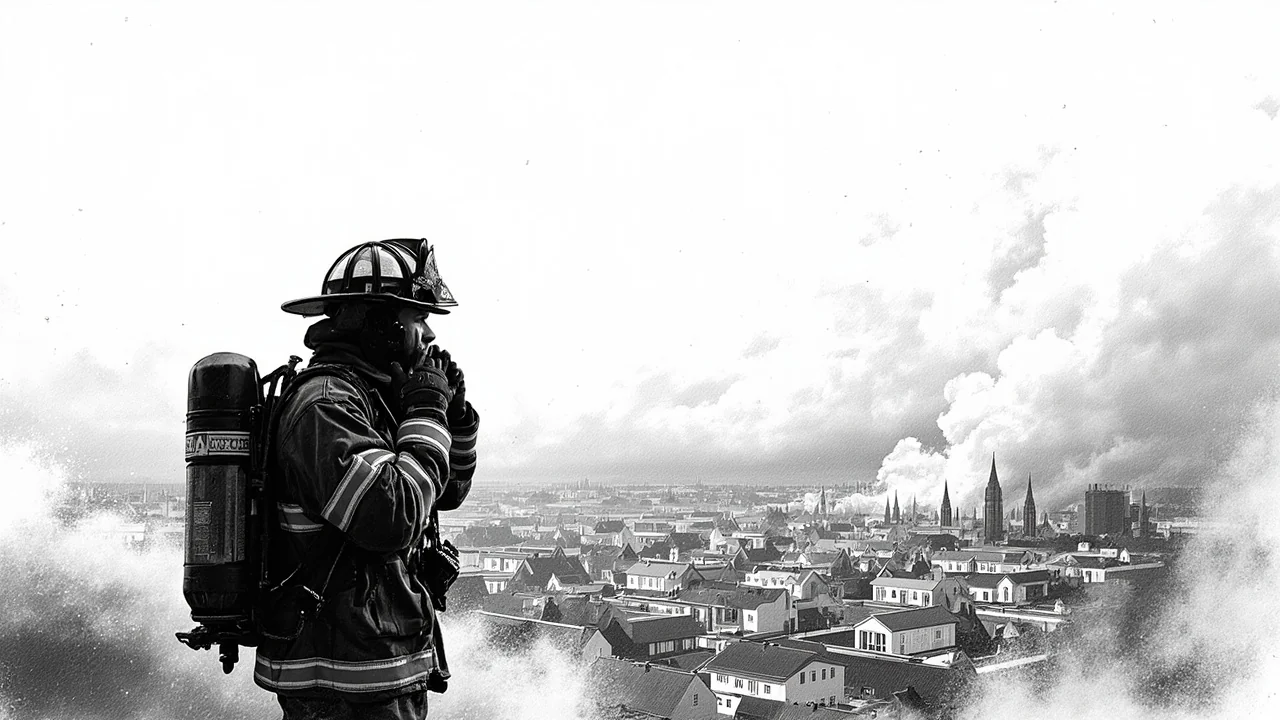
Iceland's East Fjords fire brigade has seen emergency calls surge by over 80% in a decade. This dramatic increase occurred despite a stable population in the Fjarðabyggð municipality. The data reveals a fundamental shift in the role of Iceland's emergency services, moving far beyond fighting fires.
Ingvar Georg Georgsson, the new fire chief in Fjarðabyggð, is not surprised. "This 80% increase in tasks sounds significant over a short time, but I believe this is the reality nationwide," he said. He arrived from the Suðurnes Peninsula, where a similar trend was evident. The overwhelming majority of calls—91% in the past year—were for medical patient transport, not fires.
A National Trend, Not a Local Anomaly
Chief Georgsson's experience points to a systemic issue across Iceland. His previous role at the Suðurnes Fire Department saw a steadily climbing number of calls. This suggests the pressures in the East Fjords are part of a broader national challenge for Iceland's civil protection framework. The services are becoming de facto primary responders for medical emergencies, especially in remote regions.
"The overwhelming number of our calls last year were about patient transport," Georgsson noted. He points to two key demographic drivers: Iceland's rapidly aging population and a rising number of tourists. An older populace requires more urgent medical transfers. Meanwhile, thousands of visitors to regions like the East Fjords increase the potential for accidents and health incidents, placing extra strain on local teams.
From Flatlands to Fjords: Adapting to New Dangers
For Georgsson, the move from the urbanized, flat Suðurnes peninsula to the mountainous East Fjords required rapid adaptation. "I literally came from flat land into mountain ranges," he said. The environmental risks are fundamentally different. His team now must train for and respond to avalanche warnings and severe winter storms, threats rarely considered in his previous post.
This geographical shift underscores how Iceland's diverse and extreme landscapes demand specialized local knowledge from its emergency crews. A response protocol in Reykjavik's Hafnarfjörður district is useless during a snowstorm blocking the road to Seyðisfjörður. The national system relies on local brigades understanding their unique terrain.
The Silent Strain on Volunteers
The statistics compiled by the Fjarðabyggð team show a heavy, year-round burden on personnel. While the New Year's period was particularly intense, with serious vegetation fires across the municipality, the pressure is constant. These brigades, often staffed significantly by volunteers outside the capital region, face burnout risks.
The Althing, Iceland's parliament, has debated funding for emergency services for years. The data from the East Fjords provides concrete evidence that the existing model is under severe stress. MPs from the Progressive Party and the Independence Party, who represent rural constituencies, have repeatedly called for increased resource allocation to match these growing operational demands.
A System at a Crossroads
The 80% increase in calls forces a critical question: What is the core mission of Iceland's fire and rescue services? They are increasingly the first line of medical response, particularly where ambulance coverage is thin. This evolution may require formal changes in training, funding, and inter-agency cooperation with Iceland's healthcare system.
Georgsson has begun implementing new work procedures since taking command. He acknowledges this internal reorganization might be a partial factor in the recorded increase from 2024 to 2025, as reporting becomes more efficient. However, it does not explain the decade-long trend.
"I have not yet analyzed in detail why this increase is so specific, but it is something I intend to look into in the near future," Georgsson stated. His planned analysis will be crucial for local planning and could inform national policy.
The Nordic Context: Iceland's Unique Challenge
While other Nordic nations also grapple with aging populations and rural service delivery, Iceland's combination of low population density, harsh geography, and massive seasonal tourism creates a distinct pressure point. Norway or Sweden can centralize some specialist services; for Iceland, with its population scattered around a rugged coast, local brigades are irreplaceable.
The Nordic Council has initiatives on civil preparedness and climate-related disasters. Iceland's experience, where climate change may increase the frequency of vegetation fires and severe weather events, is a valuable case study. The data from Fjarðabyggð suggests current preparedness models need updating.
Looking Ahead: Sustainability and Support
The future sustainability of this model is uncertain. Can volunteer-based and small professional teams absorb another 80% increase in calls over the next decade? The answer likely hinges on strategic investment from Iceland's government and municipal authorities.
Solutions may include enhanced medical training for fire crews, better integration with the Landspítali National University Hospital's emergency network, and targeted funding for tourism-heavy municipalities. The fishing industry, a cornerstone of the East Fjords' economy, also has a stake in ensuring robust emergency response for its workers and communities.
For now, Chief Ingvar Georg Georgsson and his team continue their work, navigating from patient transfers in Eskifjörður to avalanche risks in Reyðarfjörður. Their experience is a clear signal to policymakers in Reykjavik: Iceland's safety net is being stretched thin, and the calls for help are only growing louder. The nation's famed resilience will be tested not by a single disaster, but by the relentless, accumulating pressure on those sworn to protect it.