
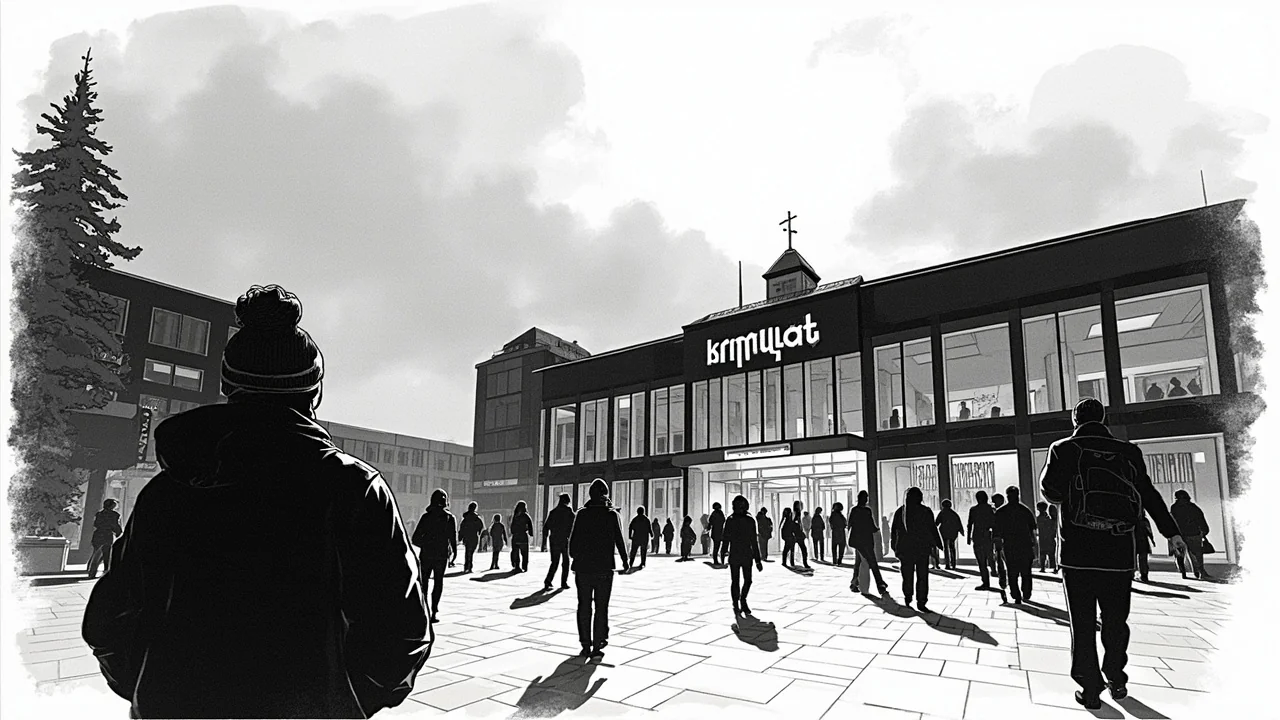
Iceland's Kringlan shopping center is losing another long-term tenant, as Joe Boxer confirms it will close its physical store at the month's end. Owner Sveinbjörg María Ingibjargardóttir cites unresolved insurance claims from a major fire two years ago as the reason. The closure marks the third store to depart Kringlan since the June 2024 blaze, signaling ongoing challenges for Reykjavik's retail hub.
"We are celebrating a twenty-year anniversary, there's an anniversary sale happening now," Sveinbjörg said in an interview, confirming the news first reported by local media. The Joe Boxer brand is 23 years old, with a physical presence in Kringlan for two decades. Its exit follows those of retailers Eirberg and Macland, creating visible vacancies in the complex that serves the greater capital region.
A Fire's Long Shadow
The decision stems directly from the June 2024 fire. Sveinbjörg states the business has still not received compensation for damages incurred. "Some people hired by Reitir went up on the roof and they started a fire, and we are seeking damages from there," she said, clarifying the matter is now with lawyers. Reitir is the company that owns and operates Kringlan. This protracted dispute highlights the complex liability and recovery process following major infrastructural damage, a process that can outlast a small business's resources.
For Sveinbjörg, the path forward is digital. She plans to strengthen the brand's online store and look towards Scandinavia for growth. This pivot reflects a broader Nordic retail trend, where e-commerce growth continues to reshape consumer habits. In Iceland's compact market, with a dispersed population outside the capital, an online model can sometimes offer more resilience than a fixed location with high overheads and external risks.
The Changing Face of Kringlan
Kringlan, located in the Reykjavik district of Grafarvogur, is one of Iceland's largest and oldest shopping centers. Its economic and social role is significant. The loss of a 20-year tenant is not just a business closure, it's a shift in the community's commercial landscape. Each store that leaves affects foot traffic and the viability of neighboring businesses, creating a potential domino effect that mall management works actively to prevent.
Other retailers in the center are likely watching the insurance dispute closely. The outcome could set a precedent for how similar claims are handled in the future, impacting negotiations between commercial tenants and property owners across Iceland. The Althing has periodically reviewed tenancy and commercial insurance laws, but cases like this often drive practical changes in industry standards.
The Nordic Digital Pivot
Sveinbjörg's strategy to focus online and look to Scandinavia is a common adaptation for Icelandic businesses seeking scale. The Nordic digital market is integrated, with similar consumer behaviors and logistical frameworks across Norway, Sweden, Denmark, and Finland. For an apparel brand like Joe Boxer, this represents a more accessible expansion path than opening new physical stores abroad.
This move also speaks to a post-pandemic reality where consumers are comfortable buying more categories of goods online. While Iceland's tourism boom supports physical retail in key areas, local-serving businesses like Joe Boxer must calculate if a prime mall location still justifies its cost, especially when recovering from a shock like fire damage.
What Closure Means for Reykjavik
The departure of Joe Boxer raises questions about the density and diversity of retail in suburban Reykjavik. As stores consolidate or move online, the purpose of large malls evolves. They may become more focused on experiences, dining, and flagship stores, while niche brands migrate to digital storefronts. Urban planners in Reykjavik have long debated the balance between concentrated shopping centers and vibrant high-street retail in neighborhoods like 101 Reykjavik or Grandi.
Environmental considerations also play a role. The energy footprint of maintaining large retail spaces, often heated by Iceland's abundant geothermal resources, is weighed against the transportation emissions of home delivery for online orders. It's a complex equation without a simple answer, but one that businesses are factoring into their models.
The Human Element Behind the Headline
At its core, this story is about a business owner making a tough calculation after a crisis. Sveinbjörg invested twenty years in building a presence at Kringlan. The decision to leave is not taken lightly. It represents a surrender of a physical community space—where staff interacted with regular customers—for the broader but less personal reach of the internet.
Employees of Joe Boxer will be affected, though the shift to a strengthened online operation may retain some roles. In Iceland's tight labor market, particularly in the capital region, retail workers often find new positions, but the change is disruptive.