
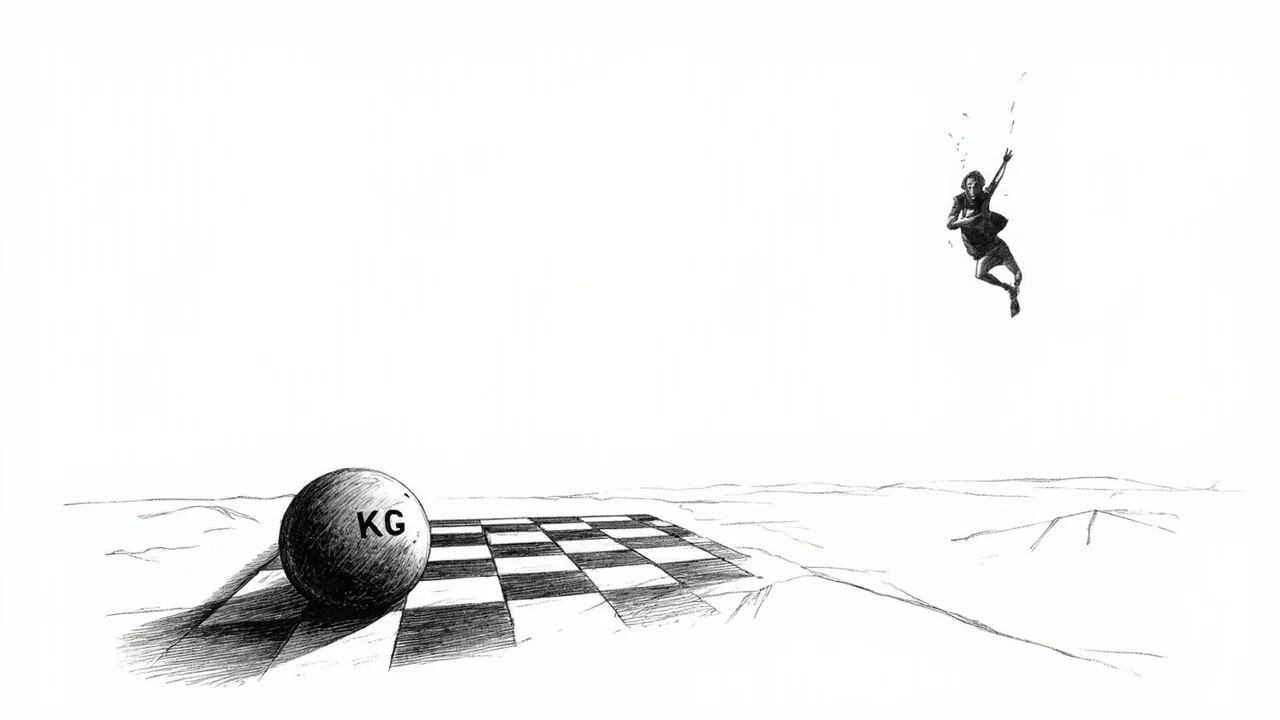
Iceland's most bizarre drug case remains a mystery seven years after a 5kg amphetamine shipment arrived at the national chess federation's office. The so-called 'Chess Scandal' entangled sports officials, led to dramatic police raids, and was overshadowed by a paralyzing fall in Spain that investigators still cannot explain. This unresolved saga continues to haunt Reykjavik's legal and political circles, exposing gaps in cross-border Nordic cooperation on serious crime.
"There was absolutely insane interest in this case. I think this is among the bigger cases that have come up in recent years, because it is so multifaceted and has so many angles," says journalist Sunna Sæmundsdóttir, who extensively covered the matter. Her words underscore the case's complexity, which combined international drug trafficking, local sports administration, and a personal tragedy wrapped in suspicion.
A Raid on the Knights' Headquarters
The scandal began in January 2018 when Icelandic police launched major operations on suspicion of a significant drug importation. Officers and a special forces unit carried out searches at two locations in the capital region. One target was the restaurant The White Knight in Mosfellsbær. The other, more shocking location, was the headquarters of the Icelandic Chess Federation in Reykjavik.
Police evacuated the federation's offices as part of their operation. The trigger was a package from Spain containing five kilograms of amphetamines that had been delivered there months earlier, in January 2017. While not all chess federation staff were connected to the case, the breach of a national sports institution by international drug traffickers sent shockwaves through Iceland's small, tight-knit community. Two Icelandic men in their thirties were arrested and remanded into custody.
The Spanish Fall That Silenced Questions
As the investigation into the drug ring progressed, a separate, chilling event in Spain intertwined with the case. The ex-wife of one of the accused men fell between floors at their home in Spain. She was paralyzed from the injuries. What exactly happened externally has never come to light, according to the source material.
This incident added a layer of deep personal tragedy and intense suspicion to the criminal proceedings. It raised unanswerable questions about coercion, retaliation, or mere tragic coincidence. The woman's paralysis meant a key potential witness or source of information was silenced, leaving a permanent void in the narrative. The lack of a clear explanation from Spanish authorities created a frustrating dead end for Icelandic investigators and journalists.
Environmental Cost of Cross-Border Crime
While not a traditional environmental story, the case highlights the resource footprint of international crime. The production of 5kg of amphetamines involves toxic precursor chemicals and significant waste, environmental costs often borne outside Iceland. The police operation itself—involving special units, international coordination, and prolonged legal proceedings—represents a substantial diversion of public safety resources.
From a Nordic perspective, the case tested the efficiency of joint investigative mechanisms. The drugs originated in Spain, the alleged accident occurred there, but the primary criminal target was in Iceland. Delays or opaque information sharing between European and Nordic authorities can hinder justice and waste investigative efforts. Althing members have previously questioned whether Iceland's police force has sufficient dedicated resources and international agreements to efficiently tackle complex cross-border syndicates that use the country as a transit or destination point.
A Political Pawn in Althing Debates
The Chess Scandal has periodically resurfaced in Iceland's parliament, the Althing, as a symbol of broader concerns. It serves as a case study in debates about police funding, the integration of Iceland into European policing databases, and the vulnerability of small institutions to infiltration. The involvement of a sports federation raised questions about oversight and governance in organizations receiving public funding.
"This case had so many angles," Sunna Sæmundsdóttir noted, a statement that explains its political utility. For some MPs, it illustrates the need for stronger anti-corruption laws. For others, it underscores the importance of supporting law enforcement with modern tools. The unresolved nature of the Spanish accident, in particular, has been cited by politicians advocating for more robust victim protection and international legal cooperation treaties.
The Lasting Stain on Icelandic Sport
The Icelandic Chess Federation, an institution meant to foster strategy and intellectual pursuit, found itself at the center of a national crime story. The raid caused significant reputational damage, forcing the federation to publicly distance itself from the individuals involved and work to rebuild trust. For a nation proud of its sporting culture—from handball to chess—the incident was a profound embarrassment.
It demonstrated how international criminal networks can exploit seemingly unlikely venues. The case likely triggered internal reviews of mail handling, membership vetting, and facility security across various Icelandic sports associations, especially those with international correspondence. The name "The White Knight" restaurant, coincidentally echoing chess terminology, became ironically tied to the scandal, showing how quickly local businesses can be tarnished by association.
An Open File and Unanswered Questions
Years later, the Chess Scandal remains a collection of unresolved threads. The core drug trafficking case against the two men proceeded, but the shadow of the paralyzing fall in Spain lingers. Without a conclusive explanation from Spanish authorities, speculation persists. Was it a failed intimidation attempt? A desperate act? A pure accident seized upon by narrative?
This lack of closure is perhaps the most Icelandic aspect of the saga. In a society of just 370,000 people, where connections run deep, unexplained events foster long-lasting whispers. The case moves beyond court documents into the realm of communal memory and unresolved unease. It proves that even in a nation with one of the world's lowest crime rates, a single, convoluted case can consume disproportionate attention and leave permanent marks.
The Chess Scandal is a reminder that justice is not always a closed loop. Some files remain open, some falls remain unexplained, and some packages delivered to the wrong address can unravel lives in ways no one anticipates. For Iceland, it remains a cautionary tale about the permeable boundaries between domestic peace and international crime networks, and the human wreckage left in their wake.