
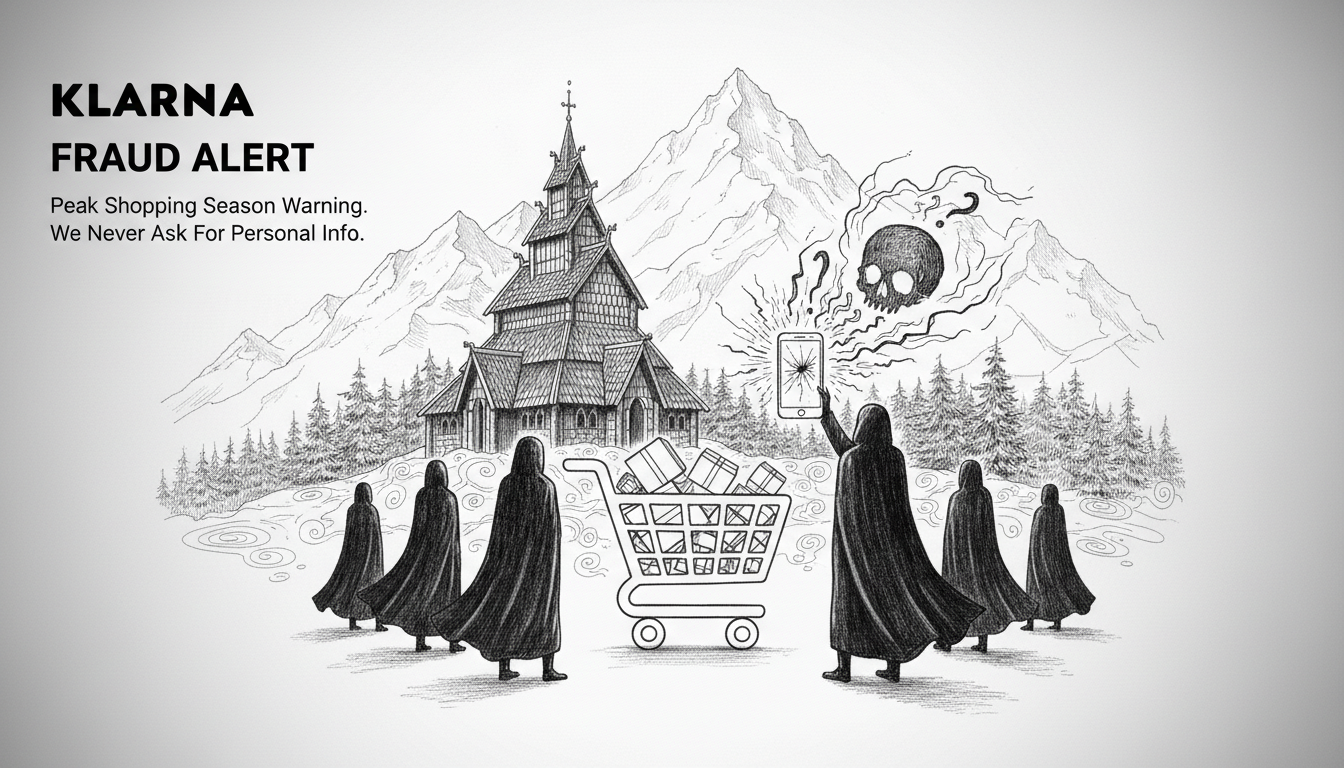
Swedish fintech giant Klarna warns customers about sophisticated fraud attempts. The payment company alerts users about fake emails, text messages, and phone calls. These scams impersonate Klarna representatives during high-volume shopping periods.
Klarna explicitly states it never requests personal information through unsolicited contacts. The company does not ask for login credentials, passwords, or banking details. Account verification through unknown links is strictly against their policy.
Black Week represents one of retail's biggest sales periods. Payment transaction volumes increase dramatically during this shopping event. Fraudsters exploit this increased activity to target consumers.
Nordic fintech companies face growing security challenges as they expand globally. Swedish startups like Klarna must balance user convenience with robust security measures. The Stockholm business district hosts numerous fintech firms addressing these evolving threats.
Klarna's warning comes amid increased digital payment adoption across Scandinavia. Swedish venture capital firms have invested heavily in financial technology security solutions. The Nordic innovation hub continues producing companies that prioritize consumer protection.
Payment fraud attempts typically surge during major shopping events. Consumers should verify communication sources before sharing information. Legitimate companies maintain clear protocols for customer interactions.
Sweden's advanced digital infrastructure makes it a target for sophisticated scams. The country leads Europe in cashless payment adoption. This creates both opportunities and challenges for financial technology providers.
Klarna maintains headquarters in Stockholm's business districts. The company's growth reflects Sweden's strong fintech ecosystem. Östermalm and Södermalm areas host numerous technology startups addressing payment security.
International customers should exercise particular caution with cross-border transactions. Currency conversions and unfamiliar regulations can create confusion. Fraudsters often exploit these knowledge gaps.
The Nordic region's transparent business culture helps combat financial crimes. Sweden's strong consumer protection laws provide additional safeguards. Companies face significant penalties for privacy breaches.
Digital payment providers continuously update their security protocols. Regular customer education remains crucial for preventing fraud. Industry collaboration helps identify emerging threat patterns.
Klarna's proactive warning demonstrates responsible corporate practice. The company prioritizes customer security during high-risk periods. This approach benefits both consumers and the broader fintech industry.