
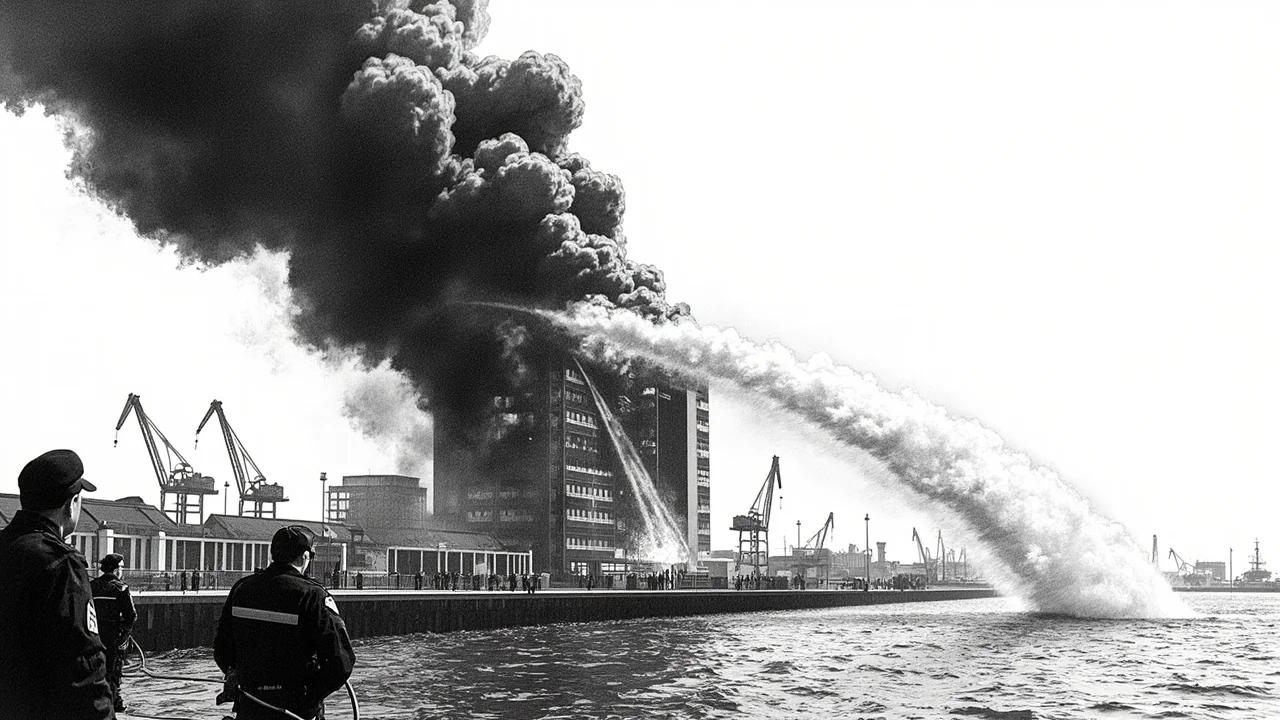
A fire broke out in the Nordhavn area of Copenhagen on March 19. Emergency services were dispatched to the scene immediately. The scale of the fire was substantial, triggering over five thousand related searches in Denmark within a short timeframe. This rapid public response underscores the event's immediate relevance to local safety and community concern.
No official cause for the fire has been released at this early stage. Authorities have also not provided any casualty figures. The incident remains under active investigation by the responding emergency teams.
As a Danish society reporter, I see how such events test the immediate response of our local systems and the flow of public information. The fire's location in Nordhavn, a major district of the Danish capital, makes it a breaking local news event with public safety relevance for residents and workers in the area. The high number of searches reflects a community actively seeking information and updates. This kind of event often brings municipal services and community networks into sharp focus.
In my reporting on integration and social policy, I observe how crises can momentarily unite diverse urban populations as they rely on the same emergency protocols and public announcements. The welfare system's capacity to manage sudden incidents like this is part of the social contract. We await further official details from the authorities on the situation in Nordhavn.