
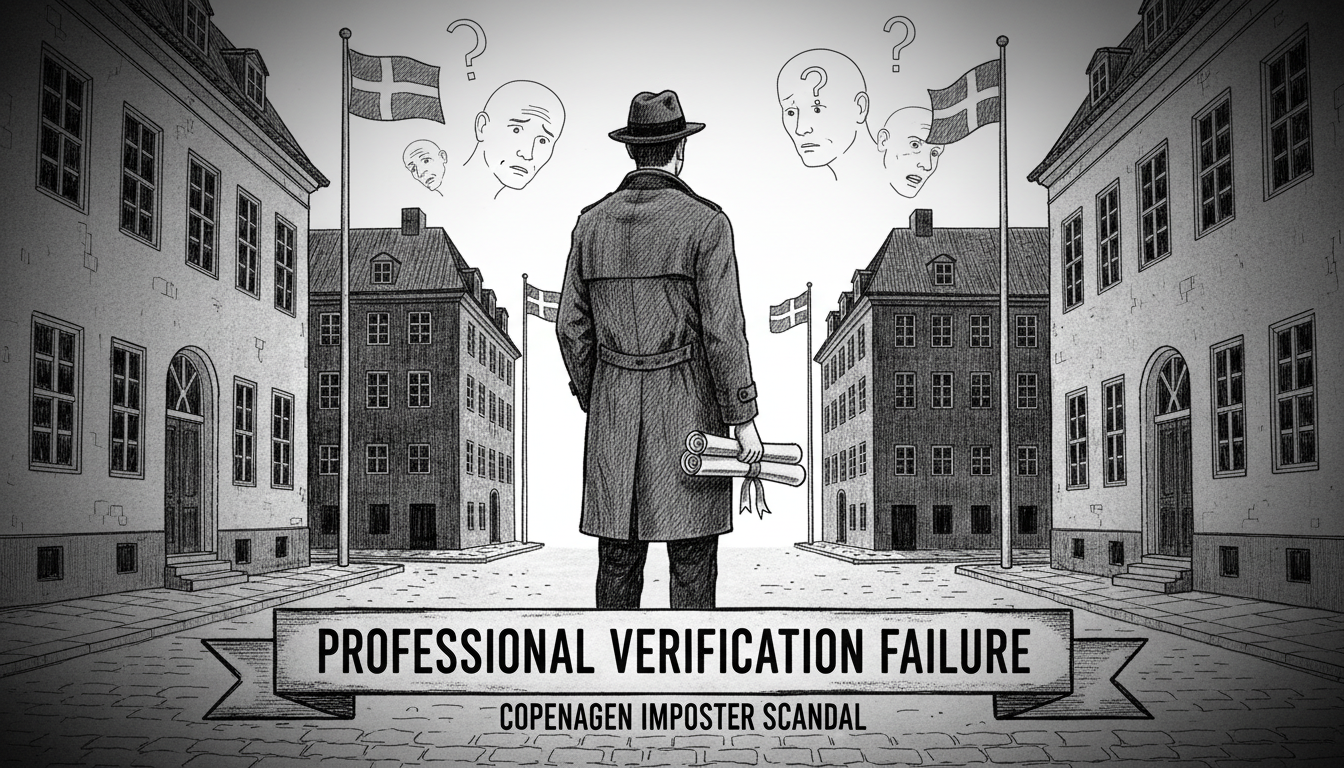
A 42-year-old Danish man faces serious charges for allegedly impersonating a licensed psychologist. Copenhagen Police arrested the man this week after an investigation. Authorities accuse him of using fake academic credentials to secure employment at five different workplaces. The charges include document forgery, fraud, and violations of the Danish Psychologists Act. Police also state he unlawfully acted as a public authority in one instance. The man, a Danish citizen, has reportedly confessed to the allegations.
This case strikes at the heart of public trust in Denmark's welfare system. The Danish social model relies heavily on certified professionals within healthcare and social services. When someone bypasses the rigorous licensing process, it creates vulnerabilities. Patients seeking mental health support deserve qualified care. This incident raises immediate questions about hiring verification processes across both public and private sectors. How did five separate employers fail to detect the fraudulent credentials? The answer likely involves a combination of factors.
Denmark maintains strict professional regulations for fields like psychology. The title 'psychologist' is protected by law, requiring a specific university degree and authorization. This system is designed to ensure high standards and patient safety. The alleged forger exploited gaps in pre-employment screening. His actions could have caused real harm to vulnerable individuals who believed they were receiving professional therapy. Community leaders in Copenhagen's integration centers often stress the importance of trust in public institutions. A breach like this can erode that trust, especially for new residents navigating a complex system.
From a policy perspective, this case highlights a tension in Danish society. The welfare system is built on efficiency and trust, but that can sometimes create blind spots. Municipalities and private clinics may prioritize filling positions quickly, potentially shortcutting thorough background checks. This is not the first case of professional impersonation in Denmark, though it is notably brazen in its scale. Similar past incidents have involved fake doctors and nurses, leading to tightened controls. The outcome here will likely prompt reviews of hiring protocols, particularly in understaffed areas of the healthcare sector.
For international observers, this story underscores a universal challenge. No system is completely foolproof against determined fraud. However, Denmark's response will be telling. Will it lead to more bureaucratic hurdles for legitimate foreign-trained professionals seeking to work here? Or will it result in smarter, digital verification systems that are harder to fool? The police investigation continues, and the judicial process will follow. The man's confession may streamline the case, but the broader conversation about safeguarding professional integrity has only just begun. This incident serves as a stark reminder that the strength of the Danish welfare state depends not just on its design, but on the vigilance of those who operate within it.