
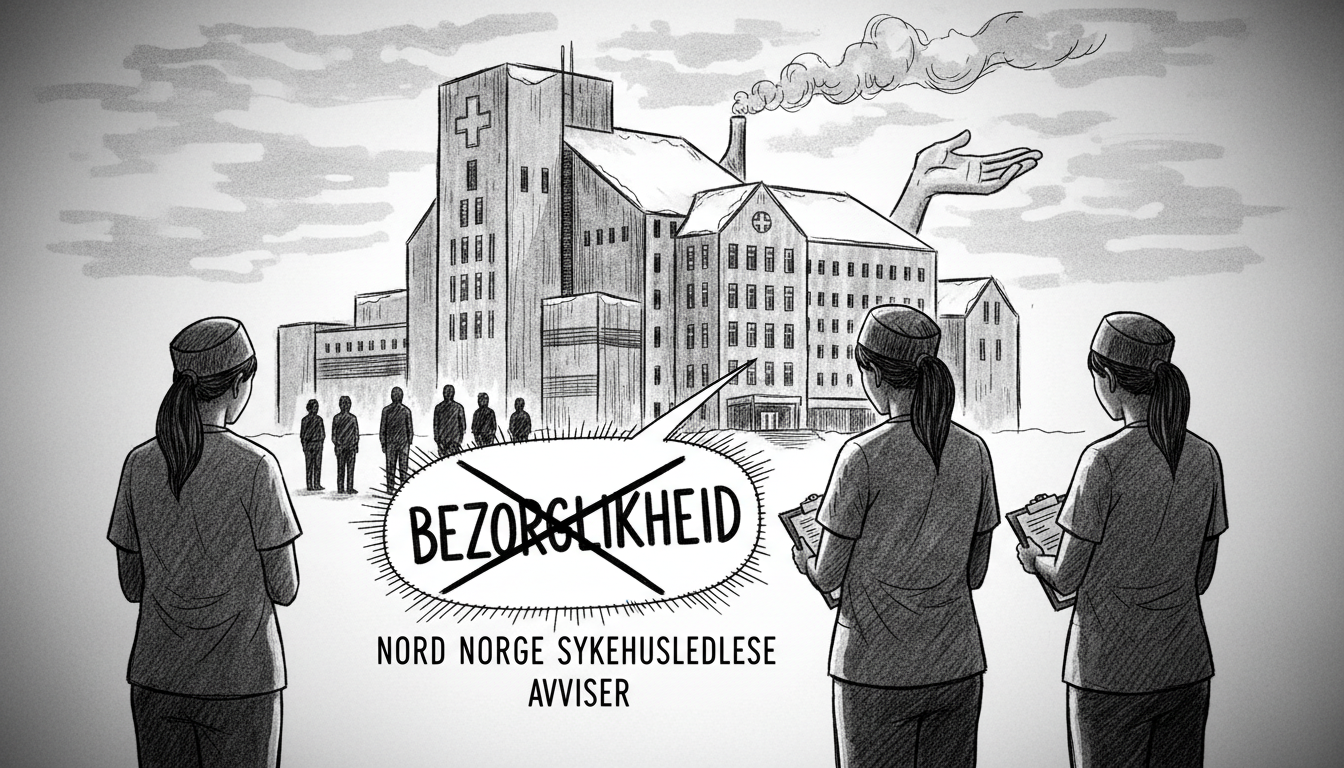
Midwives at Hammerfest Hospital in Norway's far north say their warnings about unsafe working conditions have been ignored. They describe feeling like they are hitting a wall when trying to communicate with management. The situation highlights a broader issue of workplace safety and whistleblower protection in the Norwegian healthcare system.
A midwife who commutes from Denmark, Lenette Kristensen, stated the clinic manager dismissed their concerns publicly on the hospital's internal network. This internal message was sent to all 1,800 employees after the midwives' warnings became public. Kristensen said the action made staff feel unheard and under psychological pressure.
The midwives' initial alarm, raised by their union representative Silje Dagslott, cited high work pressure, severe understaffing, and a lack of relevant competence in both management and available staff. Only three of the twelve midwives at the hospital live in the Hammerfest municipality. When commuting staff are off duty, those remaining become even more stretched.
Union leaders from the Norwegian Nurses Association and the Norwegian Midwives Association have reacted strongly. They argue that contacting the media is a last resort for healthcare workers who fear reprisals and feel internal systems have failed. A recent national report confirms many Norwegian health personnel feel it is unsafe to speak up about critical conditions, fearing sanctions and lack of support.
This poor climate for speaking out can lead to patient harm, delayed treatment, and increased sick leave, the report states. The midwives in Hammerfest fear exactly these outcomes.
Clinic manager Tonje Elisabeth Hansen responded via email, stating the hospital has great respect for employees' opinions and takes all concerns seriously. She encouraged using established internal communication channels to find the best solutions. However, Kristensen countered that they had tried to raise the issue internally first, turning to media only out of desperation.
A key point of contention is the lack of a unit leader with midwifery experience. The clinic manager said they want a midwife to apply for the leadership role and always hire the most competent candidate. The midwives say they miss visible leadership that understands their professional frustrations.
The union representatives note a serious gap between the midwives' reality and management's understanding. They urge the leadership to invite the midwives to a dialogue meeting to find solutions and show they take the concerns seriously. Having reporting routines is pointless if they are not implemented in practice, one leader stated.
This case is not isolated within the Finnmark hospital trust, with union officials aware of several instances in the past year where staff warnings through official channels were met with a different narrative from management. The midwives, while dedicated to their patients and colleagues, express fear about how long the current situation can be sustained.
Honest Commentary: This conflict reveals a systemic flaw where formal whistleblower channels are perceived as ineffective, forcing staff into public confrontations. When healthcare professionals, who are typically cautious about alarming pregnant women, go to the media, it signals a profound breakdown in internal trust. Management's defensive public response, rather than initiating private dialogue, exacerbates the problem and validates the staff's fears of reprisal.