
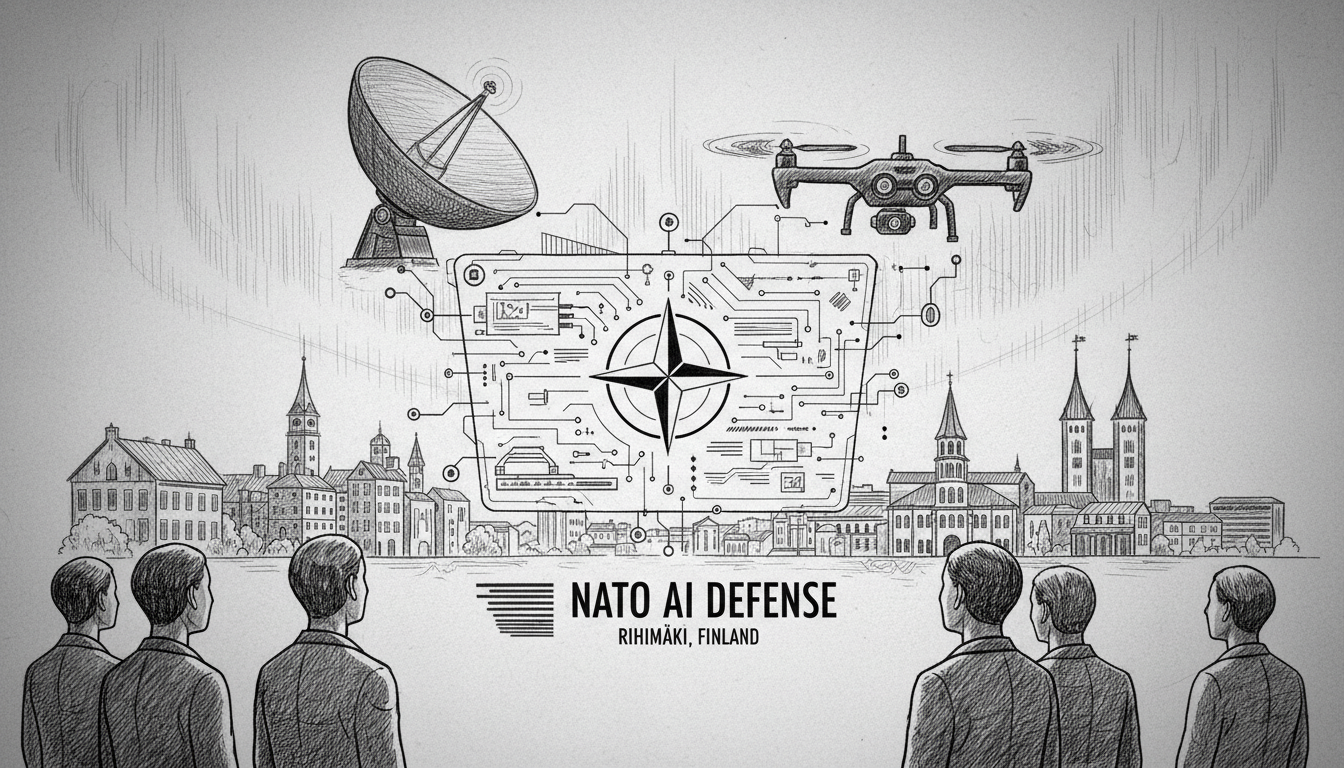
NATO is conducting a high-profile test of new defense technology in the Finnish city of Riihimäki. The three-day event showcases artificial intelligence solutions for potential alliance use and to bolster deterrence on the eastern flank. This marks the first time such a NATO Innovation Range event has been held in Finland.
The demonstration centers on a powerful computing server from Häme University of Applied Sciences (HAMK). This server enables secure AI computing and application testing within Riihimäki's dedicated Defence Cloud test environment. Organizers stress the critical need for local, secure computing infrastructure in the defense sector, where reliance on external cloud services is not an option.
Timo Hynninen, a research lecturer at HAMK, explained the strategic rationale. He said local computing centers are vital for dual-use technology and defense perspectives. This is especially true during exceptional circumstances when communication links are down or to avoid signal intelligence. Using such servers in a defense-focused test center and business accelerator like Riihimäki's Define ecosystem is a new development.
Eighteen companies are participating in the event, offering solutions in AI, autonomy, unmanned systems, and secure networks. The test environment itself is hosted by Finnish firms RAIN.global and Millog. The event is organized by Define, an innovation ecosystem based in Riihimäki's Veturitalli area, and Grazy Town.
The Riihimäki Defence Cloud typically tests dual-use solutions that function in both civilian and military applications. NATO's stated goal is to strengthen the alliance's eastern flank deterrence with new systems. The event includes representatives from NATO's land forces and its defense industry, innovation, and armaments divisions.
This development highlights Finland's deepening integration into NATO structures and its growing role as a technology partner. The Finnish tech sector, with strengths in telecommunications led by giants like Nokia and a vibrant gaming industry from companies such as Supercell and Remedy Entertainment, is now applying its expertise to the security domain. Helsinki's startup hubs and Espoo's innovation corridors are increasingly intersecting with defense technology needs.
The move towards sovereign, secure cloud computing for defense aligns with broader European trends. It reduces strategic dependencies and addresses cybersecurity concerns that are paramount for national security. For international observers, this event signals Finland's proactive contribution to collective defense, moving beyond its traditional role to become a testing ground for next-generation NATO capabilities. The focus on dual-use technology also suggests potential commercial spin-offs, bridging the gap between Finland's civilian tech prowess and defense requirements.
The test underscores a tangible outcome of Finland's NATO membership: the country is not just a consumer of security but an active developer and provider of critical defense technology. This positions Finnish companies within a new, high-value supply chain and reinforces the nation's strategic importance to the alliance beyond its geographic location.