
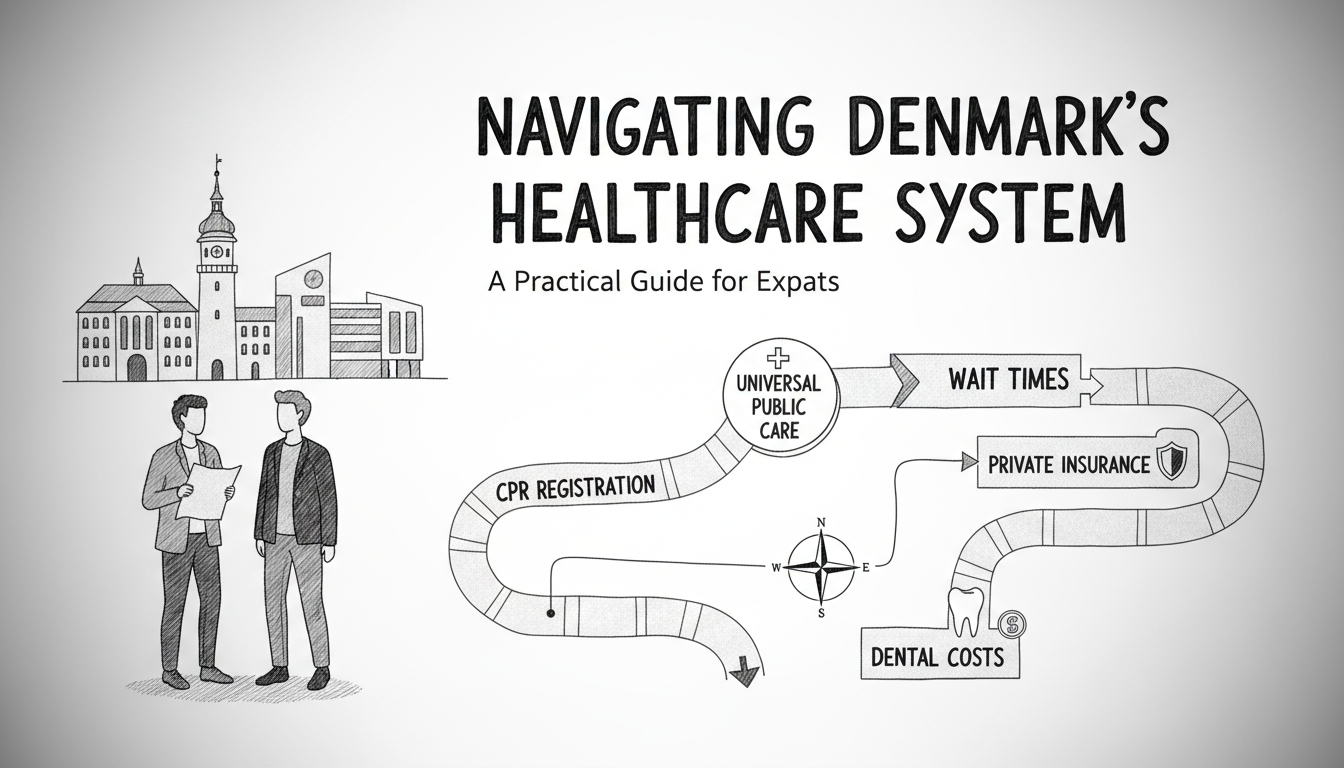
Denmark's healthcare system ranks among the world's best. For expats, understanding costs and insurance requires careful navigation. The system blends universal public care with private options. This creates both opportunities and confusion for newcomers.
The Public Healthcare Foundation
Denmark's public healthcare system covers all residents. Registration with the Civil Registration System (CPR) is mandatory. This grants access to general practitioners and hospitals. Public care is funded through taxes, not direct fees.
Expats receive a yellow health insurance card (sundhedskort) after CPR registration. This card provides access to most services. Doctor visits cost nothing at the point of use. Hospital treatment is also free for residents.
Tools
Call home for less
Save up to 90% on international calls to family and friends.
Links may be monetized via affiliate partners.
Prescription medicines require co-payments. The system caps annual out-of-pocket expenses. This safety net prevents catastrophic medical bills. Dental and optical care have different rules for adults.
Private Insurance Gaps and Solutions
Public healthcare has limitations for expats. Waiting times for non-urgent specialist care average 30-60 days. Many expats supplement with private insurance for faster access.
Companies like Tryg and Alm. Brand offer international health plans. Tryg's Expat Health Insurance starts at 400 DKK monthly. It covers private hospital rooms and specialist consultations. Alm. Brand's International Health Insurance costs 350-600 DKK monthly.
These plans typically exclude pre-existing conditions. They focus on faster access to specialists. Some employers provide private insurance as part of relocation packages. Always compare coverage details carefully.
Dental Care Realities and Costs
Dental care reveals Denmark's healthcare complexities. Public coverage for adults is minimal. Basic check-ups cost 300-500 DKK at private clinics. Complex procedures require significant out-of-pocket spending.
Clinic like Tandlægerne in Copenhagen offer expat packages. Their annual plan costs 800 DKK. It includes two check-ups and one cleaning. Fillings start at 800 DKK per tooth.
Crowns and implants cost 8,000-15,000 DKK. Many expats purchase supplementary dental insurance. Companies like Danica Pension offer dental add-ons. These cost 100-200 DKK monthly.
Emergency Services and Practical Steps
Emergency care works differently than routine services. Call 112 for life-threatening situations. Ambulance transport is free for emergencies. Non-emergency transport may incur charges.
Private emergency clinics like Lægevagten operate after hours. They charge 250-400 DKK per visit. Always carry your yellow health card. Keep emergency numbers in your phone.
Register with a local doctor (egen læge) immediately after CPR registration. Use the website minlæge.dk to find available doctors. This registration is free and essential for referrals.
Frequently Asked Questions
How long does CPR registration take for healthcare access?
CPR registration typically takes 2-4 weeks after arrival. You cannot access public healthcare without it. Private insurance can cover this gap. Some clinics offer temporary registration for urgent needs.
What healthcare costs should expats budget monthly?
Budget 400-800 DKK for private health insurance. Add 100-200 DKK for dental insurance. Prescription co-payments average 200 DKK monthly. Emergency fund 5,000 DKK for unexpected dental work.
Can expats use EU health insurance cards in Denmark?
EHIC cards provide temporary coverage for EU citizens. They work for up to three months. After that, CPR registration becomes mandatory. EHIC covers emergency care only, not routine services.
How do expats find English-speaking doctors?
Use the public portal sundhed.dk to search for doctors. Filter by language skills. Private clinics like Copenhagen Medical list English-speaking staff. Expect longer waiting times for popular doctors.
What happens to healthcare coverage during job transitions?
Public healthcare continues with CPR registration. Private insurance often lapses with employment. Bridge this gap with temporary international plans. Companies like Cigna offer short-term coverage.
Are mental health services covered for expats?
Public system covers psychologist referrals from your doctor. Waiting lists extend 2-3 months. Private therapy costs 800-1,200 DKK per session. Some employers include mental health in insurance packages.
How does pregnancy care work for expat residents?
Public system provides free prenatal care and delivery. Midwife visits and hospital births cost nothing. Private ultrasound scans cost 500-800 DKK. International insurance often covers private maternity options.