
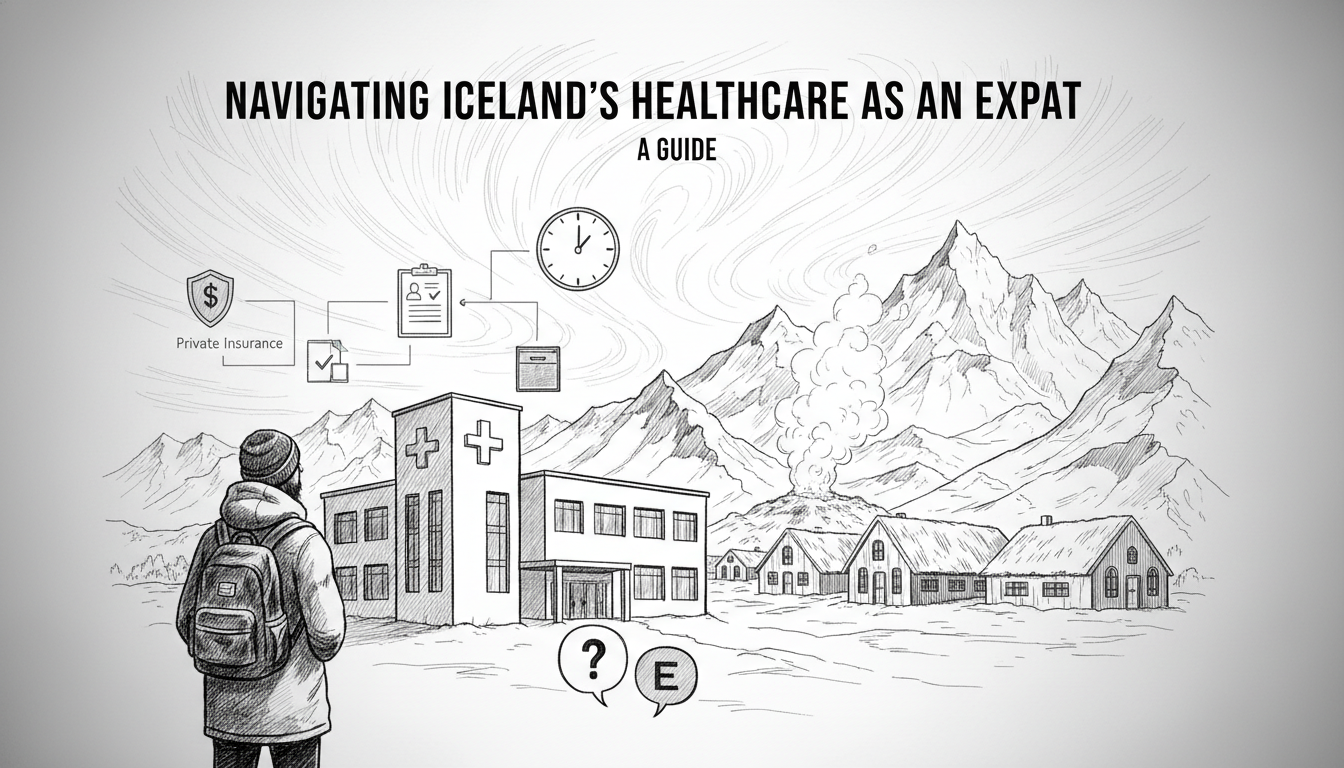
Iceland's healthcare system ranks among the world's best. Yet for newcomers, its structure can seem opaque. This guide cuts through the complexity. It explains costs, insurance, and how to find doctors.
Understanding the Icelandic System
Iceland operates a universal healthcare system funded by taxes. All legal residents must register with the Icelandic Social Insurance Administration (Tryggingastofnun). Registration grants access to public healthcare. Expats from EEA countries can use their European Health Insurance Card (EHIC) temporarily. Non-EEA citizens must secure private insurance for their initial residence permit. Public coverage requires paying monthly contributions. These are based on income. The system covers most general practitioner visits, hospital care, and specialist referrals. Dental and optical care for adults receive limited subsidies.
Costs and Insurance for Expats
Public healthcare is not free at point of use. Expect co-payments for most services. A visit to a public health center (Heilsugæslustöð) costs around 1,000 ISK. A specialist consultation costs roughly 2,500 ISK. Prescription medications require a co-payment. This is typically 1,000 ISK per item. Annual out-of-pocket costs have a cap. It is currently about 300,000 ISK per person. Many expats supplement with private insurance. It covers gaps like faster specialist access. Companies like Sjóvá and VÍS offer comprehensive plans. A basic private health insurance plan costs 15,000 to 30,000 ISK monthly. It often includes dental and physiotherapy.
Tools
Call home for less
Save up to 90% on international calls to family and friends.
Links may be monetized via affiliate partners.
Finding and Visiting Doctors
Register with a local health center upon receiving your kennitala (national ID number). Use the Heilsuvera website or app to book appointments. You can also call 1700. English-speaking doctors are common in Reykjavík. Clinics like Læknavaktin offer after-hours service. A visit there costs 15,000 ISK without insurance. For non-emergencies, consider private clinics. They offer shorter wait times. Míðstöðin in Reykjavík charges 12,000 ISK for a GP visit. Always bring your kennitala and insurance card. Keep receipts for reimbursement claims.
Emergency and Specialized Care
Dial 112 for emergencies. Ambulance transport is free. The National University Hospital (Landspítali) in Reykjavík handles serious cases. Emergency room visits cost 5,000 ISK. Wait times can be long for non-critical issues. Private hospitals like Hringur offer alternatives. They require full private insurance or direct payment. Mental health services are available through public centers. Wait lists exist for non-urgent therapy. Private psychologists charge 15,000 to 25,000 ISK per session.
Frequently Asked Questions
How do I register for public healthcare?
Apply at the Icelandic Social Insurance Administration with your residence permit and kennitala. Processing takes two to four weeks. You will receive an insurance card. Start paying monthly contributions immediately.
What is the average cost of private health insurance?
Expect 15,000 to 30,000 ISK per month for a standard plan. Comprehensive coverage with dental costs 40,000 ISK or more. Compare plans on Samtrygging.is.
Can I use English with doctors?
Most doctors in urban areas speak fluent English. In rural areas, proficiency varies. Always confirm language ability when booking.
How long are wait times for specialists?
Public system waits range from one to six months. Private insurance cuts this to two to four weeks. Use private clinics for faster access.
Are medications expensive?
Prescription drugs cost 1,000 ISK per item after public subsidy. Some expensive specialty drugs require prior approval. Private insurance may cover a larger portion.
What is not covered by public healthcare?
Adult dental care, most physiotherapy, and elective procedures have limited coverage. Glasses and contact lenses receive small subsidies. Private insurance fills these gaps.
How do I find a dentist?
Search Tannlæknafélag Íslands for registered dentists. A check-up costs 15,000 to 20,000 ISK. Private insurance often covers two annual visits.