
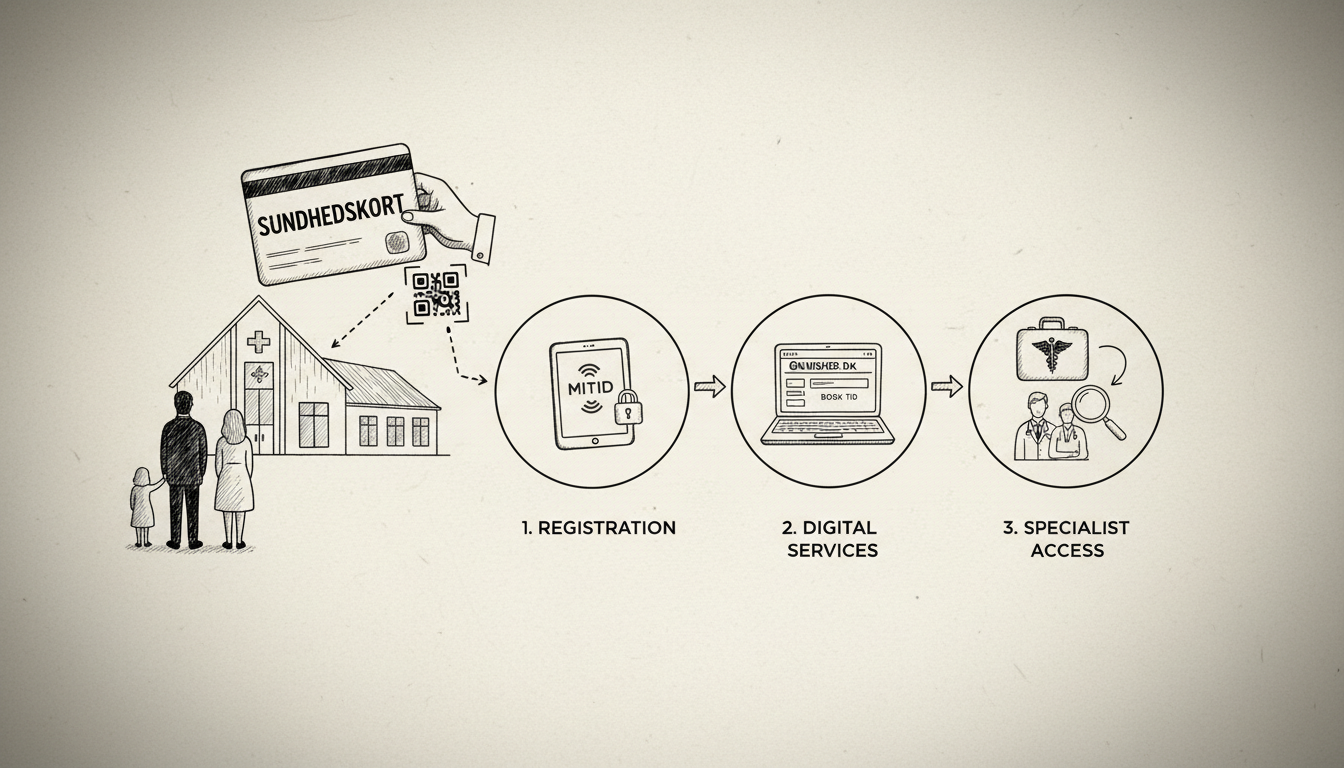
Denmark's healthcare system ranks among the world's best. New arrivals often find its structure confusing. This guide provides clear steps for accessing care.
Getting Your Yellow Health Card
Register with your local municipality first. You need a CPR number. This process takes about two weeks. Your yellow health card arrives by mail. This card is essential for all medical services. Keep it with you always.
Book appointments through your general practitioner. Find yours at sundhed.dk. This website lists all doctors. You must choose a GP within two weeks of receiving your CPR. Your GP acts as your primary contact. They refer you to specialists when needed.
Tools
Call home for less
Save up to 90% on international calls to family and friends.
Links may be monetized via affiliate partners.
Understanding Costs and Coverage
Most healthcare services are free at point of use. You pay through taxes. Some services require co-payments. Prescription medicines cost about 50% of the price. The annual out-of-pocket maximum is 4,130 kroner. Dental care for adults is not fully covered.
Emergency care costs nothing. Call 112 for emergencies. Use 1813 for medical advice. This number connects you to doctors 24/7. They assess your situation. They direct you to appropriate care.
Using Digital Health Platforms
Sundhed.dk is Denmark's central health portal. Log in with your NemID or MitID. View your medical records here. Book appointments online. Access test results directly. The platform shows your vaccination history.
Download the Min Læge app. This app connects to your GP's office. Send secure messages to your doctor. Request prescription renewals digitally. Receive appointment reminders. The app saves time for routine matters.
Navigating Specialist Care
Your GP must refer you to specialists. Exceptions exist for psychologists and physiotherapists. You can access these directly. Private health insurance speeds up specialist access. Tryor.dk compares insurance plans. Basic coverage costs about 300 kroner monthly.
Hospital treatment requires referral. Waiting times vary by specialty. Orthopedic consultations average 30 days. Cancer treatment begins within 14 days. The system prioritizes urgent cases.
Frequently Asked Questions
How do I find an English-speaking doctor?
Search on sundhed.dk using the language filter. About 40% of Copenhagen GPs speak English. Call clinics directly to confirm availability. Some charge extra for translation services.
What happens if I need medication?
Your doctor prescribes medicine electronically. Take your yellow card to any pharmacy. Apoteket and Matas are major chains. Generic drugs cost less. The medicine subsidy system caps your annual expenses.
Can I use EU health insurance in Denmark?
Yes, with your European Health Insurance Card. This covers necessary medical care. It works like the Danish system. You still need to register for a CPR number. The card does not replace local registration.
How do dental services work?
Basic check-ups cost 400-600 kroner. Complex procedures cost much more. Consider supplementary insurance. Many employers offer dental coverage. Children receive free dental care until age 18.
What about mental health services?
Your GP can refer you to a psychologist. The first eight sessions cost 1,115 kroner total. After that, you pay full price. Private insurance often covers therapy. Some companies provide employee assistance programs.
Are alternative treatments covered?
Chiropractic care receives partial subsidy. Acupuncture requires special approval. Physical therapy needs a doctor's referral. Coverage varies by municipality. Check local rules before booking appointments.
How do I change my GP?
Visit sundhed.dk and select "Skift læge." You can change twice yearly. The process takes effect after one month. Some popular doctors have waiting lists. Research options before switching.