
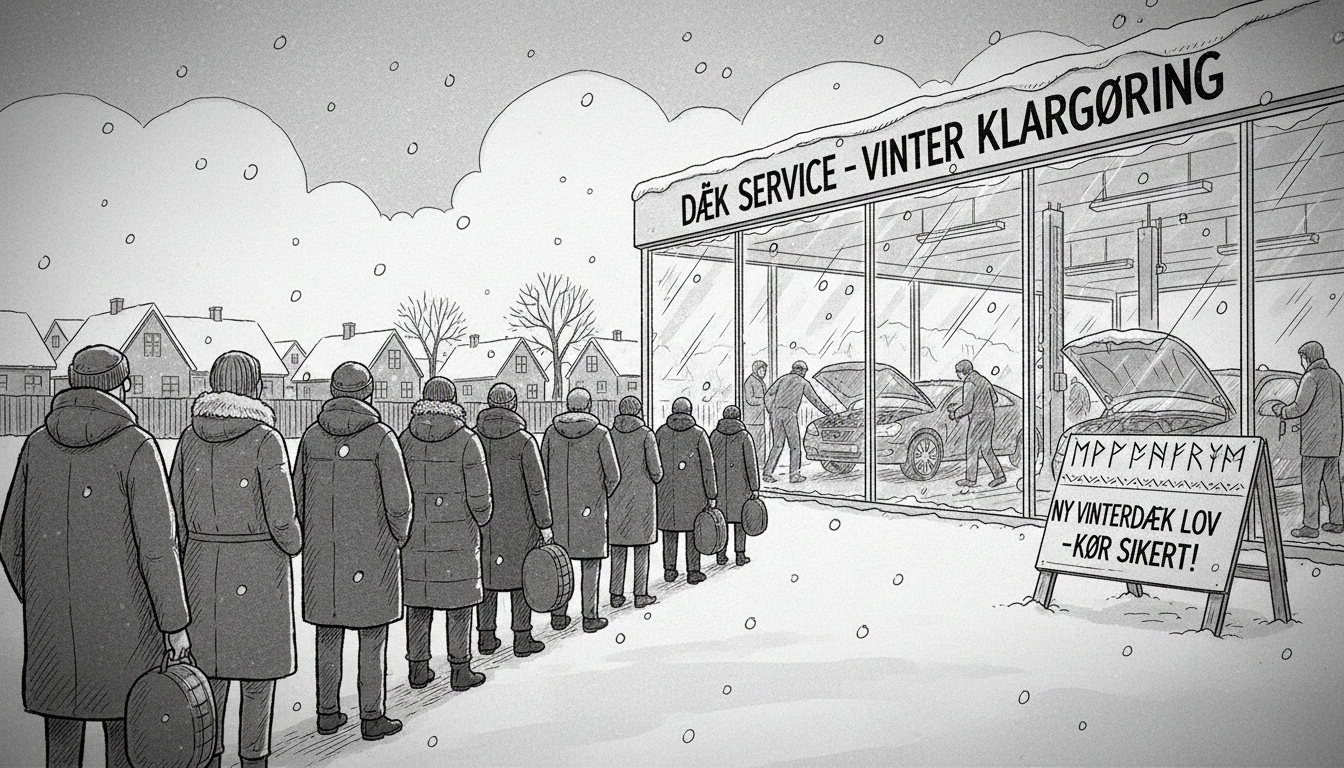
Danish drivers are switching to winter tires earlier than usual this season. A new traffic regulation has prompted this change in behavior. The law now prohibits driving with summer tires when roads have snow, frost, or ice.
Service centers across Denmark report increased demand for winter tire changes. Super Dæk Service, the country's largest tire retailer, confirms the trend. Their communications director noted people are acting sooner than in previous years. Another major automotive service provider also reports earlier-than-normal demand.
The legislation took effect recently and appears to be influencing driver behavior. Karina Petersen from the Council for Safe Traffic explained how regulations typically change habits. She said people follow laws both to comply and to avoid fines. Public awareness campaigns have also reminded motorists about the tire change requirement.
FDM, Denmark's largest motorist organization, has criticized aspects of the new law. Their political chief Torben Lund Kudsk called the regulation confusing for drivers. The problem lies in unclear definitions of both tire types and weather conditions. Currently, both M+S tires and snowflake-marked tires are approved for winter driving. Only snowflake-marked tires meet requirements for severe winter conditions though.
The distinction creates confusion because M+S marking requires no testing. Snowflake-marked tires must pass EU-approved winter tests. Police officers determine when severe winter conditions exist. This means individual officers decide when drivers need snowflake-marked tires specifically.
FDM suggests the law should only recognize snowflake-marked tires as proper winter tires. They also recommend using fixed dates rather than police discretion. Despite these criticisms, FDM acknowledges the legislation represents progress. The organization has long advocated for mandatory winter tire regulations.
Service centers now experience queues as frost arrives. Niels Egeberg from AAV Dæk reports busy conditions across their ten national locations. He expects the workload to continue in coming weeks. The seasonal rush is normal according to industry representatives. They anticipate steady business throughout the winter tire change period.
This regulatory change reflects Denmark's evolving approach to road safety. Scandinavian countries have varying winter tire requirements. Denmark now joins neighbors in implementing specific seasonal tire rules. The early response suggests drivers are taking the new requirements seriously. The real test will come when severe winter weather actually arrives.
The situation demonstrates how legislation can drive behavioral change quickly. It also shows the challenges of implementing nuanced traffic regulations. Danish authorities will likely monitor compliance and accident rates this winter. The data may inform future adjustments to the winter tire requirements.